Portable Air Conditioner Fix: A Practical DIY Troubleshooting Guide
Learn how to diagnose and fix common problems with portable air conditioners. This practical, step-by-step guide covers safety, troubleshooting, filter maintenance, drainage, and when to call a professional.


In this guide you will diagnose and fix a portable air conditioner that isn’t cooling. You’ll learn how to safely assess airflow, clean filters, check condensate drainage, inspect coils, verify power and settings, and perform practical fixes you can complete in under an hour. This approach helps homeowners avoid unnecessary service calls while understanding what truly needs professional attention.
What a portable air conditioner fix covers
A portable air conditioner fix refers to practical, do-it-yourself steps that restore cooling performance to most common units without professional service. This guide focuses on safe, non-invasive actions you can take at home: cleaning and replacing filters, clearing condensate lines, removing dust from coils, and verifying power and settings. While some issues require a technician, many cooling problems stem from clogs, dirty filters, or improper setup. According to Air Conditioner Service, starting with a structured checklist minimizes wasted time and helps you identify issues that truly require professional attention. This article uses the term portable air conditioner fix to describe fixes you can execute with household tools and standard maintenance routines.
Common symptoms and their probable causes
Common symptoms include weak cooling, unusual noises, excess frost on coils, water pooling around the unit, or the unit failing to start. Causes can include a dirty or blocked filter, blocked exhaust hose, restricted airflow from dust buildup, a full condensate reservoir, improper placement, or a tripped circuit breaker. In some cases, simple settings adjustments or power cycling will restore function. Air Conditioner Service analysis shows that many not-cooling issues are due to airflow restrictions and drainage problems rather than complex mechanical faults. Recognize the pattern: if cooling is weak but the fan runs, the issue is usually airflow-related; if nothing happens when you press start, power or safety switches are the likely culprits.
Safety first: when to DIY and when to call a pro
Safety is non-negotiable. Always unplug the unit before inspecting internal components or removing panels. Avoid opening refrigerant paths or handling refrigerant unless you are trained; mishandling refrigerant can be dangerous and illegal in some places. Use dry hands on metal parts and do not operate the unit on a damaged cord or plug. If you notice refrigerant smells, ice on the coils that does not melt with cleaning, or persistent leaks, stop and contact a licensed technician. A professional should handle refrigerant recharge, compressor issues, or electrical faults beyond basic troubleshooting.
Diagnostic approach for portable units
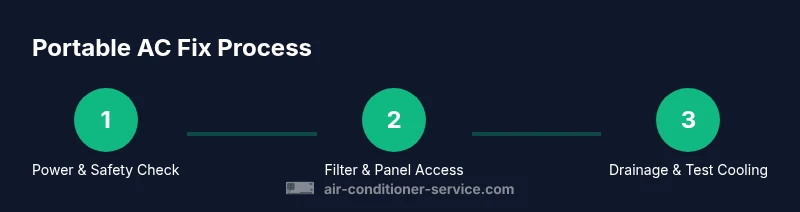
Begin with a quick external check: ensure the unit is level, the exhaust hose is free of kinks, and the window kit is sealed properly. Next, unplug, remove the front panel, and inspect the filter. If the filter is dirty, clean or replace it and test the unit again. Check the condensate drain or reservoir; empty if full and ensure hoses are clear. Finally, listen for unusual noises and feel for air temperature differences at the outlet. This method helps you quickly narrow down between airflow, drainage, and electrical concerns, guiding you toward safe DIY fixes or professional help when needed.
How to fix common issues: a practical checklist
- Dirty or clogged filter: Clean or replace and re-test. A clean filter restores airflow and cooling efficiency.
- Blocked exhaust or intake: Clear obstructions and reposition the unit for unobstructed airflow.
- Clogged condensate drain: Empty the reservoir and verify the drain hose is free of kinks or clogs.
- Dusty coils or fins: Gently brush or vacuum dust to improve heat exchange.
- Improper settings or timing: Confirm mode, temperature, and fan speed for the current environment.
- Power and circuit checks: Ensure the outlet is functioning and the plug is fully inserted; reset breakers if needed.
If these steps don’t restore cooling, the issue may lie with refrigerant leaks, compressor problems, or electrical faults that require a licensed technician. Air Conditioner Service emphasizes that addressing drainage and airflow resolves the majority of at-home fixes.
Maintenance to prevent future failures
Prevention is cheaper than repair. Establish a routine that includes monthly filter checks during heavy use, annual coil cleaning, and regular inspection of hoses and seals. Keep the unit on a level surface with adequate clearance for air intake and exhaust. Store the unit in a dry location when not in use and cover it to reduce dust buildup. A small investment in routine maintenance saves energy, reduces wear, and extends the life of your portable unit.
Replacement vs repair: when to decide
If the unit is several years old and shows persistent cooling decline despite maintenance, or if a refrigerant leak or compressor fault is detected, replacement may be more economical than repair. Compare the cost of parts and labor with the price of a new unit and consider energy efficiency improvements. Air Conditioner Service recommends evaluating the long-term energy savings and reliability when deciding between repair and replacement.
Parts and reputable sources for portable AC components
Look for manufacturer-approved parts or compatible generic components from trusted retailers. If you need to replace a filter, hose, or kit, verify model compatibility using the unit’s identification label. Keep receipts and maintenance records for warranty and resale purposes. For persistent issues that require specialized parts, seek guidance from a technician to avoid incorrect replacements or electrical hazards.
Tools & Materials
- Screwdriver set (Phillips #2 and flat-head)(Used to remove access panels and panels safely)
- Soft microfiber cloth(For gentle cleaning of panels and coils)
- Small brush or nozzle attachment for vacuum(Loosen dust from fins and coils)
- Vacuum with attachments(Helps remove dust from filters and coils)
- Replacement air filter or spare filter(Maintain airflow if the current filter is dirty)
- Mild detergent or cleaning solution(Clean exterior surfaces and removable parts)
- Bucket or tray(Optional for collecting condensate during drain checks)
- Drain hose extension or funnel(Assist drainage if the hose routing is unfavorable)
- Owner’s manual (model-specific)(Reference for model-specific maintenance)
Steps
Estimated time: 40-60 minutes
- 1
Power down and unplug
Before touching any components, switch off the unit and unplug it from the wall outlet. This protects you from electrical shock and prevents short circuits while you inspect panels or filters. If the unit is hard to reach, use a non-conductive tool to disconnect from the outlet while holding the plug, not the cord.
Tip: Always test that the outlet has no voltage with a tester before starting. - 2
Access the air path
Remove the front or side panel according to the model’s instructions to access the air path and filter. This step exposes the filter and intake area for cleaning or replacement. Keep track of screws and small parts to reassemble correctly.
Tip: Take a quick photo of the setup before disassembly to guide reassembly. - 3
Clean or replace the filter
If the filter is washable, rinse with lukewarm water and let it fully air-dry before reinstalling. If not, replace with a compatible filter. A clean filter dramatically improves airflow and cooling efficiency.
Tip: Avoid using high-pressure water; it can damage the filter media. - 4
Check condensate drainage
Inspect the condensate reservoir or drain hose for clogs. Empty the reservoir if it’s full and ensure the hose is free of kinks or obstructions. Proper drainage prevents water pooling and performance issues.
Tip: If your unit uses a collection bucket, note the fill level and empty before testing again. - 5
Clean coils and fins
Gently brush or vacuum the condenser coils and fins to remove dust that impedes heat exchange. Avoid bending fins; use a soft touch and work in a steady motion. Clean coils help restore cooling capacity.
Tip: Use a fin comb if fins are bent to straighten them without damage. - 6
Check hoses and vents
Ensure the exhaust hose is straight and free of kinks, and that venting is unobstructed. Seals should be tight to prevent warm air from re-entering the room. Reassemble only after confirming a clear path.
Tip: Re-seat the hoses on both ends to eliminate air leaks. - 7
Test the unit and observe
Plug the unit back in and set it to cooling mode. Run for 10-15 minutes and observe airflow, temperature drop, and any abnormal noises. If cooling improves, you’ve addressed the primary issue; if not, continue with professional evaluation.
Tip: Document symptoms and steps taken to share with a technician if needed.
Common Questions
Why isn’t my portable air conditioner cooling after a long period of use?
Common causes include a dirty filter, blocked exhaust hose, or insufficient drainage. Start with cleaning or replacing the filter, clearing the exhaust path, and emptying the condensate reservoir. If cooling still fails, the issue may be more complex and require a professional assessment.
Most not-cooling problems start with airflow or drainage. Try cleaning the filter and clearing the exhaust path first, then check drainage before seeking expert help.
Can I fix a portable AC if it leaks water onto the floor?
Water leaks usually indicate a full reservoir or a blocked drain. Empty the reservoir or clear the drain hose, and ensure the unit is positioned level. If leaks persist, inspect hoses for damage or seek professional help.
If you see water, first empty the reservoir and check the drain hose. If leaks continue, stop and get a professional to inspect for hose damage or drainage issues.
Is it safe to run the unit with the front panel removed?
No. Running with the panel removed exposes moving parts and electrical components. Reinstall the panel before use and only perform interior checks with the unit unplugged.
Don’t run it with the panel off. Reattach the panel after any interior inspection.
How often should I check or replace the filter?
Check the filter regularly and replace or rinse as needed. If you use the unit heavily, inspect more often; if not, follow the manufacturer’s guidance and perform maintenance at reasonable intervals.
Check the filter regularly and replace or rinse as needed. If you use it a lot, inspect more often.
When should I consider replacing rather than repairing a portable AC?
If the unit is old and shows repeated cooling decline despite maintenance, or if a refrigerant leak or compressor fault is detected, replacement may be more economical than repair. Consider energy efficiency and expected lifespan.
If it’s old and keeps failing despite maintenance, replacement might be cheaper and smarter in the long run.
Watch Video
The Essentials
- Unplug before inspection and handle panels carefully.
- A dirty filter and blocked drain are common culprits for loss of cooling.
- Clean coils and verify airflow for optimal performance.
- Test after reassembly to confirm fix, and know when to call a professional.
- Regular maintenance saves energy and extends unit life.