How to Replace the Air Conditioner: A Practical Step-by-Step Guide
Learn how to replace the air conditioner safely and efficiently. This guide covers planning, choosing the right unit, installation options, safety, and maintenance for homeowners and renters.


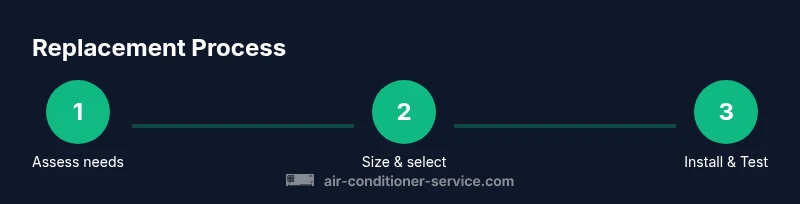
This guide helps you replace the air conditioner safely and efficiently. You’ll plan, size and select a replacement unit, prepare for installation, choose an installation path (DIY with caution or hire a pro), and establish a maintenance plan to maximize efficiency. By following these steps, homeowners and renters can approach replacement confidently, ensuring comfort and energy savings while meeting safety standards in everyday homes.
Why replace the air conditioner might be the right move for your home
Replacing the air conditioner can be a smart move when your existing unit struggles to keep you comfortable, runs constantly, or racks up frequent repair bills. Before you start, define what you want from a new system: better comfort, lower energy bills, quieter operation, and fewer service visits. According to Air Conditioner Service, evaluating long-term energy savings versus ongoing repair costs helps homeowners decide whether to replace the air conditioner. The Air Conditioner Service team found that newer, high-efficiency models can dramatically reduce energy use and provide more reliable cooling, especially in hot climates. Start by assessing your current system’s age and condition; if you notice refrigerant leaks, odd noises, or rising electricity bills, it may be time to consider replacement. A replacement also gives you the chance to address ductwork, insulation, and airflow issues that limit performance.
When you plan a replacement, consider the size of your home, climate, and your ductwork. Oversized or undersized units waste energy and fail to maintain even temperatures. A properly sized unit will cool your home more effectively and reduce short cycling. In addition, modern units offer smarter thermostats and zoning options that can cut energy use further. The goal is a balance between initial cost and long-term savings, with comfortable indoor temperatures year-round in everyday homes.
How to assess whether you should replace or repair
If your unit is old, inefficient, or requires frequent repairs, replacement often makes more sense than continuing to repair. Air Conditioner Service analysis shows that aging systems become less reliable and costlier to operate as efficiency declines. Consider the cumulative cost of repairs versus the price of a new unit with better efficiency. Keep a repair log and compare the latest repair bill to a quote for a replacement unit installed with a modern SEER rating. Also consider energy bills and comfort; a new unit can improve cooling consistency and reduce humidity more effectively. If you’re unsure, obtain a professional load calculation (manual J) and a climate-appropriate system recommendation.
Next, evaluate non-electrical barriers: duct leaks, poor insulation, and thermostat placement can undermine replacement efficiency. If duct sealing and insulation improvements are needed, factor them into the cost and timeline. Finally, decide whether to replace now or to wait for a favorable season or a sale.
Budgeting and cost considerations for replacement
Replacing the air conditioner is a significant investment, but long-term energy savings and improved comfort can make it worthwhile. Start with a high-level budget: hardware costs, labor, permits, and any ductwork adjustments. Energy efficiency and system features like variable-speed fans and smart thermostats influence upfront price, as do duct sealing and zoning options. While prices vary by region and system type, plan for a realistic range and obtain multiple quotes. Ask contractors to detail what’s included in the price: equipment, refrigerant, disposal of the old unit, and any required electrical work. Financing options or utility rebates can help offset costs, so check local programs. Also, factor in ongoing maintenance costs; a replacement typically requires annual service to maintain efficiency.
Finally, compare the total cost of ownership: upfront payment plus annual energy savings, maintenance, and potential warranty coverage. Remember that improper installation can erase savings, so choose a reputable installer and ensure the quote includes a future check-in schedule.
Selecting the right replacement unit for your home
Choosing the right replacement unit means aligning cooling capacity with your home, climate, and ductwork. Start by ensuring the new outdoor unit is appropriately sized for your heat load and that indoor components are compatible with the outdoor equipment. Focus on efficiency ratings (SEER and EER) and consider inverter-driven models for smoother operation and quieter performance. Take into account refrigerant type and availability, as some older homes may require refrigerant retrofits. Ductwork should be checked and sealed if leaks exist; even a premium unit loses efficiency through leaky ducts. Warranty terms, service network, and the availability of local parts matter just as much as price. If you’re replacing both the outdoor unit and indoor coil, ensure the two are matched for optimal performance. Finally, factor in thermostat options, zoning possibilities, and compatibility with smart home controls. A well-chosen system delivers comfortable temperatures with lower noise and better humidity control.
Air Conditioner Service analysis shows that upgrading to a higher-efficiency system with a better SEER rating can lead to significant energy savings over the life of the equipment, especially in hot climates. This is why sizing and planned installation are as important as the initial purchase price, so take your time to compare models and read product reviews from trusted sources.
Installation paths: DIY vs professional, permits, and safety
Replacement work involves electrical connections, refrigerant handling, and precise refrigerant charge. For most homeowners, hiring a licensed HVAC contractor is the safest and most reliable path, ensuring compliance with local codes and warranty requirements. If you pursue a DIY approach, you must understand the risks: electrical shock, refrigerant handling risks, and the possibility of improper refrigerant charge that can damage the compressor. Before starting, check whether permits are required in your area and whether the installation requires a service disconnect and electrical upgrades. Ensure you have the proper tools, a clean workspace, and a plan for disposing of the old unit. During installation, maintain clear access around the outdoor unit and indoor components; proper airflow and clearance matter for performance.
After installation, the system must be evacuated and charged with refrigerant, sealed, and tested for leaks. Verify thermostat wiring, test cooling performance, and ensure the condensate line drains properly. Schedule a follow-up safety check and preventive maintenance visit to maximize efficiency and extend equipment life. Finally, document warranty registrations and keep receipts for future service.
Tools & Materials
- New outdoor condensing unit (replacement)(Size to match cooling load; confirm compatibility with indoor components.)
- Indoor air handler/evaporator coil (if applicable)(Coordinate with outdoor unit; some systems share coil.)
- Copper refrigerant line set(Insulated lines; sized for the chosen system.)
- Electrical disconnect switch and appropriate breaker(Shut off power before any work; ensure panel capacity.)
- Thermostat (programmable or smart) and wiring kit(Update to compatible model for efficiency gains.)
- Duct sealing materials (mastic or foil tape)(Optional if you discover duct leaks during inspection.)
- Vacuum pump and manifold gauge set(Needed for system evacuation and pressure checks.)
- Safety gear (gloves, eye protection, respirator)(Personal protective equipment for refrigerant and electrical work.)
Steps
Estimated time: 4-8 hours
- 1
Assess cooling needs and size the new unit
Begin with a room-by-room heat load assessment and confirm the replacement unit size matches the home's cooling requirement. A mis-sized unit harms comfort and increases energy use. Use a Manual J calculation or trusted contractor guidance to determine proper tonnage and SEER range.
Tip: Accurately sizing prevents short cycling and ensures even cooling. - 2
Check electrical capacity and panel readiness
Inspect the existing electrical service and panel to confirm it can support a new, higher-capacity system. If upgrades are needed, plan them before installation to avoid delays. Turn off power at the main panel before touching wires.
Tip: A licensed electrician can quickly verify panel capacity and code compliance. - 3
Select system type and SEER rating
Choose a replacement that balances initial cost with long-term energy savings. Higher SEER ratings improve efficiency but come with higher upfront costs; consider climate and utility rebates when deciding.
Tip: Ask about inverter-driven or variable-speed options for quieter, steadier cooling. - 4
Plan permits and installation path
Determine if local permits are required and whether installation should be performed by a licensed pro. Scheduling a professional installation often ensures warranty validity and code compliance.
Tip: Get a written contract detailing equipment, labor, and cleanup. - 5
Prepare installation site and ductwork
Clear the pad area, ensure level mounting, and inspect nearby ductwork for leaks or damage. Seal ducts if needed to maximize efficiency between indoor and outdoor components.
Tip: Label ducts and keep a parts inventory to simplify future maintenance. - 6
Remove old equipment and prep connections
Safely disconnect power, recover refrigerant per local regulations, and detach the old unit. Cap refrigerant lines to prevent contamination if you’re not replacing components immediately.
Tip: Avoid rushing; improper handling can cause leaks or injury. - 7
Install the new outdoor unit and indoor coil
Place the new unit on the pad, connect refrigerant lines with proper insulation, and attach the indoor coil as required by the system. Route and insulate lines to prevent condensation and energy loss.
Tip: Follow manufacturer torque specs to prevent leaks at flare connections. - 8
Vacuum, charge, and test the system
Evacuate the system to remove air and moisture, then charge with the correct refrigerant amount and verify no leaks. Run a full functional test, check thermostat control, and confirm proper drainage and airflow.
Tip: Use a manifold gauge and leak detectors; a small leak undermines efficiency. - 9
Finalize maintenance plan and assign warranties
Register equipment warranties, schedule a follow-up inspection, and set a routine maintenance calendar for air filters, coil cleaning, and duct checks.
Tip: Document serial numbers and service dates for warranty claims.
Common Questions
Why replace the air conditioner instead of repairing it?
If repairs are frequent or the unit is aging, replacement often saves money and improves comfort. New models offer better efficiency and reliability.
If your unit is old or keeps breaking down, replacement is usually the smarter choice for long-term comfort and energy savings.
How long does replacement take with a licensed contractor?
Most installations can be completed within a day, depending on the home's layout and ductwork.
Most installations take about a day with a licensed contractor, assuming typical ductwork and permit processing are straightforward.
Can I replace the air conditioner myself?
Replacing an AC involves electrical work and refrigerant handling, which are best left to a licensed professional to ensure safety and warranty validity.
It's generally not recommended to replace an air conditioner yourself due to electrical and refrigerant risks.
What factors influence replacement costs?
Costs vary with unit size, efficiency (SEER), ductwork needs, and installation complexity. Obtain multiple quotes and ask for itemized breakdowns.
Costs depend on size, efficiency, duct and installation complexity—get several detailed quotes.
What maintenance should follow replacement?
Schedule regular professional service, change filters, inspect duct connections, and keep the condensate drain clear.
Plan annual checkups, keep filters clean, and watch for any airflow changes.
How do I know if I chose the right unit?
Ensure the unit matches your cooling load, climate, and ductwork; verify warranty coverage and local service availability.
Make sure the unit fits your home and climate, with good warranty and service support.
Watch Video
The Essentials
- Assess replacement vs repair before buying.
- Choose a higher-efficiency unit aligned with climate.
- Hire a licensed installer for safety and reliability.
- Plan permits, ductwork, and warranties early.