How to Install Air Conditioner: Step-by-Step Guide
Learn how to install an air conditioner safely and efficiently with our step-by-step guide. From selecting the right unit to mounting, sealing, venting, and testing, practical tips for homeowners and renters.


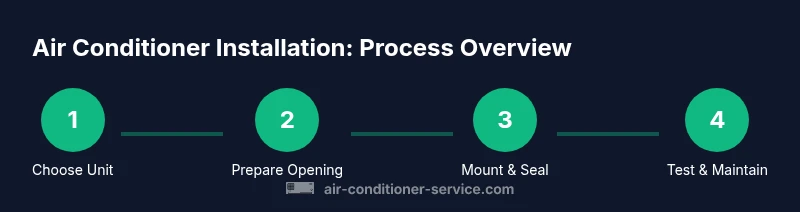
Install an air conditioner by sizing, mounting, sealing, and safe electrical connections. This guide covers window and through-wall setups, proper drainage, and testing. Central systems or refrigerant work should be handled by a licensed professional when required.
Before You Start: Safety, Codes, and Sizing
Installing an air conditioner starts with safety, compliance, and correct sizing. Always work with the right tools and follow local building codes. The first step is to confirm the unit size matches the room and opening. Size too small and the space won’t cool efficiently; size too large and you may create humidity and short cycling. Check the unit's BTU rating and compare it to the room's square footage.
According to Air Conditioner Service, proper sizing hinges on accurate room measurements, insulation, and airflow. Start by measuring the length and width of the room, then calculate BTU needs using a trusted sizing chart. Consider ceiling height, sun exposure, and any shading effects from nearby walls or trees. If you are unsure, use a professional assessment to avoid costly mistakes.
Also review local permits or homeowners association rules. Some installations may require a permit or inspection, especially for through-wall or central systems. When in doubt, contact your local building department to clarify requirements. This early planning reduces delays and ensures you have the right equipment for reliable cooling.
Choosing the Right Unit and Location
Selecting the right unit sets the foundation for comfort and efficiency. For window units, ensure the opening is tall enough, wide enough, and free of obstructions that could block airflow. For through-wall installations, verify wall structural integrity and obtain a clearance from the outside environment. Air conditioners come in window, through-wall, and portable variants; each has different mounting, venting, and drainage requirements. Energy efficiency should be a priority; look for ENERGY STAR labeled models and correct SEER/EER ratings for your climate.
Air Conditioner Service analysis shows that units sized to room needs and installed with airtight seals reduce energy waste by significant margins. Plan for proper drainage to prevent water backflow and mold; a poorly sealed gap wastes cold air and invites pests. When possible, place the unit away from direct sunlight and obstructions that hinder exhaust. If you live in a multi-room home, consider a split system or multiple smaller units rather than a single oversized unit. Ensure you have a stable, level surface for mounting, as tilting can degrade performance and drain efficiency.
Tools, Materials, and Preparations
Gather the tools and materials before you begin to avoid mid-project trips. Essential items include the air conditioner unit (window or through-wall), mounting kit, screws, a level, tape measure, drill and bits, screwdriver set, caulk or foam sealant, foam insulation strips, duct tape or foil tape, a non contact voltage tester, and an appropriate electrical disconnect or circuit breaker. For central or advanced installations, you may need a dedicated circuit, wire nuts, and a conduit kit. Optional items like a vacuum pump, refrigerant line set gauge, and a battery-powered saw may speed up the job but require specialized skills. Prepare a clean workspace and a drop cloth for debris. Having a helper can also simplify heavy lifting and alignment.
Mounting the Unit: Brackets, Bracing, and Drainage
Mounting requires a stable, level surface and secure brackets. Start by marking the window or wall opening and assembling the mounting kit according to the manufacturer instructions. Use a level to verify the mounting surface is perfectly horizontal; a slight tilt can cause improper drainage and increased noise. Attach the brackets to the window frame or wall studs, using the appropriate screws and washers. When mounting through-wall units, create a drainage path that directs condensate to an exterior drain or outside, preventing leaks inside. Seal around the unit with foam insulation to minimize air leakage while still allowing for expansion and contraction due to temperature changes.
Electrical Connections and Power Safety
Electrical work is hazardous. Ensure the opening is de-energized before you begin any wiring. If your unit requires a 120V outlet, verify the circuit can handle the extra load and that you have a dedicated circuit with proper grounding. For 230V central or window units, you may need a licensed electrician and a disconnect switch or properly wired junction box. Use a non contact voltage tester to confirm no power is present, and never work with exposed conductors. Route wiring through approved conduits and avoid pinching lines during mounting. After wiring, attach the power cord or hardwired connection per the manufacturer instruction, and test the supply using the unit’s built-in test function.
Sealing, Insulation, and Venting
Seal all gaps between the unit and the opening to prevent cold air leakage. Use foam sealant around the exterior edges and install foam insulation strips where needed to maintain efficiency. Ensure the venting path is clear and unobstructed, directing warm exhaust outside. Do not vent into attics or closed spaces; improper venting can cause moisture and mold. If you have a window unit, keep the window frame secure and use temporary shims to stabilize the sash until you install the final trim. Always follow the manufacturer recommendations for venting positions.
Testing, Troubleshooting, and Maintenance
With the unit installed, perform a careful test: power on, set temperature, listen for abnormal noises, and verify airflow. Check for water leaks around seals and confirm condensate is draining properly. If you notice insufficient cooling, re-check seals and ensure the unit is level. Inspect the refrigerant lines for any signs of oil or corrosion—do not attempt to recharge refrigerant yourself; only a certified technician should handle refrigerant. Schedule regular maintenance: clean or replace filters every 1-3 months, inspect the condensate drain, and clear any debris around the outdoor compressor. Document the model, serial number, and installation date for future service.
When to Call a Pro and Common Pitfalls
If you encounter electrical trouble, suspect refrigerant leaks, or plan a central or through-wall installation, contact a licensed HVAC professional. Even seemingly simple tasks can become risky if you lack the right tools or knowledge. Common pitfalls include choosing incorrect unit size, poor drainage, improper sealing, and neglecting safety codes. Do not rush the job; taking time to plan, measure, and verify connections reduces post-installation calls. Air Conditioner Service's verdict is that a professional review at key milestones ensures safety, code compliance, and optimal performance.
Tools & Materials
- Air conditioner unit (window or through-wall)(Size to room and opening)
- Mounting kit/brackets(As provided by unit or manufacturer)
- Screws and washers(Appropriate for studs or frame)
- Level(Ensure a perfectly horizontal setup)
- Tape measure(Measure opening and clearances)
- Drill and bits(For mounting brackets and frame)
- Screwdriver set(Flat and Phillips heads)
- Caulk or foam sealant(Seal exterior gaps)
- Foam insulation strips(Fill gaps around edges)
- Duct tape or foil tape(Sealing and duct management)
- Non-contact voltage tester(Check power before wiring)
- Electrical disconnect box or dedicated circuit(Meet local codes for service)
- Conduit kit and wiring nuts(Optional for central or complex installs)
- Vacuum pump/refrigerant gauges(Optional; refrigerant handling requires license)
Steps
Estimated time: 2-5 hours
- 1
Verify unit size and opening
Confirm the unit matches the room size and opening dimensions. This reduces the risk of inefficiency or installation gaps. Check the BTU rating and compare with room requirements.
Tip: Double-check outside dimensions and ensure clearance for venting and drainage. - 2
Gather tools and prepare workspace
Collect all tools and materials before starting to avoid mid-project trips. Clear the area and lay down a protective drop cloth.
Tip: Have a helper ready for lifting and aligning the unit. - 3
Mark and prepare the mounting area
Mark the bracket locations on the opening frame or wall. Ensure studs or frame backing are solid and capable of supporting the unit's weight.
Tip: Use a level to confirm horizontal alignment before drilling. - 4
Install mounting brackets and brackets alignment
Attach brackets according to manufacturer instructions and verify alignment with the unit's slots. Tighten screws evenly to prevent binding during insertion.
Tip: If mounting through-wall, plan a drainage path and tamper-proof seal. - 5
Insert and secure the unit
Slide the unit into the opening and align with brackets. Secure with screws, checking for level and stability as you go.
Tip: Keep the unit slightly angled downward to aid drainage during initial run. - 6
Seal gaps and insulate edges
Apply foam sealant around exterior edges and insulate around the unit to prevent air leakage and moisture intrusion.
Tip: Avoid overfilling sealant; allow for expansion with temperature changes. - 7
Handle electrical connections safely
Ensure power is off before wiring. Connect to a grounded outlet or dedicated circuit as required by the unit and local codes. Use a non-contact tester to verify power is off before touching conductors.
Tip: If in doubt, hire a licensed electrician for the electrical work. - 8
Test operation and finalize drainage
Power on the unit, set to cool, and observe airflow, noise, and condensate drainage. Check for leaks at seals and ensure condensate is draining away from the interior.
Tip: Record the installation date and model for future service, and schedule routine maintenance.
Common Questions
Do I need a permit to install a window air conditioner?
Most window or through-wall installations do not require a permit, but local codes vary. Check with your city or HOA to confirm if a permit or inspection is needed.
Check with local authorities; many window installations don’t need a permit, but rules vary by location.
Can I install a central air conditioner myself?
Central air installation involves complex electrical, refrigerant, and ductwork tasks. It is generally not a DIY job; hire a licensed HVAC professional for safety and code compliance.
Central AC installation usually requires a professional due to electrical and refrigerant work.
What size air conditioner should I get for a room?
Size depends on room square footage, insulation, and climate. Use a BTU calculator or chart and consider ceiling height and sun exposure for accurate sizing.
Use a BTU calculator and account for room conditions to pick the right size.
Is it okay to vent a window unit into an attic?
No. Venting into an attic can cause moisture buildup, mold, and damaging heat buildup. Always vent outdoors or to an appropriate drainage path.
Do not vent into an attic; vent outside to avoid moisture problems.
How long does installation take?
For a standard window unit, plan several hours depending on opening size and your experience. Complex through-wall installations may take longer and could require permits.
Most window unit installs take several hours; central or through-wall work may take longer.
Watch Video
The Essentials
- Choose the right unit size for the room and opening.
- Mount securely, seal gaps, and ensure proper drainage.
- Prioritize electrical safety and local codes.
- Refrigerant work requires a licensed professional.
- Test operation and schedule regular maintenance.