How to Use Air Conditioner Effectively: A Practical Guide
Discover practical, step-by-step methods to maximize comfort and energy savings. Learn modes, thermostat strategies, maintenance, and room-by-room tips for homeowners and renters.


Learn how to use your air conditioner effectively to stay comfortable, cut energy costs, and extend your unit’s life. This guide covers practical settings, routine maintenance, and room-by-room strategies for homeowners and renters. You’ll discover which modes to use, how to optimize fan speed, how to program schedules, and simple habits that prevent waste and drafts.
Why using your air conditioner effectively matters
In modern homes, cooling is a major energy draw. How to use air conditioner effectively isn't just about keeping the room cool; it's about maximizing comfort while minimizing waste. According to Air Conditioner Service, efficient cooling can reduce energy bills and extend equipment life by avoiding unnecessary cycling. This is more than a technical concern—it's about predictable comfort, lower bills, and longer equipment life. This section lays the groundwork for practical actions you can implement this weekend, from checking filters to optimizing thermostat use. By adopting a structured approach, you avoid common mistakes like running the system at full power in empty rooms or relying on single-room fans. The goal is steady comfort that adapts to sun exposure, occupancy, and airflow opportunities throughout your home.
How cooling modes work and when to use them
Most air conditioners provide several operating modes, including Cool, Auto, Energy Saver, and Fan. Understanding when to use each can save energy without sacrificing comfort. Auto mode lets the system cycle between cooling and fan only as needed, which typically reduces wear and electricity use. Cool mode provides direct control over temperature, but can waste energy if kept too cold. Energy Saver or Eco modes reduce compressor effort and are useful when you’re away or during milder days. Fan mode circulates air without cooling, which can help with air distribution in sleeping areas. Air Conditioner Service Team notes that selecting the right mode for occupancy and outdoor conditions is a simple lever to improve efficiency while keeping rooms comfortable.
The right thermostat strategy for comfort and efficiency
A programmable or smart thermostat is a cornerstone of effective AC use. Set a consistent cooling range during occupied hours and allow gradual adjustments when you’re away. Use scheduling features to pre-cool rooms before you return home, then let the thermostat drift slightly when the space is unoccupied. Maintaining stable setpoints reduces rapid compressor cycling and improves overall efficiency. The Air Conditioner Service Team emphasizes that predictable temperatures help the system run smarter, not harder, providing steady comfort with fewer spikes in energy use.
Maintaining airflow through filters and vents
Air filters, supply vents, and return vents all influence cooling efficiency. A dirty filter increases resistance, forcing the blower to work harder and raising energy use. Check and replace filters on a regular schedule, typically every 1–3 months depending on usage and filter type. Vacuum or gently wipe dust from supply and return vents to keep airflow unobstructed. This maintenance is quick, inexpensive, and one of the most effective ways to sustain cooling efficiency over the life of the system.
Reducing heat gain: shading, sealing, and layout
Heat gain from sunlight and leaks can erode cooling efficiency quickly. Use curtains or blinds on sun-facing windows during peak heat to cut indoor heat gain. Ensure doors and windows seal well; weather strips or door sweeps can prevent warm air from sneaking in. Consider rearranging furniture to improve airflow and avoid blocking vents. Small changes—like reflective window film on east- or west-facing windows—can make a big difference in how hard the AC has to work.
Room-by-room cooling and zoning ideas
If your home supports it, zone cooling with dampers or a multi-zone system can dramatically improve efficiency by cooling only occupied spaces. Where zoning isn’t available, use portable fans to help distribute cooled air and reduce the need for the thermostat to run relentlessly in unused rooms. Ceiling fans can enhance perceived comfort at higher thermostat settings, letting you stay cooler with less energy use. For renters or smaller homes, target cooling to the primary living areas during peak heat and close off or limit cooling in rarely used spaces.
Seasonal maintenance and long-term care
Seasonal maintenance helps sustain performance and efficiency year after year. Clean outdoor condenser fins and remove debris around the unit to ensure proper airflow. Schedule professional inspection and coil cleaning at least once per year if your system allows. Keep the condensate drain clear to prevent water damage and mold growth that can indirectly affect efficiency. A little proactive care now reduces major repairs later and keeps your system operating closer to its design efficiency.
Troubleshooting common efficiency problems
If you notice reduced cooling, check for common issues first: dirty filters, blocked vents, a dirty outdoor condenser, or an incorrect thermostat setting. Listen for unusual noises that may indicate loose components or motor wear. Check for refrigerant leaks only with proper equipment and training; do not attempt DIY refrigerant handling. When in doubt, consult a qualified HVAC technician to identify hidden problems, because unresolved issues can drain energy and shorten equipment life.
Renters and small spaces: practical tweaks
Renters and small spaces benefit from compact, targeted approaches. Use a programmable thermostat to pre-cool before you’re home, then raise the temperature slightly during absences. Block sunlight with curtains during peak hours and consider a small, room-appropriate fan to help distribute cooled air. Keep blinds closed on hot days and ensure you’re not cooling unoccupied rooms. Lightweight window coverings and strategic placement of fans can yield noticeable comfort gains with minimal investment.
Create a simple weekly routine for efficient cooling
Develop a gentle routine that combines filter checks, vent cleaning, thermostat schedule verification, and a quick outdoor condenser sweep. Dedicate a 15–20 minute weekly window to these tasks so they stay manageable. Your routine should align with changes in season, daylight hours, and occupancy patterns. A consistent habit helps maintain comfort and energy efficiency with minimal effort.
Tools & Materials
- Programmable or smart thermostat(Wi-Fi enabled is preferred for scheduling and remote adjustments)
- Replacement air filters(MERV-8 to MERV-13 depending on system and allergies)
- Vent and duct cleaning tools(Vacuum with hose attachment; used for light cleaning if accessible)
- Weather-stripping or door sweeps(Seal gaps around doors/windows to reduce heat intrusion)
- Window coverings or sun-control film(Reduces heat gain from sun-facing windows)
- Ceiling/floor fans(Assist air distribution; improves comfort at higher thermostat settings)
- Basic HVAC owner’s manual(Refer to manufacturer guidelines for system-specific care)
- Energy monitor or smart plug (optional)(Track appliance energy usage for awareness)
Steps
Estimated time: 60-90 minutes
- 1
Inspect and replace the air filter
Turn off the system and remove the filter. Check for visible dirt and replace if dirty, ensuring correct size and orientation. Reinstall securely to prevent air bypass.
Tip: Clean or replace filters at the start of each cooling season and mid-season if you have pets or heavy dust. - 2
Clean accessible coils and vents
Gently brush or vacuum the indoor evaporator coil and clear nearby vents of dust. Ensure outdoor condenser area is free of debris for clean airflow. Do not bend fins; if bent, use a fin comb carefully.
Tip: A clean coil improves heat transfer and reduces energy use by reducing compressor workload. - 3
Check thermostat settings and connectivity
Verify thermostat is set to cool and confirm it is communicating with the HVAC system. Replace batteries if needed and ensure schedule rules are saved. Consider connecting a smart thermostat for more flexible control.
Tip: Ensure the thermostat location isn't shaded by sun or near a heat source that skews readings. - 4
Create a cooling schedule
Program daily times for pre-cooling before arrival and gradual adjustments during the day. Pair schedules with occupancy to reduce wasted cooling when rooms are empty.
Tip: A modest setback when away keeps energy use low without sacrificing comfort upon return. - 5
Use Auto mode for best efficiency
Set the system to Auto so the compressor cycles match cooling needs rather than running continuously. Auto helps control temperature swings and reduces wear.
Tip: If the space is consistently too cold or too warm, adjust the target setpoint by 1–2 degrees first before changing modes long-term. - 6
Tune fan settings for comfort
Allow a slight fan setting to circulate air without exhausting the compressor. For hot bedrooms, a ceiling fan can boost comfort while maintaining a higher thermostat setting.
Tip: A steady airflow can make a higher temperature feel cooler due to increased evaporation on the skin. - 7
Improve airflow and reduce obstructions
Ensure furniture and drapes do not block vents and that intake is free from clutter. Use nearby ceiling or portable fans to help move air more evenly.
Tip: Even a small air gap around vents can markedly improve distribution. - 8
Control heat gain with shading
Close blinds or curtains on sunlit windows during peak heat. Consider reflective films for windows that receive intense sun.
Tip: Combine shading with outdoor vegetation if possible for a longer-term heat reduction effect. - 9
Consider zoning or targeted cooling
If your system supports zoning, direct more cooling to frequently used spaces and reduce in others. If not, prioritize living areas with fans to distribute air.
Tip: Zoning can dramatically cut energy use in larger homes with separate living zones. - 10
Plan for seasonal maintenance
Schedule a professional inspection and coil cleaning annually or as recommended by your owner’s manual. Keep condensate lines clear and check for leaks or unusual sounds.
Tip: Annual maintenance often prevents larger, costlier repairs later. - 11
Address common efficiency blockers
If cooling seems weak, check for dirty filters, blocked vents, and debris near the outdoor unit. Seek professional help for refrigerant or compressor issues.
Tip: Document symptoms so technicians can diagnose faster when service is needed. - 12
Reset routines and monitor impact
Review energy bills and comfort levels after implementing changes. Adjust schedules and setpoints based on real results and season shifts.
Tip: Small, incremental changes compound over a season.
Common Questions
What is the most energy-efficient setting for cooling?
Energy efficiency is achieved by balancing comfort with minimal compressor cycling. Use Auto mode when possible and aim for a stable setpoint during occupancy. Slightly higher temperatures can still feel comfortable with proper airflow and shading.
To stay energy efficient, use Auto mode and keep a steady, comfortable temperature with good airflow.
How often should I replace the air filter?
Replace or clean filters every 1–3 months depending on usage, pets, and dust levels. A clean filter improves airflow and reduces energy use.
Check your filter every month; replace or clean as needed to keep airflow steady.
Can I run the AC with the windows open?
Running the AC with open windows defeats most of the energy savings. If you must ventilate, use a controlled method like a timer or exhaust fan to limit wasted cooling.
No—keep windows closed when the AC is active to avoid wasted energy.
Do smart thermostats make a big difference?
Smart thermostats can learn occupancy patterns and optimize schedules, reducing energy use while keeping rooms comfortable. They also enable remote adjustments for unforeseen changes.
Yes, a smart thermostat helps automate comfort and cut energy use.
Is it better to keep a constant temperature or vary it?
A moderate, steady temperature with occasional small adjustments is typically best. Drastic changes cause more compressor cycling and energy use.
Keep a steady, comfortable temperature and adjust modestly as needed.
Why does humidity still feel high after cooling?
Cooling air doesn't always remove humidity effectively. In humid climates, consider a dehumidifier or an AC with good dehumidification performance, and ensure proper airflow.
If humidity remains high, dehumidification or rebalancing airflow can help.
Watch Video
The Essentials
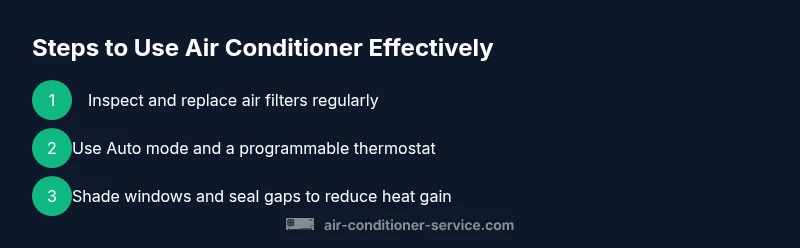
- Start with clean filters to maximize efficiency.
- Use Auto mode and a programmable thermostat for steady comfort and savings.
- Block heat gain with shading and sealing for lasting efficiency.
- Implement a simple weekly routine to maintain performance.