How to Use Air Conditioner in Winter: A Practical Guide
Learn practical steps to use your air conditioner in winter, improve humidity control, and save energy with winter-friendly settings and maintenance tips for homeowners and renters.


Learn how to safely use your air conditioner in winter to stay comfortable, save energy, and prevent moisture damage. This guide covers winter-friendly modes, temperature ranges, seasonal maintenance, and practical tips for both split systems and window units. We’ll explain when to heat with the AC, how to adjust fan speed, the importance of sealing, and common mistakes to avoid.
Why Use Air Conditioner in Winter
In many homes, winter is a time when humidity and dampness can creep in, leaving windows foggy and rooms feeling muggy. The question isn’t simply whether to run the air conditioner in cold weather, but how to use it safely to manage humidity, improve comfort, and avoid unnecessary energy waste. According to Air Conditioner Service, winter use should be purposeful rather than routine, focusing on dehumidification, ventilation, and, when available, heating via heat-pump modes. If you own a heat pump, the same outdoor unit shifts to heating mode with the indoor comfort settings optimized for lower outdoor temperatures. For cooling-only units, winter use is typically limited to dehumidification or air exchange, not prolonged cooling. The key is to respect your system’s rated operating range, protect it from ice buildup, and pair usage with proper insulation and sealing. This foundation helps you stay warm and dry without driving up bills.
Understanding Winter Modes and Why They Help
Winter modes on air conditioners are designed to balance comfort with efficiency. In heat pumps, the heating mode uses the same components as cooling but operates in reverse to convert outside heat into indoor warmth. Many units offer a dry or dehumidify setting that reduces humidity without producing a strong heat load, which can improve comfort in damp spaces. Some systems provide an energy-saving or auto mode that adjusts fan speed and compressor activity based on room conditions. Understanding these modes helps you select the right setting for a given day: a mildly cool morning may benefit from a low fan with auto mode, while humid, misty days respond well to a dedicated dehumidification cycle. Always reference your model’s manual for mode availability and limitations. Air Conditioner Service emphasizes choosing modes that align with energy goals and comfort needs, avoiding aggressive cooling when outdoor temperatures are near or below freezing.
How to Set Temperature and Fan Settings for Winter Comfort
The goal in winter is steady comfort, not rapid temperature swings. Start with a conservative indoor target of roughly 68–72°F (20–22°C) and adjust in 1–2 degree increments. Use the auto fan setting to let the system modulate airflow, which helps prevent unnecessary cycling and heat loss through ducts. If your unit supports a dry or dehumidify mode, enable it on damp days to reduce condensation on windows and surfaces. For heat pump setups, keep outdoor temperatures in the operating range recommended by the manufacturer and avoid using cooling modes that fight natural indoor heating. Regularly check that vents aren’t blocked by furniture, curtains, or clutter, as blocked airflow negates any efficiency gains. Remember: small, gradual adjustments outperform large, sudden changes for winter comfort.
Humidity Management: Dehumidification vs Heating
Humidity control becomes essential in winter because cold air holds less moisture, but indoor activities can raise humidity quickly from cooking, showers, and drying clothes. Dehumidification modes help reduce moisture without cranking up the heat, which can improve comfort and reduce fog on windows. If you rely on the air conditioner for heat, ensure the system is not over-drying the air, which can cause dry skin and throat irritation. In heat pump configurations, the condensation and moisture handling are managed by the same system; keeping a mild, moderate humidity level (often around 40–50%) can feel warmer even at a lower temperature. Use a hygrometer to monitor humidity and adjust settings accordingly. Air Conditioner Service recommends pairing dehumidification with proper insulation to maximize comfort without excessive energy use.
Maintenance Before Winter: Filters, Coils, Drains
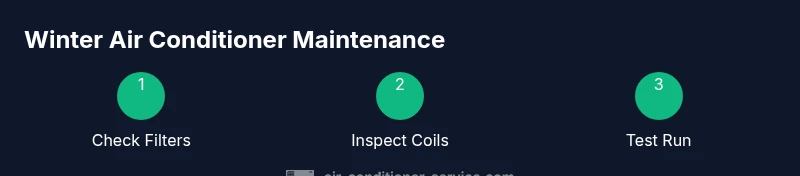
Starting winter with clean components helps your AC perform better and last longer. Replace or wash air filters to ensure clear airflow, and inspect indoor and outdoor coils for dust and debris. A clean coil improves heat transfer and reduces strain on the compressor. Check the condensate drain line for blockages to prevent water backups that could damage floors or promote mold growth. Keep the outdoor unit clear of leaves, snow, ice, and debris, and ensure there’s adequate clearance around the unit for proper airflow. Use a soft brush and vacuum to remove dirt, and wipe down accessible surfaces with a damp cloth. Air Conditioner Service emphasizes that a quick pre-winter check can prevent costly breakdowns and improve efficiency all season.
Safety Considerations for Winter Operation
Electrical safety is paramount when operating any heating-related device in winter. Before powering up, verify that outdoor wires and disconnects are dry and free of ice. Do not bypass safety switches or attempts to bypass the thermostat. If you hear unusual noises, smell burning, or notice excessive vibration, turn the unit off and seek professional service. Avoid using the AC outdoors during snowstorms or when there’s standing water nearby, as moisture and electricity are a dangerous combination. Ensure cords and external components are in good condition and rated for your unit’s electrical requirements. When in doubt, consult a licensed technician for a safety assessment.
Troubleshooting Common Winter Issues
Ice buildup on outdoor coils is a common winter problem; if you notice frost, switch to a defrost cycle if your unit offers one, or revert to a heating mode to melt the ice gradually. Condensation on windows indicates humidity that needs management; reduce humidity or increase airflow to improve comfort. If the unit runs continuously without achieving setpoint, check for dirty filters, blocked vents, or a malfunctioning thermostat sensor. Unusual noises or leaks should prompt an immediate service call. Air Conditioner Service recommends documenting issues, noting outdoor temperature, indoor humidity, and any error codes to aid troubleshooting.
Budgeting and Energy Savings: Practical Tips
Winter operation can be efficient if you optimize settings and maintenance. Use a moderate thermostat setting and take advantage of auto mode to reduce energy expenditure. Dehumidification can sometimes improve comfort at a slightly lower temperature than heating alone, potentially saving energy. Keep doors and windows well-sealed to prevent heat loss, and consider adding weather stripping or caulking around frames. Schedule professional tune-ups annually and replace filters monthly during heavy use periods. Small habits, like running the unit only where needed and using ceiling fans to distribute warm air, add up to meaningful savings over the season.
Seasonal Use Scenarios: Small Apartments vs Large Homes
In small apartments, a compact unit or window AC can effectively manage humidity and air exchange without dominating your living space. The key is to prevent mold by ensuring adequate ventilation during cooking and showers. In larger homes, distribute a few well-placed zones and use programmable thermostats to maintain comfort efficiently. Consider a dedicated winter mode for zones that remain problematic, and avoid running multiple zones at full power simultaneously. The main principle is to align usage with occupancy patterns and insulation quality while respecting the system’s rated capabilities.
What Not to Do: Mistakes to Avoid
Avoid relying on a cooling mode during cold weather, as it wastes energy and can strain components. Do not block outdoor vents with snow or debris, and never operate the unit with frozen coils. Do not turn the thermostat to extremely high temperatures in an attempt to heat quickly; this creates uncomfortable swings and higher energy costs. Lastly, never ignore unusual noises, odor, or water leaks—these can indicate mechanical or electrical issues that require professional attention.
Putting It All Together: Your Winter-Ready Plan
Create a simple, repeatable routine to prepare your AC for winter and keep it running smoothly. Start with a quick pre-winter check: replace filters, inspect the outdoor unit, clear debris, and test all functions. Set a winter-friendly thermostat target, enable dehumidification on damp days, and use the auto fan setting to optimize airflow. Schedule an annual professional inspection for optimal efficiency and safety. With a proactive approach, you’ll enjoy a comfortable home, lower humidity, and more predictable energy costs throughout the season.
Tools & Materials
- Owner's manual(Keep for model-specific guidance)
- Replacement air filters(Have on hand for replacement during winter months)
- Vacuum with narrow nozzle(Clear dust from vents, grills, and outdoor unit as needed)
- Microfiber cloth(Wipe surfaces and dry condensate)
- Soft brush(Loosen debris from coils and outdoor fins)
- Screwdriver set(Access panels if needed for maintenance)
- Multimeter(Only if diagnosing electrical components)
- Thermometer / hygrometer(Monitor temperature and humidity)
- Approved coil cleaner(Light, non-corrosive cleaner for coils)
- Gloves and safety glasses(Personal protective equipment)
Steps
Estimated time: 60-90 minutes
- 1
Power down and prepare
Turn off the unit at the main breaker and, if possible, unplug the indoor thermostat or disconnect switch. This prevents accidental startup while you’re inspecting components. Verify power is truly off with a non-contact tester before touching any electrical terminals.
Tip: Always lock out power at the breaker to avoid accidental restart. - 2
Inspect outdoor unit and surrounding area
Clear leaves, snow, and ice from the outdoor condenser. Check for build-up of dirt or debris that could impede airflow. If ice is present, allow it to melt naturally or use the defrost function if your unit supports it.
Tip: Maintain at least 12 inches of clearance around the unit for proper airflow. - 3
Check and replace air filters
Remove the indoor air filter and inspect for dirt. Replace if dirty or clogged; a clean filter improves airflow and efficiency. If you have multiple filters, rotate or clean reusable ones as recommended by the manufacturer.
Tip: Record the date of replacement to track maintenance intervals. - 4
Inspect condensate drain line
Locate the condensate drain line and check for blockages or pooling near the drain. Clear minor obstructions with a flexible brush or recommended cleaner. Ensure the line runs freely to prevent water damage.
Tip: If you see standing water near the unit, stop and call a professional. - 5
Clean evaporator/condenser coils
Gently brush away surface dust from indoor evaporator coils and outdoor condenser fins. If needed, rinse with a gentle stream of water or follow manufacturer guidance for cleaning. Avoid aggressive scrubbing that could bend fins.
Tip: Use a coil cleaning spray only if approved for your system. - 6
Adjust thermostat and mode
Set a winter-appropriate target and select a mode that matches your system (heat pump in heating mode or dry/dehumidify when humidity is high). Use fan auto to optimize airflow and reduce cycling.
Tip: Avoid using the cooling mode when temperatures are low outside. - 7
Run a short test cycle
Power the unit back on and run a 10–15 minute test cycle. Listen for unusual noises and confirm warm air is circulating. Check for erratic cycling and verify the thermostat responds to changes.
Tip: Note any unusual behavior for follow-up checks. - 8
Check humidity and airflow
If windows fog excessively or room feels clammy, adjust humidity settings or run a short dehumidification cycle. Ensure vents are open and not obstructed by furniture.
Tip: A hygrometer helps you dial in comfortable humidity levels. - 9
Schedule professional service if issues persist
If you notice frost buildup, leaks, persistent poor airflow, or unusual smells, schedule a professional inspection. Winter conditions can magnify existing problems.
Tip: Keep notes of symptoms and dates to share with the technician. - 10
Document maintenance actions
Record the date, actions taken, and results. This helps track effectiveness and plan future maintenance. Store the notes with your owner’s manual for quick reference.
Tip: A simple checklist can simplify future winter preparations.
Common Questions
Can I run my air conditioner in winter for heating?
Yes, if you have a heat pump or a dehumidify/heating combination, you can use the AC for supplemental heating or humidity control. Cooling-only units are less suitable for winter heating and should be used mainly for dehumidification and ventilation. Always follow manufacturer guidelines to avoid strain on the system.
Yes, you can use your AC for winter heating if you own a heat pump or a dehumidify setting, but cooling-only units are not ideal for heating. Follow your manual and keep safety in mind.
What indoor temperature should I set the thermostat to in winter when using the AC?
Aim for a comfortable baseline around 68–72°F (20–22°C). Adjust by 1–2 degrees based on comfort and humidity. Use auto mode to let the system balance temperature and airflow efficiently.
Try for about 68 to 72 degrees, then tweak a degree or two for comfort. Auto mode helps balance airflow.
Will running the AC in winter increase energy bills?
Yes, any active heating or dehumidification will consume energy. However, using efficient modes, proper insulation, and preventing humidity buildup can help minimize costs. A well-maintained system often costs less to run than an unhealthy one.
Winter usage will affect costs, but efficient settings and good insulation keep bills reasonable.
Is it safe to use the outdoor unit in freezing weather?
Most units are designed for winter use, but avoid operating when ice blocks the fins or when there’s standing water around the unit. If temperatures drop well below freezing, limit run time and let a professional assess if prolonged use is appropriate for your model.
Outdoor units are generally safe in cold weather, but ice and water around the unit pose risks. Don’t run it if ice blocks airflow.
How often should I service my AC for winter use?
Have a professional inspection annually, and replace filters monthly if usage is high. Regular checks of coils, drains, and electrical components help prevent winter-related issues and extend the life of the system.
Annual professional service with monthly filter checks keeps winter use reliable.
Watch Video
The Essentials
- Set a comfortable baseline temperature and use auto fan for efficiency
- Keep humidity in check with dehumidification when needed
- Pre-winter maintenance improves performance and longevity
- Safety first: disable power before inspections and watch for ice
- Document your maintenance for future winters