How to Make Air Conditioner More Efficient: A Practical Guide for Homeowners
Learn practical, proven methods to improve air conditioner efficiency—from simple maintenance to smart upgrades. Follow our 10-step plan, plus maintenance tips and a clear upgrade path for homeowners and renters.


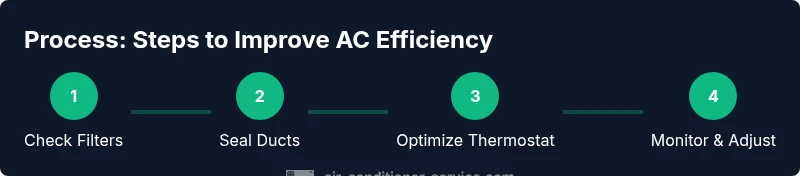
If you want to save energy and stay cooler, follow a 10-step plan to improve AC efficiency: clean and replace filters, seal ductwork, optimize thermostat use, ensure proper airflow, clean the outdoor unit, upgrade to a smart thermostat or efficient blower, insulate ducts, and schedule regular maintenance. This practical approach yields noticeable gains without costly overhauls.
Why efficiency matters
If you're wondering how to make air conditioner more efficient, the answer starts with understanding what efficiency means for your comfort and your wallet. An efficient system uses less energy to deliver the same cooling power, reduces peak electricity demand, and minimizes wear on components. This matters not only for monthly bills but also for long-term reliability. According to Air Conditioner Service, a well-tuned system with clean air pathways can trim energy waste significantly without sacrificing cooling comfort. Homeowners who adopt a focused approach to efficiency often notice steadier temperatures, fewer airflow complaints, and a lower chance of urgent repairs during heat waves. In practice, efficiency is a product of design alignment, routine maintenance, and smart usage patterns. We will walk through practical steps you can take, from simple filter changes to smarter control strategies, so you can achieve meaningful gains without expensive overhauls. By understanding the basics, you can tailor the plan to your home and your schedule.
Baseline assessment
Before changing how you use and tune your AC, establish a baseline. Start by checking the unit’s SEER rating, age, and maintenance history. If you’re unsure, request a quick diagnostic from a qualified technician. Air Conditioner Service Analysis, 2026 notes that routine maintenance and early problem detection can improve system performance by reducing energy waste and preventing efficiency dips caused by degraded components. Record current energy use from your utility bill over several billing periods to spot seasonal patterns. Note the areas where comfort is inconsistent: rooms that feel warmer, vents with restricted airflow, or equipment that runs constantly. A clear baseline makes it easier to measure the impact of each improvement and keeps you aligned with your budget and schedule.
Quick wins you can do now
Some of the biggest gains come from simple, low-cost actions. Start with the basics: replace or clean air filters (every 1–3 months, depending on use and pets), ensure thermostat settings align with occupancy, and remove obstructions around supply and return grilles. Clean the outdoor condenser coils and check for debris blocking airflow; trim nearby plants and clear leaves. Seal obvious duct leaks with foil tape or mastic sealant, especially in accessible attic spaces. Finally, verify that the thermostat is communicating with the system and that there are no energy-wasting steps, like leaving doors or windows open during cooling. These quick wins often yield noticeable comfort improvements within days or a couple of weeks.
Smart thermostat strategies
Upgrading to a programmable or smart thermostat can dramatically boost efficiency with intelligent scheduling and adaptive learning. Set schedules to cool only when occupied, enable humidity-aware cooling if supported, and use a “hold” temperature that minimizes constant cycling. For multi-zone homes, consider zone dampers or smart zoning to direct cooling where it’s needed most. Integrate occupancy sensors if your system supports them. Air Conditioner Service emphasizes using a thermostat that communicates with your equipment and your home’s insulation profile, because the biggest efficiency gains come from precise, targeted cooling rather than broad, constant cycling.
Duct and airflow improvements
Even a perfectly sized air conditioner wastes energy if air can’t reach living spaces efficiently. Inspect ducts for loose joints, disconnected sections, and obvious leaks. Seal accessible ductwork with mastic sealant and, if needed, add insulation to ducts in unconditioned spaces. Consider having a professional test duct leakage and balance airflow to ensure uniform cooling. Good duct design reduces air pressure loss, which means the blower doesn’t have to work as hard to push air through the system. The result is lower electricity use and steadier temperatures across rooms.
Outdoor unit maintenance and airflow
The outdoor unit is a critical efficiency component. Clear a 2–3 foot radius around it to improve airflow. Remove debris, trim back shrubs, and hose down fins gently—avoid bending the delicate aluminum fins. If fins are bent, a fin comb can restore airflow without replacing components. Ensure the unit is level and free of obstructions that cause overheating. Periodic cleaning and protective measures help prevent energy loss due to restricted airflow and overheating, which can force the system to run longer with diminishing returns.
Insulation and shading
Insulation in ducts and around the home matters for efficiency. Rigid or flexible ducts buried in unconditioned spaces can lose warmth or draw in humidity, reducing overall performance. Ensure attic and crawlspace insulation meets recommended levels, seal attic access to minimize air leaks, and consider shading the outdoor unit or cooling ducts. Even modest improvements in insulation and shade reduce the cooling load, letting the AC run less aggressively. Air Conditioner Service notes that these measures work best when combined with regular maintenance and airflow optimization.
Energy monitoring and billing
Track your home’s energy usage to quantify gains from efficiency steps. Use a smart meter or home energy monitor to compare monthly consumption before and after changes. Look for sustained reductions in overall cooling energy or fewer peak-time starts. Many households notice that even small reductions add up over a hot season, especially when combined with smart scheduling and improved duct integrity. Keep a short, actionable log of what changes you’ve made and when so you can correlate actions with outcomes.
When to upgrade components
Not every improvement yields the same return. If your compressor is aging, your refrigerant charge is consistently low, or your SEER rating is well below modern standards, upgrading to a higher-efficiency unit or a variable-speed system can deliver meaningful gains. Weigh upfront costs against long-term savings, climate, and how long you plan to stay in the home. Air Conditioner Service recommends consulting a qualified technician to assess system health, match the right SEER level to your home, and design a plan that minimizes downtime while maximizing efficiency.
A practical plan you can follow this season
To make sustained progress, combine the above steps into a season-long plan. Week 1: replace filters and inspect duct access points. Week 2: clean the condenser and clear nearby obstructions. Week 3: adjust thermostat schedules and install a smart strategy. Week 4: seal ducts and verify airflow. Week 5: monitor energy use and schedule professional maintenance if anomalies persist. By approaching efficiency as a series of small, repeatable tasks, you can achieve long-term gains. The Air Conditioner Service team encourages homeowners to document results and adjust the plan as needs shift with seasons and occupancy. Implementing this structured approach helps you consistently move toward a more efficient, comfortable home.
Tools & Materials
- Screwdriver set (Phillips and flathead)(Include a magnetic tip set for easy fastener removal)
- Vacuum cleaner with brush attachment(Crevice tool helpful for ducts and vents)
- Soft brush or fin comb(Use gently to avoid damage to fins)
- Foil tape or mastic sealant(Seal duct leaks; avoid cloth duct tape)
- Thermostat with scheduling capability(Prefer programmable or smart thermostat)
- Detector or smoke pen for leaks (optional)(Helpful for spotting leaks in ducts)
- Aluminum foil or insulation tape for outdoor unit clearance(Keep 2-3 feet of clearance around unit)
- Gloves and safety glasses(Personal protection during maintenance)
Steps
Estimated time: 2-4 hours
- 1
Power down and prep
Turn off the AC breaker and thermostat. Remove any obvious hazards and gather your tools. This step ensures safety and prevents accidental starts during work.
Tip: Double-check that the system cannot engage while you are working. - 2
Inspect and replace air filters
Check filters for dirt and clogging. Replace if dirty or every 1-3 months, depending on usage and pets. Clean filters extend airflow and reduce strain on the blower.
Tip: Use the filter type recommended by your manufacturer for best results. - 3
Check and seal duct leaks
Inspect accessible duct joints for gaps. Apply foil tape or mastic sealant to seal leaks. Leaks reduce delivered cooling and waste energy.
Tip: Do not seal hidden, non-accessible ducts yourself; call a pro for compromise sections. - 4
Clean outdoor condenser fins
Gently hose off debris from the fins. If fins are bent, use a fin comb to restore spacing. Ensure there is at least 1–2 feet clearance around the unit.
Tip: Do not use high-pressure jets that may bend fins. - 5
Optimize thermostat strategy
Program a sensible cooling schedule. Use a higher setpoint when you’re away and align with occupancy. If supported, enable humidity-aware settings to reduce compressor cycling.
Tip: Avoid constant 72-degree cooling when the house is empty. - 6
Improve airflow inside the home
Ensure returns and supply vents are unblocked. Consider adding return air paths in undersupplied rooms or adjusting vent openings to balance airflow.
Tip: Blocked vents can reduce efficiency more than you expect. - 7
Upgrade controls and components
If the system is older, consider a smart thermostat and motor (blower) upgrade or variable-speed options. These reduce cycling and energy use over time.
Tip: Consult a pro to ensure compatibility with your existing system. - 8
Insulation and duct sealing inspection
Check insulation around ducts and in attics; seal any gaps that allow heat infiltration. Good insulation keeps cooled air where it belongs.
Tip: Attend to attic hatch leaks to prevent warm air input. - 9
Schedule professional maintenance
A professional tune-up evaluates refrigerant levels, electrical components, and overall system health. Regular service helps sustain efficiency gains.
Tip: Annual or biannual service aligns with climate and usage. - 10
Monitor results and adjust
Track monthly energy use and indoor comfort after completing steps. Use the data to refine your plan for the next season.
Tip: Keep a simple log of changes and outcomes.
Common Questions
How often should I replace or clean AC air filters?
Most systems benefit from a monthly to quarterly filter check. Replace when dirty and allow for seasonal changes in occupancy and use. Clean or replace filters to maintain proper airflow and efficiency.
Check filters every month and replace or clean when dirty to keep your AC efficient.
Does a higher SEER rating always mean lower energy usage?
A higher SEER rating typically means more efficient equipment, but the actual savings depend on proper sizing, installation, and how you use the system. Efficiency is a combination of equipment and usage patterns.
Higher SEER helps, but proper sizing and usage matter just as much.
Can I improve efficiency without replacing the entire system?
Yes. Many households gain efficiency through maintenance, duct sealing, improved airflow, smarter thermostats, and selective component upgrades like fans or compressors where appropriate.
Yes. Regular maintenance and smart upgrades can boost efficiency without a full replacement.
What are the signs my outdoor unit needs attention?
If the unit is noisy, frequently cycles, or runs longer than expected, it may need cleaning, clearance, or a professional check for refrigerant or electrical issues.
Watch for unusual noise or endless running—these often mean it's time for a tune-up.
How do I know if upgrading is cost-effective for my home?
Cost-effectiveness depends on local energy prices, the age of your equipment, and the expected lifetime of the upgrade. A professional assessment helps quantify long-term savings versus upfront costs.
Ask a pro to compare current performance with a high-efficiency option for your home.
Watch Video
The Essentials
- Identify and seal leaks to reduce energy waste.
- Regular maintenance sustains efficiency and comfort.
- Smart controls amplify savings with proper goals.
- Airflow optimization is as important as component efficiency.
- Measure results to guide future improvements.