How to Reduce Air Conditioner Use: Practical Guide for Homeowners
Learn practical steps to cut AC energy use and stay comfortable. From sealing leaks to thermostat tweaks, this guide helps homeowners reduce bills and protect equipment.


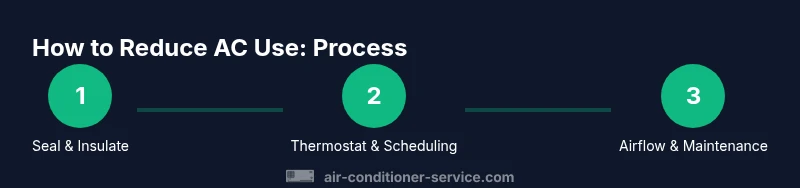
To learn how to reduce air conditioner usage, you’ll implement a practical mix of sealing, thermostat strategy, airflow optimization, and regular maintenance. This quick guide shows actionable steps that lower cooling load without sacrificing comfort. According to Air Conditioner Service, small, consistent adjustments—like sealing leaks, programming smart schedules, and cleaning components—can cut energy use and extend your system’s life.
Why reducing air conditioner usage matters
Reducing how much your air conditioner runs isn’t about making the home uncomfortable; it’s about using energy more efficiently while preserving comfort. When you tackle cooling waste, you lower energy bills and reduce wear on key components. The Air Conditioner Service team emphasizes that the most effective strategies address the whole system: sealing leaks, improving insulation, and optimizing how you cool your space. As you pursue practical ways to reduce air conditioner use, you’ll see that even small changes can compound over a season, delivering noticeable savings without sacrificing everyday comfort. This section explains why a deliberate approach to energy efficiency matters and how it connects to long-term reliability and better home climate control.
Quick wins you can implement today
You don’t need to overhaul your system to start reducing energy use. Start with simple, low-effort actions that pay off quickly:
- Seal obvious air leaks around doors and windows with weatherstripping or caulk.
- Replace or clean clogged air filters so air can move freely through the system.
- Use ceiling fans to help distribute cool air more evenly, allowing the thermostat to run less often.
- Close blinds or shades on sunny sides of the house to reduce solar gain.
- Keep vents clear of furniture and obstructions to maintain good airflow. Implementing these quick wins builds momentum for bigger changes and demonstrates that how to reduce air conditioner use can start this weekend with minimal expense.
Thermostat and scheduling: using setpoints for efficiency
A programmable or smart thermostat is one of the most powerful tools for reducing energy consumption. By scheduling when cooling runs and aligning setpoints with actual occupancy, you can maintain comfort while minimizing waste. Start by establishing a baseline of typical daily patterns, then adjust to let the system work less when nobody is home or during cooler parts of the day. The goal is predictable cooling that matches your routine, not constant operation. If your current thermostat lacks scheduling features, consider upgrading to a model designed for energy efficiency and remote access so you can fine-tune settings on the fly. This approach directly ties into how to reduce air conditioner use without sacrificing comfort.
Airflow and filtration: optimizing air paths and filter maintenance
Efficient airflow is essential for effective cooling. Dirty filters, obstructed returns, or blocked supply vents force the system to work harder. Regular filter maintenance, combining with periodic coil cleaning, keeps airflow steady and cooling more effective. In addition, ensure returns are unobstructed and that warm air can circulate from living spaces back to the system with minimal resistance. When you optimize airflow, you improve heat transfer, reduce energy waste, and make the overall system more responsive to control changes. This section covers practical checks you can perform and the signs of airflow restrictions to watch for.
Ductwork and attic: sealing leaks and improving insulation
Duct leakage is a common but often overlooked source of wasted cooling. Inspect ductwork for obvious loose joints and seal with appropriate materials to minimize air loss. In attic spaces, ensure insulation is adequate to prevent heat transfer from the roof space. A well-sealed and insulated duct network keeps cooled air where it belongs and reduces the load on the air conditioner. If you notice significant temperature differences between rooms or feel warm air near ducts, focus on sealing and insulating ducts in those areas first. Proper duct maintenance is a cornerstone of how to reduce air conditioner use over the long term.
Outdoor unit care and shading: maximize exposure and airflow
The outdoor condenser must have clear space around it for optimal heat rejection. Keep vegetation trimmed back, remove debris, and ensure there’s no obstruction within a few feet of the unit. Location matters: where possible, position the unit away from direct sun and heat sources that increase cooling load. While shading can help in some climates, avoid placing the unit behind structures that trap heat or block airflow. Regular outdoor cleaning and inspection help the system run efficiently and support the goal of how to reduce air conditioner use.
Seasonal maintenance and professional checks
Seasonal upkeep plays a crucial role in long-term efficiency. Scheduling a professional check can catch issues before they become performance problems, ensuring the system operates as designed. Regular inspections typically cover refrigerant level checks, electrical connections, and coil cleanliness, all of which influence how to reduce air conditioner use. While home maintenance can cover many items, a technician can identify subtle problems and recommend targeted improvements that offer the best ROI. Consistency is key for sustained energy savings.
Upgrades for bigger gains: when to consider efficiency improvements
If your home still feels uncomfortable or your energy bills persist despite good maintenance, upgrading to more efficient components can deliver meaningful gains. High-efficiency models and properly sized equipment can reduce energy use while improving comfort. This section explains how to assess project scope, choose reputable units, and plan for professional installation. It emphasizes avoiding oversizing or undersizing, common pitfalls that undermine efficiency. The emphasis remains practical: upgrades should align with your home’s cooling needs and budget while delivering the best long-term value.
Measuring impact: track progress and maintain momentum
Tracking results is essential to confirm that your efforts are paying off. Compare energy bills before and after changes, monitor comfort levels, and note any improvements in cooling responsiveness. Maintaining a simple log helps you see what works best and adjust plans as seasons shift. This final section explains practical ways to quantify your progress, so you stay motivated and continue to refine your approach to how to reduce air conditioner use over time.
Tools & Materials
- Weatherstripping material(Exterior doors/windows; 1/8 inch thickness recommended for gaps)
- Caulk/Sealant(Indoor and outdoor sealing for cracks around openings)
- Aluminum foil tape(For duct sealing and air-tight joints)
- Energy-efficient thermostat(Programmable or smart; supports scheduling)
- Duct sealant or mastic(Use on accessible duct joints in attic/basement)
- Coil cleaner/soft brush(For outdoor condenser coils and interior evaporator coils)
- Air filters (MERV-rated)(Stock for replacement; choose appropriate MERV level for home)
- Digital thermometer/hygrometer(For measuring ambient and supply air temperatures)
- Ventilation fans(Ceiling or whole-home fans to aid cooling)
- Tool set (screwdrivers, pliers, utility knife)(General purpose tools for sealing and adjustments)
Steps
Estimated time: 1-2 hours
- 1
Assess current cooling behavior
Document how your system currently operates throughout a typical day. Note rooms that feel warmer, thermostat patterns, and any drafty areas. This establishes your baseline and helps tailor the rest of the steps for how to reduce air conditioner use.
Tip: Start with a simple room-by-room walkthrough; focus on obvious sources of heat and air loss. - 2
Seal major air leaks
Inspect doors, windows, and attic hatches for gaps. Apply weatherstripping and caulk where air leaks are evident. A well-sealed envelope reduces heat gain and helps the AC work less hard.
Tip: Pay attention to gaps around garage doors and attic hatches that are easy to overlook. - 3
Improve insulation and seal ducts
Check attic insulation and seal accessible duct joints with duct sealant or mastic. This reduces conditioned air loss and ensures the cooled air reaches living spaces efficiently.
Tip: If you hear air escaping around duct joints, re-seal before proceeding to other steps. - 4
Upgrade or optimize the thermostat
Install a programmable or smart thermostat and configure occupancy-based schedules. Properly setpoints minimize cooling when you don’t need full comfort, conserving energy.
Tip: Test different schedules to identify the balance between comfort and savings. - 5
Optimize airflow and filtration
Replace dirty filters, ensure returns are unobstructed, and keep supply vents clear. Clean evaporator/condenser coils as needed to maintain heat transfer efficiency.
Tip: Regular filter checks prevent reduced airflow and higher energy use. - 6
Improve cooling distribution with fans and shading
Use ceiling fans to circulate cool air and reduce the need for constant AC use. Add window treatments to limit solar gain during peak sun hours.
Tip: Fan direction should push air down in summer for better cooling. - 7
Schedule seasonal maintenance
Arrange a professional check to verify refrigerant levels, electrical connections, and coil cleanliness. A technician can identify hidden issues and suggest targeted improvements.
Tip: Plan seasonal visits before peak cooling season for best results.
Common Questions
What is the most effective way to reduce air conditioner usage without sacrificing comfort?
Start with air sealing and insulation, then optimize thermostat schedules and airflow. Regular maintenance ensures the system operates efficiently and avoids unnecessary energy waste.
Seal leaks and optimize schedules first, then maintain airflow for lasting efficiency.
How often should I replace air filters to improve efficiency?
Replace or clean filters as part of your regular maintenance when they look dirty or clogged. Clean air helps the system run efficiently and reduces energy use.
Check filters regularly and replace when dirty to keep efficiency high.
Will upgrading my thermostat impact savings?
A smart or programmable thermostat can significantly improve efficiency by aligning cooling with occupancy patterns and optimizing setpoints.
Upgrading your thermostat helps you control cooling better and save energy.
Is shading the outdoor unit always beneficial?
Yes, but ensure there is still ample clearance for airflow. Proper shading can lower the unit’s heat load and improve efficiency.
Shade can help, just keep airflow clear around the unit.
Can ceiling fans help reduce energy use?
Yes. Ceiling fans don’t cool air but circulate it, allowing you to raise the thermostat while staying comfortable.
Fans let you feel cooler at higher temperatures, saving energy.
How can I track savings after making changes?
Compare energy bills season to season and note comfort levels. A simple log helps you see what changes work best.
Keep a simple log and watch energy bills to measure progress.
Watch Video
The Essentials
- Seal leaks to reduce cooling load
- Upgrade to a programmable thermostat
- Maintain airflow and clean coils regularly
- Use shading and fans to distribute cooling
- Schedule professional checks for sustained efficiency