Air Conditioner Repair Emergency: Homeowner Guide
Learn practical steps for a rapid, safe response to an air conditioner repair emergency. This guide covers safety, triage, DIY limits, professional triage, and prevention to protect your home during heat waves.


An air conditioner repair emergency occurs when cooling abruptly stops during extreme heat, components fail, or there's a sign of electrical danger. In these cases, shut off the unit at the thermostat and disconnect the breaker if safe, avoid DIY fixes if you smell burning, and call a licensed technician immediately. This quick guide will help you respond effectively.
Understanding what qualifies as an air conditioner repair emergency
An air conditioner repair emergency is not just a nuisance; it is a situation where cooling stops during a heat wave, there are warning signs from the system, or there is potential electrical danger. Signs include no cooling despite a calling thermostat, unusual noises like grinding or buzzing, a burning smell, smoke, water pooling around the indoor unit, or breaker trips that recur. During extreme heat, an already stressed system can fail quickly, leading to rapid temperature rises and comfort risk. According to Air Conditioner Service, emergencies are more likely to occur when demand is high and outdoor temperatures spike, so recognizing early warning signs helps you minimize damage and shorten downtime. This section helps you distinguish routine maintenance issues from true emergencies and sets the stage for a safe, fast response that prioritizes safety and preventing collateral damage to your home.
Immediate safety steps you should take
When you suspect an air conditioner repair emergency, safety comes first. If you notice burning smells, smoke, or buzzing that could indicate an electrical issue, evacuate nearby spaces and call emergency services if the danger seems immediate. If it looks safe, go to the electrical panel and switch off the circuit feeding the AC, then shut off the thermostat to stop the unit from running. Do not attempt to service exposed electrical components or refrigerant lines unless you are trained and equipped for it. Keep children and pets away, and avoid touching metal components that could be energized. After power is off, document any visible signs (coloration, leaks, frost) to share with the technician.
Safety and risk awareness in the home
Electrical failures associated with air conditioner repairs emergency can escalate quickly. Water ingress near the outdoor unit increases the risk of shock, so never touch electrical components with wet hands. If you smell burning or notice melted insulation, exit the area and contact authorities. Non-destructive triage—such as checking the thermostat setting, verifying that other breakers are not tripped, and observing whether the indoor air is distributing at all—helps you provide clear information to the technician. A calm, safety-first approach reduces the chance of injuries and keeps your home protected while cooling can be restored.
Emergency scenarios and triage basics
Not every HVAC issue is equal. In a true emergency, you might see one of these: no cooling during peak heat, a burning smell, loud arcing sounds, visible refrigerant hissing, or water intrusion near electrical panels. For each scenario, triage focuses on safety first, then informing the technician. If the outdoor unit is icy or flooded, or you notice a loose capacitor or burnt wiring, these are red flags to avoid DIY fixes and request urgent professional service. Document the symptoms, the last time the unit operated normally, and any recent thermostat changes to help the technician reproduce the problem quickly.
DIY triage vs professional intervention: when to call
Adoptive DIY fixes can mask underlying problems and create safety hazards. Use professional intervention if you notice burning smells, smoke, buzzing or sizzling sounds, water around electrical components, or the system trips the main breaker repeatedly. For less dangerous symptoms—like unusual noises or a failure to reach the set temperature—you can perform basic safety checks and prepare information for the technician. Always remember that refrigerant handling, high-voltage components, and capacitor work require trained personnel with proper equipment and licenses.
What to expect when a professional arrives for an emergency repair
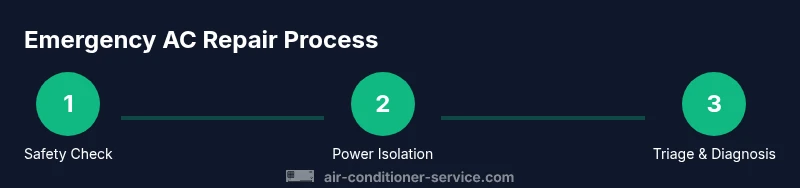
When the technician arrives, expect a fast safety assessment, including power isolation, visuals of the electrical connections, and checks on refrigerant lines and electrical components. They typically verify thermostat operation, test voltage levels, inspect outdoor and indoor units, and determine whether the issue is electrical, refrigerant-related, or control-system related. The technician will likely provide a written estimate, explain required repairs, and offer a plan for temporary cooling if available. Ask about ETA, parts availability, and any safety steps you should follow while awaiting service.
Preventing emergency failures: maintenance habits that matter
A proactive maintenance plan dramatically reduces the chance of an emergency. Schedule annual inspections, replace air filters regularly, keep the outdoor condenser clear of debris, and ensure proper refrigerant charge and airflow. Regular checks help you catch minor issues before they escalate into emergencies, especially before heat waves. Consider a homeowner preventive checklist that includes thermostat calibration, electrical panel health, and drain line clearance. This enables quicker triage and reduces downtime when problems arise.
How to choose an emergency repair service: criteria that matter
When time is critical, selecting a reputable emergency service matters. Look for licensed/emergency-ready providers with clear response times, transparent pricing, and written guarantees. Check reviews focused on responsiveness, technician expertise, and safety practices. Confirm they offer 24/7 service, diagnostic capabilities, and written estimates, so you know what to expect. Air conditioner repair emergency experiences vary; choosing a service with strong safety culture and prompt communication reduces stress during a crisis.
Tools & Materials
- Voltage tester or multimeter(Essential for confirming live circuits before touching any components)
- Insulated gloves(Protects hands when near energized parts)
- Flashlight(High-quality light helps inspect panels and connections safely)
- Non-contact infrared thermometer (optional)(Useful for quick surface temperature checks on equipment)
- Camera or smartphone(Document symptoms, leaks, and label information for the technician)
- Owner's manual or model sticker(Have on hand to supply model number and specs)
Steps
Estimated time: 60-90 minutes (initial safety checks and triage)
- 1
Power down and assess safety
If you suspect danger, immediately switch off the thermostat and shut off the circuit feeding the AC at the main breaker. Do not touch exposed wiring or refrigerant lines. If you smell burning or see smoke, evacuate and call emergency services.
Tip: Use dry hands and stand on a dry surface when touching switches or panels. - 2
Verify power isolation
Confirm the AC is disconnected by testing with a voltage tester at accessible disconnects. If you cannot safely disconnect, wait for a professional. Power isolation prevents accidental shock during inspection.
Tip: Never rely on the thermostat alone to cut power; breakers provide the true isolation. - 3
Inspect for obvious hazards
Check for melted insulation, scorch marks, or visible refrigerant leaks near the outdoor unit. Do not touch refrigerant lines or attempt repairs. Keep pets and children away from the area.
Tip: If you see a refrigerant leak or hissing sounds, treat it as an emergency and call a pro promptly. - 4
Document symptoms and gather data
Note what happened, temperatures, sounds, odors, and whether indoor air is cooling. Collect the unit’s make, model, serial number, and date of last service. Take photos of the control board, label plates, and any leaks.
Tip: This information helps the technician diagnose faster and reduces diagnostic time. - 5
Prepare for the technician
Secure access for the technician, clear a path to the outdoor unit, and provide access to the main service panel. Have contact information and your preferred times ready. If the home is unusually hot, set up fans to improve comfort in other rooms.
Tip: Ask about temporary cooling options if immediate relief is possible. - 6
Call a licensed emergency provider
Reach a qualified HVAC technician with emergency service capability. Share symptoms, safety steps taken, and all gathered data. Confirm ETA, costs for diagnosis, and any required permits.
Tip: Ask for a written estimate and what parts may be needed before approving work.
Common Questions
What counts as an air conditioner repair emergency?
An emergency includes no cooling during extreme heat, burning smells, smoke, or visible electrical hazards. If you notice these signs, prioritize safety, shut off power, and call a licensed professional immediately.
No cooling during a heat wave, burning smells, smoke, or obvious electrical hazards require urgent professional help.
Should I turn off power during an emergency?
Yes. Turn off the thermostat and shut off the circuit feeding the AC at the main breaker if safe. This reduces risk of shock or further damage while you arrange professional help.
Turn off the AC at the breaker if it’s safe to do so, then contact a professional.
Can I fix it myself during an emergency?
In most emergencies, do not attempt repairs beyond basic safety checks. Refrigerant handling, capacitor work, and high-voltage components require trained technicians and proper equipment.
DIY fixes can be dangerous; rely on a licensed technician for actual repairs.
What should I tell the technician when they arrive?
Describe all symptoms, noises, odors, and when cooling last worked. Share model/serial numbers, last service date, and all safety steps you took. This helps diagnose quickly and accurately.
Tell the tech what you heard, saw, and when it started, plus model info.
How long does emergency repair typically take?
Repair times vary with the issue, but a safety-focused triage and diagnosis can take 1–2 hours, with parts replacement extending visit times. The technician will provide an estimate before work begins.
Time depends on diagnosis and parts; expect a few hours for a full repair.
What can I do to prevent future emergencies?
Adopt a regular maintenance schedule: replace filters, clean debris from the outdoor unit, check refrigerant lines, and schedule annual professional inspections before peak season.
Regular maintenance helps prevent emergencies and keeps cooling reliable.
Watch Video
The Essentials
- Identify safety first and shut off power immediately
- Document symptoms and model information for faster service
- Know when to call a professional and avoid DIY electrical repairs
- Prevent emergencies with regular maintenance and cleanup
- Choose a reputable emergency repair service with clear communication