Problem with Air Conditioning: Urgent Troubleshooting Guide
A practical, urgent troubleshooting guide for the problem with air conditioning. Learn fast fixes, safe checks, and when to call a professional to restore comfort quickly.


Most common problem with air conditioning is a dirty filter or an airflow restriction, which reduces cooling. Quick fix: replace or clean the air filter, check the thermostat setting, and ensure the outdoor unit isn't blocked or on a tripped breaker. If these steps don't restore cooling, power down and call a professional for safe service.
Why a problem with air conditioning happens
When you notice your AC isn't delivering the expected cool air, it's natural to panic. According to Air Conditioner Service, many problems start with simple, preventable issues. The phrase problem with air conditioning covers a range of symptoms—from weak airflow to no cooling at all. Understanding the common culprits helps you respond quickly and safely. In most homes, the first suspect is airflow: clogged filters, blocked vents, or an obstructed outdoor unit can starve the system of air and force it to work harder, increasing wear and energy use. Electrical issues, such as a tripped breaker or a blown fuse, are another frequent cause, especially after storms. Finally, thermostat misconfiguration or sensor faults can mislead the system into overshooting or undercooling. By recognizing these patterns, you can prioritize checks that are safe and low-cost, and decide when to bring in a pro. Air Conditioner Service emphasizes starting with simple, verifiable steps before diving into more complex diagnostics.
Start with safe, simple checks
Most problems with air conditioning can be resolved with basic, safe steps. Begin by ensuring your unit is powered. Check the outdoor disconnect or breaker panel for a tripped breaker and reset it if needed. Then verify the thermostat is set to cool and not too high; if it has an auto mode, set to cool and lower the temperature a few degrees. Next, inspect the air filter. A dirty filter is the single most common cause of poor cooling and reduced airflow. If the filter looks clogged or dark, replace it with a filter of the correct size. Finally, inspect the return and supply vents for obstructions—curtains, furniture, or dust buildup can block airflow. If you notice frost on the coils or if the unit runs constantly, do not attempt further disassembly; instead proceed to the next steps or call a pro.
Diagnosing common symptoms and likely causes
When the system is off or not cooling well, start with symptoms to narrow down causes. Not cooling enough often points to restricted airflow or low refrigerant. Short cycling can indicate a control issue or a dirty filter. Ice on the coils usually signals a refrigerant leak or airflow problem. Foul odors or a buzzing sound suggests electrical issues or mold growth in ductwork. Leaks around the indoor unit may mean drainage problems or condensate line clogs. Each symptom guides you toward simple fixes first, then professional help if needed.
Airflow and filter health
Airflow is the lifeblood of your AC. Air Conditioner Service analysis shows that clogged filters are the leading cause of reduced cooling in many homes. Replacing disposable 1 inch filters every 1-3 months can restore much of the original airflow; for higher efficiency filters, follow the manufacturer’s schedule. When replacing filters, ensure a snug fit and check for any gaps around the seal. Also open all vents to confirm air can move freely, and look for closed dampers in walls or registers. Finally, keep the outdoor unit free of vegetation, debris, and snow that can block the condenser coils.
Outdoor unit care and condenser cleanliness
The outdoor condenser must breathe. Clear leaves, grass, and other debris from around the unit and maintain at least 2 feet of clearance on all sides. Inspect the fins with a flashlight and use a fin comb to straighten bent surfaces. Avoid hosing down the coils with high pressure water, which can bend fins and drive debris inside. Keep the area around the condenser dry and free from standing water. If you hear rattling or feel excessive vibration, schedule service to check mounting hardware and fan motor.
Thermostat, refrigerant basics, and signs of leaks
Thermostat accuracy matters. If the thermostat reads wrong or won't hold the set temperature, recalibrate or replace the sensor. For refrigerant, only licensed technicians can diagnose leaks and recharge; attempting to handle refrigerant is dangerous and illegal in many areas. Signs of leaks include icy patches on refrigerant lines, hissing sounds, and rising energy bills. If you detect a leak, shut off the unit and contact a pro immediately to prevent compressor damage.
When to call a professional
Certain situations require expert hands. If you notice persistent freezing, unusual noises, burning smells, or refrigerant odors, stop using the unit and call a licensed technician. Energy bills that spike suddenly or a system that runs constantly without delivering cold air are red flags for serious problems that require diagnosis beyond DIY checks. A professional can confirm refrigerant levels, inspect ductwork, and test electrical components safely.
A preventive maintenance routine you can follow
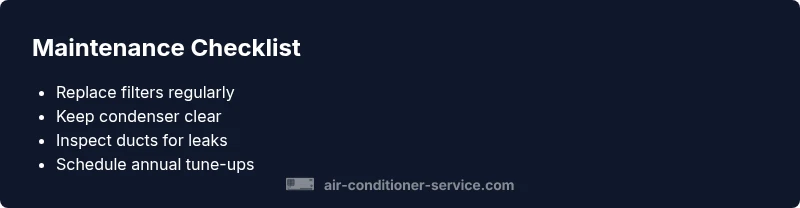
Create a seasonal routine to prevent future problems. Replace filters on schedule, clean condensate lines, inspect ductwork for leaks, and keep the outdoor unit clear. Schedule an annual professional tune-up to check refrigerant, electrical connections, and airflow. Regular maintenance reduces emergency calls and extends system life. The Air Conditioner Service team recommends making maintenance a priority for comfort and energy efficiency year after year.
Steps
Estimated time: 30-45 minutes
- 1
Power off and safety check
Shut off power at the main breaker and the outdoor disconnect. Wait 1-2 minutes to allow capacitors to discharge before inspecting components. Reconfirm power is off before touching any part of the system.
Tip: Use the outdoor disconnect or breaker panel; never work on live circuits. - 2
Check thermostat and settings
Make sure the thermostat is set to cool and at a temperature that will actually trigger cooling. If your unit has a fan setting, ensure it is set to auto. Avoid using temporary temperature spikes; small adjustments can make a big difference.
Tip: If the thermostat is older, consider replacing it with a programmable model for consistency. - 3
Inspect and replace air filter
Remove the existing filter and inspect for dirt and debris. Replace disposable filters or clean reusable ones according to manufacturer instructions. A clogged filter can dramatically reduce airflow and efficiency.
Tip: Note the filter size printed on the side and replace with the same type. - 4
Inspect outdoor unit and condenser
Clear leaves, grass, and other debris from around the condenser. Check for ice on the coil and ensure the unit has several inches of clearance for airflow. If you see significant debris or physically damaged fins, stop and consider professional help.
Tip: Never poke at the fins with metal objects; use a fin comb if needed. - 5
Verify electrical connections and fuses
Look for loose wires, burnt smells, or signs of wear around electrical connections. If you notice any corrosion or arcing, stop and call a professional. Do not attempt to tighten or replace electrical components unless you are qualified.
Tip: Keep a log of any unusual noises or smells to share with a technician. - 6
Test cooling and observe results
Restore power and allow the system to run for several minutes. Check if the air coming from registers is cooler and if the unit cycles normally. If cooling remains weak or intermittent, stop testing and contact a professional to avoid damage.
Tip: If you notice buzzing or stuttering, this may indicate a motor or compressor issue.
Diagnosis: Air conditioner won't cool or is weak
Possible Causes
- highPower issue (tripped breaker or no power to outdoor unit)
- highClogged or dirty air filter limiting airflow
- mediumOutdoor condenser blocked or dirty causing poor heat rejection
- lowLow refrigerant due to a leak
Fixes
- easyCheck the disconnect and circuit breaker; reset if needed and restore power to the unit
- easyReplace or clean the air filter and ensure vents are open
- easyClear debris around the outdoor unit and ensure proper airflow
- hardIf refrigerant is suspected, contact a licensed technician for leak repair and recharge
Common Questions
Why is my air conditioner not cooling properly?
Not cooling properly usually points to restricted airflow, dirty filters, or a faulty thermostat. Start with simple checks like replacing the filter and confirming the thermostat settings. If cooling remains weak, there could be a refrigerant issue or a more complex fault that requires a professional.
Not cooling often means airflow or thermostat issues. Start with the filter and thermostat, then call a pro if it still doesn't cool.
What should I check first if the AC runs but doesn't blow cold air?
Check the filter and vents for blockages, confirm the thermostat is set to cool, and inspect the outdoor unit for debris. If airflow remains weak, look for ice on coils which could indicate a refrigerant or airflow problem and seek professional help.
If it runs but isn't cold, start with the filter and vents, then check the outdoor unit and thermostat.
How often should I replace the air filter for an AC?
Most homes benefit from replacing disposable filters every 1-3 months, depending on usage and filter type. Inspect filters monthly and adjust the schedule if you have pets, allergies, or heavy dust. Always use the correct filter size.
Replace filters every 1-3 months, check monthly, adjust for use and pets.
Is low refrigerant a common cause, and can I fix it myself?
Low refrigerant is a serious issue that requires a licensed technician. A leak must be identified and repaired, and the system recharged safely. Do not attempt to handle refrigerant or seals yourself.
Low refrigerant needs a licensed technician. Do not attempt to recharge yourself.
When should I call a professional for an AC problem?
Call a professional if you hear strange noises, detect burning smells, see ice on coils, or if cooling does not return after basic checks. Professional evaluation ensures safe handling of electrical components and refrigerant and confirms duct integrity.
Call a pro if you hear noises, smell burning, or still have no cooling after checks.
Watch Video
The Essentials
- Start with power, thermostat, and filter checks.
- Clear airflow and keep the outdoor unit unobstructed.
- If symptoms persist, call a professional.
- Schedule annual maintenance for reliability.
- Document symptoms to aid technicians.