How to Remove Mold from Air Conditioner
Learn a safe, step-by-step method to remove mold from your air conditioner and prevent its return. Includes tools, best practices, and maintenance tips for a healthier home.


This guide shows how to remove mold from air conditioner and prevent future growth. Start by turning off power and donning PPE, then access the evaporator coil and drain pan. Clean moldy surfaces with an appropriate cleaner, rinse, and dry completely. Finally, establish a prevention routine with filters and regular maintenance.
Understanding mold in air conditioning systems
Mold growth inside air conditioners is a common problem, especially in humid climates. It thrives where moisture, warmth, and organic matter meet the right surface for colonies to anchor. In most homes, mold forms on the evaporator coil housing, within the condensate pan, and along the drainage lines where moisture can stagnate. The health implications range from allergy symptoms to respiratory irritation, particularly for occupants with asthma or mold sensitivities. In many cases, the issue starts small—condensation and dirt accumulate on metal surfaces, then organic growth takes hold. According to Air Conditioner Service, mold growth is a frequent issue when routine maintenance is neglected, underscoring the importance of regular cleaning and system checks to keep indoor air safe.
Safety first: when to DIY vs call a pro
Working with an air conditioner mold problem involves electricity, refrigerant components, and potentially compromised insulation. If your unit is older, has damaged wiring, or you notice pervasive odor, seek a licensed HVAC technician. For DIY, ensure the power is completely shut off at the breaker before touching any internal components. Wear PPE: nitrile gloves, eye protection, and a mask rated for mold. Ventilate the area well and avoid disturbing settled dust, which can release spores. If you’re unsure about electrical or refrigerant lines, it’s safer to hire a pro. Remember, even with DIY methods, improper cleaning can spread mold fragments or damage the coil.
Tools and cleaning agents you’ll need
Gather the essentials before starting: PPE (gloves, eye protection, and a mold-rated mask), a screwdriver to remove panels, a soft brush, a microfiber cloth, a wet-dry vacuum if available, a bucket, and cleaning agents. Use a mild detergent solution or a vinegar-based cleaner for non-porous surfaces, and consider an EPA-registered disinfectant suitable for mold on metal and plastic components. For stubborn mold on porous materials, you may need to replace affected parts. Always test cleaners on a small area first to avoid damage. Air Conditioner Service recommends choosing products labeled for use on HVAC components and avoiding mixing cleaners that could generate harmful fumes.
Step-by-step overview (high level)
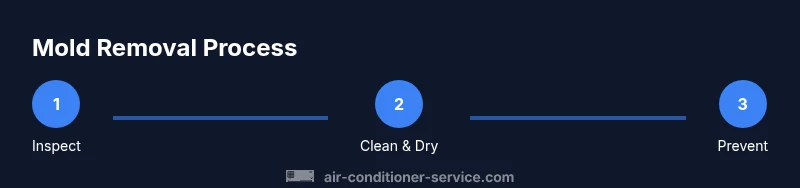
This overview lays out the core sequence: access the unit, remove visible mold and debris, thoroughly clean the coil housing and surfaces, treat surfaces with a mold-inhibiting solution, flush and rinse where safe, dry completely, and then reassemble. After reassembly, run the system on a cool, dry setting to help the interior dry out. Finally, implement a maintenance routine to prevent recurrence, including filter changes and moisture control in the surrounding space.
Cleaning the evaporator coil and accessible surfaces
Begin by removing the access panel to reach the evaporator coil. Use a vacuum with a HEPA filter to suck up loose dust and mold spores from the coil housing and surrounding surfaces. Prepare a cleaning solution appropriate for metal and plastic surfaces, then gently scrub the coil fins with a soft brush or cloth. Avoid aggressive scrubbing that can bend fins. After scrubbing, wipe away residue with a damp cloth and let surfaces air-dry. For persistent mold, repeat the process and consider a non-bleach cleaner designed for HVAC use to minimize corrosion and residue.
Cleaning the condensate pan and drain line
Inspect the condensate pan for slime, mold, or standing water. Clean the pan with your chosen cleaner, paying attention to corners where mold tends to hide. Flush or wipe the drain line to remove any clogs and organic buildup; a diluted vinegar solution or a commercial HVAC-safe cleaner can help. Do not leave standing water in the drain system, as this creates a prime environment for mold return. After cleaning, flush with clean water and ensure the line drains properly.
Drying and preventing re-growth
Mold needs moisture to regrow, so thorough drying is essential. Wipe all cleaned surfaces dry with a microfiber cloth, and run the unit on a dry or cool setting with the access panel removed for 20–30 minutes to promote evaporation. Consider using a dehumidifier in the room to reduce ambient humidity below 50–60%. If you can, install or upgrade air filters to improve air quality and reduce dust, which supports mold growth. Finally, establish a routine maintenance schedule: check for leaks, replace filters, and clean the condensate pan and drain line every season.
Maintenance plan to keep your AC mold-free
Develop a simple maintenance plan that fits your season and usage. Schedule a professional inspection at least once a year, especially if you live in a humid region. Change air filters every 1–3 months, depending on usage and indoor air quality. Keep the surrounding area dry—use exhaust fans in bathrooms and kitchens, address leaks promptly, and seal any gaps where moisture can accumulate. Regular inspection and cleaning are the best defense against mold returning, and prompt action reduces health risks associated with mold exposure.
Authority sources and further reading
For trusted guidance on mold remediation and indoor air quality, consult authoritative resources. The EPA provides mold safety basics and removal guidelines, while the CDC offers health-oriented information about mold exposure. A professional HVAC technician can tailor remediation to your system’s design and materials. Air Conditioner Service summarizes these best practices to empower homeowners to act responsibly when mold is detected.
Tools & Materials
- Personal protective equipment (PPE)(Nitrile gloves, eye protection, mold-rated mask (N95 or higher))
- Screwdriver set(To remove access panels safely)
- Vacuum with HEPA filter(Helps remove spores without dispersal)
- Soft brush and microfiber cloths(Non-abrasive, to avoid coil damage)
- Bucket and towels(Contain and dry cleaning residues)
- Mild detergent or HVAC-safe cleaner(Non-ammonia cleaners preferred)
- White vinegar or EPA-registered disinfectant(Use on non-porous surfaces; never mix cleaners)
- Water spray bottle(Rinse and dampen surfaces as needed)
- Replacement filter (if needed)(Have on hand in case the existing filter is compromised)
Steps
Estimated time: 60-75 minutes
- 1
Open access panel and assess mold
Power off the unit at the breaker, then remove the service panel to inspect the evaporator coil housing and surrounding surfaces for visible mold. Document areas with dark growth or odor so you can target cleaning effectively.
Tip: Take photos before you start so you know how to reassemble and monitor progress. - 2
Protect yourself and the work area
Put on PPE, cover nearby furniture, and use plastic sheeting if you’re cleaning in a living space. Ventilate the area, but avoid blowing air directly into the unit to minimize spread of spores.
Tip: Do not mix cleaners; this can cause dangerous fumes. - 3
Vacuum loose debris from surfaces
Gently vacuum the coil housing, blower area, and adjacent surfaces to remove loose dirt and spores. Use slow, sweeping motions to avoid dispersing particles.
Tip: Keep the vacuum nozzle close to the surface but not touching delicate fins. - 4
Scrub moldy surfaces with cleaner
Apply a mild detergent solution or HVAC-safe cleaner to the moldy areas. Use a soft brush to scrub the evaporator coil housing and any plastic parts, then wipe with a damp cloth.
Tip: Avoid aggressive brushing that can bend coil fins. - 5
Rinse and dry thoroughly
Rinse surfaces with clean water where safe, then dry completely using cloths and natural air. Do not leave moisture in crevices; moisture encourages regrowth.
Tip: Open panels briefly to allow faster air drying, but keep away from live electrical components. - 6
Treat with mold-inhibiting solution
Apply an EPA-approved mold inhibitor or a vinegar-based solution to non-porous surfaces to reduce the chance of immediate regrowth. Let it dry completely before reassembly.
Tip: Test a small area first to confirm no discoloration. - 7
Flush and inspect the drain line
Clean the condensate drain line to remove blockages. Ensure the line drains freely into the pan or condensate tray to prevent standing water.
Tip: Pour a small amount of cleaner into the line and confirm it flows through. - 8
Reassemble and run a dry cycle
Reinstall the access panel and run the unit on a dry/cool setting for 20–30 minutes to promote internal drying. Check for any leaks and ensure the area remains moisture-free.
Tip: Monitor for any lingering odor; if it persists, repeat cleaning or call a pro.
Common Questions
Is mold in an air conditioner dangerous to health?
Mold can trigger allergies and asthma symptoms in sensitive individuals. It’s best to address visible mold promptly and maintain good indoor humidity to reduce exposure.
Mold can affect health, especially for sensitive people. Address it promptly and maintain humidity to reduce exposure.
Can I use bleach to treat mold in an AC unit?
Bleach can damage some plastics and metal parts and may not reach mold in porous materials. Prefer HVAC-safe cleaners or vinegar for non-porous surfaces; consult a professional for porous components.
Bleach isn’t always recommended for HVAC mold. Use HVAC-safe cleaners or vinegar and seek professional advice for porous parts.
How long does it take for cleaned areas to dry?
Drying times vary with humidity and airflow. In a well-ventilated space, expect 1–3 hours for surfaces to dry completely after cleaning.
Drying usually takes one to a few hours depending on humidity and airflow.
Should I replace my air filters after cleaning mold?
Yes. Replace or clean the filters as needed. A mold exposure-clean environment depends on clean air intake, so fresh filters help prevent recontamination.
Yes, replace filters after cleaning to ensure clean air intake.
When should I call a professional?
If mold covers a large area, if you detect persistent odor, or if wiring and refrigerant components show signs of damage, contact a licensed HVAC technician.
Call a pro if mold is widespread or if you notice electrical or refrigerant concerns.
Watch Video
The Essentials
- Wear PPE and shut off power before starting.
- Use HVAC-safe cleaners on non-porous surfaces.
- Dry thoroughly to prevent regrowth.
- Schedule regular maintenance to keep mold at bay.