How to Get Rid of Bad Smell from Your Air Conditioner
Practical steps to remove odors from your air conditioner, prevent mold, and keep indoor air clean with safe, DIY-friendly maintenance tips. Great for homeowners and renters.


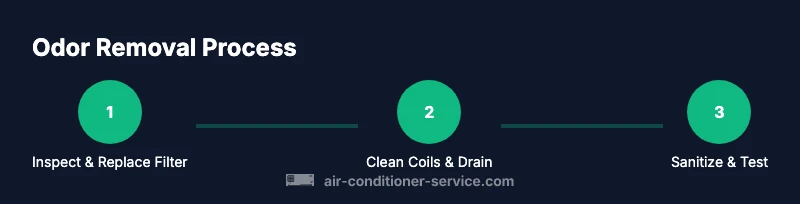
To get rid of bad smells from your air conditioner, start with a thorough cleaning of the filters and evaporator coils, then sanitize the drainage system and ducts if needed. Address mold growth, run a deodorizing cycle, and schedule regular maintenance to prevent recurring odors. This approach targets common odor sources and improves indoor air quality.
Understanding the sources of odor in air conditioners
Odors in air conditioners usually come from moisture and organic matter that accumulate inside the system. The most common culprits are mold or mildew in ducts and on evaporator coils, dirty filters, and algae or sludge in the condensate pan or drain line. Dust-laden air that passes through damp components can carry smells throughout the home. Some odors mimic sulfur or rotten eggs when bacteria grow in condensate lines, while musty notes often indicate mold colonizing hidden corners. Less common but possible sources include chemical residues from cooling coils, refrigerant leaks (which require immediate professional attention), or dead insects trapped in the blower compartment. The key to effective odor control is identifying the likely source and tackling it directly rather than applying generic air fresheners which mask the problem. Start with simple fixes—filters and drainage—before moving to deeper cleaning if the odor persists.
Immediate actions you can take today
Before you touch the unit, power it down to prevent electric shock or damage. Replace the return air filter with a fresh one sized for your system, and ensure the door to the blower area is secure. Check the condensate drain pan and line for clogs or standing water; remove debris and flush with a mild cleaning solution if allowed by your model. Wipe accessible surfaces with a soft cloth and a damp solution, paying attention to the evaporator housing and around the blower wheel. If your unit has a programmable deodorizing option, consider running it for a short cycle after cleaning. Finally, ventilate the room during and after cleaning to help odors dissipate rather than recirculating through the vents.
Cleaning and sanitizing your system safely
Use HVAC-approved coil cleaner and follow the product label to avoid damaging fins or electrical components. Apply the cleaner to the evaporator coils from the top down and let it work as directed before rinsing or wiping as required by the product. For interior sanitization, use an EPA-registered disinfectant on accessible surfaces and allow proper air-drying. Avoid mixing cleaners, and never spray water directly into electrical boxes or onto the control board. After cleaning, wipe the surfaces dry and reassemble the access panels carefully. Regular cleaning reduces odor buildup and helps maintain efficiency.
When to clean ducts, drain lines, and coil surfaces
If odors persist after the basic cleaning or you notice persistent moisture, visible mold growth, or damp insulation around the ductwork, it is time to escalate. Mold in ducts or near the coil can be a health risk and often requires professional remediation. Drain lines should be clear; if you see algae or slime, a professional may recommend more thorough draining and sanitization. If your cooling performance is unaffected but smells remain, a deeper duct cleaning or coil inspection by a licensed HVAC technician is typically recommended.
Maintenance routines to prevent future smells
Adopt a simple maintenance schedule: replace filters every 1–3 months (more frequently for pets or dusty environments), clean the condensate line annually, and schedule a professional tune-up at least once a year. Keep a drain pan clean and dry, and ensure proper attic or crawlspace moisture control to minimize mold growth. Consider adding a UV-C or disinfectant option approved for HVAC systems if your environment tends to support microbial growth. Finally, use good air-sealing practices around windows and doors to reduce moisture intrusion.
Tools & Materials
- New HVAC air filter(Choose correct size and MERV rating per manufacturer)
- Vacuum with brush attachment(For ducts and coil access; use gentle suction)
- Soft brush and microfiber cloth(Gentle cleaning of fins and surfaces)
- Mild detergent or HVAC coil cleaner(Follow label instructions; do not mix cleaners)
- EPA-registered disinfectant(Used on accessible interior surfaces; allow to air-dry)
- Gloves and eye protection(Safety first)
Steps
Estimated time: 60-90 minutes
- 1
Power down and replace the filter
Turn off the AC at the thermostat and disconnect power. Remove the old filter and replace with a fresh one suited to your system's size and needs. This step prevents pushing dust into the coils and ducts.
Tip: Have the new filter ready before you start so you don't leave the unit exposed. - 2
Inspect the condensate drain and pan
Look for clogs, standing water, or algae growth. Clear any debris from the drain line using a flexible brush or small bottle brush; flush with a mild cleaning solution if allowed by your model. Remove visible sludge from the pan with a damp cloth.
Tip: Always unplug the unit before poking into the drain line. - 3
Clean evaporator coils and blower wheel
Gently brush loose dust from the coils. Use a coil cleaner following the label instructions; avoid aggressive scrubbing that could bend fins. Wipe the blower wheel if accessible and inspect for debris that could restrict airflow.
Tip: Do not spray water directly onto electrical components. - 4
Sanitize interior surfaces
Apply a light mist of EPA-registered HVAC disinfectant to the coil housing and accessible ducts, then wipe dry. This reduces microbial smells without harming components.
Tip: Allow surfaces to air-dry fully before reassembly. - 5
Check ductwork and seal leaks
Inspect visible ductwork for musty odors, moisture, or mold growth. Seal obvious leaks with compatible duct sealant or repair tape as needed.
Tip: If you see widespread mold, call a pro rather than attempting DIY remediation. - 6
Test run and monitor odors
Turn the system back on and run for 10–15 minutes with the fan on. Note odor changes; if smells persist, schedule a professional inspection for deeper mold or refrigerant concerns.
Tip: Keep windows closed during the test to accurately gauge the odor.
Common Questions
Why does my air conditioner smell musty?
Musty odors usually come from mold or mildew in ducts, coils, or the drain pan. Airflow spreads the smell throughout the home. Cleaning and sanitizing these areas dramatically reduces musty odors.
Musty odors come from mold in the ducts or coils. Cleaning those areas and improving drainage helps a lot.
Can I use bleach to clean the AC components?
Bleach can damage plastics and reduce system efficiency if not properly diluted and ventilated. Use HVAC-approved cleaners and follow label directions. If in doubt, hire a pro.
Bleach can harm some parts; use HVAC cleaners and follow the label, or get a pro.
How often should I change the air filter to prevent smells?
Check the filter every month and replace every 1-3 months, depending on use, pets, and dust. A clean filter reduces odors and improves airflow.
Change filters regularly based on use and environment; this helps odors.
When should I call a professional for odor issues?
If odors persist after DIY cleaning, if you notice standing water, visible mold growth, or refrigerant signs, contact a licensed technician.
If odors stay after cleaning or you see mold or leaks, call a pro.
Could a refrigerant leak cause smells?
Refrigerant leaks can cause unusual odors and pose safety risks. If you suspect a leak, stop using the unit and have a pro inspect immediately.
A refrigerant leak can smell unusual; stop using the unit and call a pro.
Are there long-term fixes to prevent odors?
Yes. Schedule regular professional maintenance, replace filters, clean ducts as needed, and consider UV-C or disinfectant options approved for HVAC use to reduce microbial growth.
Regular maintenance and proper cleaning prevent odors long-term.
Watch Video
The Essentials
- Identify mold sources and address them quickly
- Replace filters regularly to prevent odors
- Use HVAC-approved cleaners and follow label directions
- If odors persist after DIY steps, consult a professional
- Establish a routine maintenance to prevent future smells