How to Get Rid of Mold in Air Conditioner
Learn how to safely remove mold from your air conditioner, prevent recurrence, and protect indoor air quality with practical steps, maintenance tips, and professional guidance.


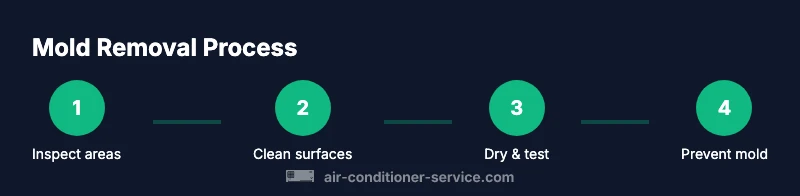
This guide shows you how to get rid of mold in air conditioner safely and effectively, plus how to prevent it from returning. You’ll learn practical cleaning steps, drying techniques, and maintenance habits that protect indoor air quality. We cover common problem areas, safe product choices, when to call a professional, and how to verify success.
Why Mold in Air Conditioner Happens and Why You Should Act
Mold growth in air conditioners typically occurs when moisture combines with organic debris on cooling coils, condensate pans, and ductwork. Left unchecked, it can worsen indoor air quality, trigger allergies, and spread spores throughout your home. According to Air Conditioner Service, mold in condensate pans and ductwork is a common problem that can degrade indoor air quality and damage components if ignored. Understanding how mold forms helps you target the right spots and avoid unnecessary interventions. In this section, we’ll explore how humidity, inadequate ventilation, and poor maintenance contribute to mold growth, and how a proactive plan can minimize risk. This is especially important for homes with high humidity, frequent cooling cycles, or aging ductwork.
Safety First: Gear, Ventilation, and Safe DIY Boundaries
Working with mold requires proper protection and ventilation. Before you begin, assemble PPE (nitrile gloves, safety goggles, and a N95 mask). Ensure the area is well-ventilated—open windows if possible or run a fan positioned to exhaust air away from living spaces. Mold exposure can irritate the eyes, skin, and lungs; even if you are cleaning a small area, take precautions. If you have severe allergies, asthma, or compromised health, consider hiring a professional from the start. The strategy here emphasizes containment, careful handling of moldy materials, and avoiding cross-contamination to other parts of the home.
Common Mold Hotspots in Air Conditioning Systems
Mold tends to hide in places that stay damp or accumulate organic matter. Look closely at: the evaporator coil and surrounding housing, condensate pan and drain tray, condensate drain line, blower housing, and any accessible ductwork near supply and return vents. These areas often show clearly visible mold or a musty odor. Mold can also grow on insulation around ducts or on filters that have trapped moisture. A thorough inspection helps you target the right spots rather than wasting time on cleanable but mold-free-looking surfaces.
Cleaning Agents: Pros, Cons, and Safe Use in Home HVAC
Choosing the right cleaner matters. Options include unscented white vinegar, hydrogen peroxide (3%), and mild dish soap with warm water for gentler scrubbing. Some homeowners use EPA-registered anti-mold sprays designed for HVAC use. Bleach is effective on non-porous surfaces but can be risky inside an air handler due to fumes and moisture. Avoid mixing products (especially bleach with ammonia or acids) as this can create toxic gases. Read label directions carefully and ventilate the space during and after cleaning. For most homeowners, rotating between vinegar and a mild soap solution is a safe, effective starting point.
Preparing the Cleaning Area and Workflow
Prior to cleaning, shut off power to the unit at the thermostat and the breaker. Remove accessible panels to expose the coil, drain pan, and housing. Use drop cloths or plastic sheeting to protect floors and nearby electronics. If your system has a readily accessible drain line, prepare a container to catch any overflow. Establish a clean workspace and keep moldy materials contained to prevent spores from spreading. Taking photos before you begin can help you track what was affected and what you cleaned.
Drying, Reassembly, and Testing the System
After cleaning, dry all components thoroughly. Wipe surfaces with clean cloths and allow air to circulate, or use a fan directed at the duct area to speed evaporation. Reinstall panels and return any access doors to their original positions. Restore power and run the unit on fan mode for 15–30 minutes to ensure residual moisture is removed and to circulate air through treated areas. Check for any persistent odor or moisture; if either persists, pause operation and repeat the cleaning steps on affected surfaces. A successful test includes normal airflow, no musty smell, and stable cooling.
Prevention Strategies to Stop Mold From Returning
Mold thrives in humid environments, so controlling humidity is key. Regularly replace or clean filters (every 1–3 months depending on usage and manufacturer guidance). Clean condensate pans and flush the drain line every few months to prevent clogs. Ensure proper airflow by keeping supply registers unobstructed and scheduling seasonal maintenance. Consider a dehumidifier in high-humidity spaces and inspect insulation around ducts for dampness. A routine maintenance schedule reduces mold risk and extends system life.
When to Call a Pro or Replace Components
For large infestations, visible mold behind panels, or mold that returns after cleaning, professional evaluation is recommended. A technician can access hard-to-reach areas, safely remove contaminated insulation, and check for mold-growth in ductwork. If the evaporator coil is severely stained or corroded, replacement may be more cost-effective than continued remediation. The decision to replace should consider overall system age, efficiency loss, and long-term mold control.
Quick-Reference Mold-Screening Checklist
- Inspect for musty odors, visible mold, or signs of moisture near the coil, pan, drain line, and ductwork.
- Verify the condensate drain is clear and water flows freely into the condensate pan.
- Check filters for moisture or dark staining and replace if needed.
- Ensure the unit runs without unusual noises or coolant odors after cleaning.
- Keep humidity under control with a dehumidifier or improved ventilation during peak seasons.
Tools & Materials
- Nitrile gloves(Protect hands from mold and cleaners)
- Safety goggles(Eye protection against splashes and spores)
- N95 mask(Respiratory protection when cleaning moldy areas)
- Spray bottle(Hold cleaning solutions for easy application)
- Soft-bristle brush(Gently scrub coils and housing without scratches)
- Microfiber cloths(Wipe surfaces and absorb moisture)
- Mild detergent(For soapy cleaning of surfaces)
- White vinegar(Natural cleaner; use undiluted or diluted as needed)
- Hydrogen peroxide (3%)(Alternative disinfectant for porous areas)
- Isopropyl alcohol (70%)(Used for spot sanitizing on non-porous surfaces)
- Bleach (sodium hypochlorite)(Use only on non-porous surfaces; never mix with ammonia)
- Shop vacuum with HEPA filter(Capture spores and damp debris)
- Protective plastic sheeting(Contain area to prevent spores spreading)
Steps
Estimated time: 60-120 minutes
- 1
Power down and disconnect
Turn off the AC at the thermostat and switch the circuit breaker to the OFF position. This prevents electric shock and keeps you safe while inspecting and cleaning. Verify the unit cannot start unexpectedly during the process.
Tip: Double-check that multiple power sources are off and keep a note of the breaker location for future safety. - 2
Access cleaning areas
Remove any decorative panels or access covers to expose the evaporator coil, condensate pan, and drain lines. Document areas with visible mold and note any loose or damaged insulation that may need attention.
Tip: If panels are stubborn, use a warm, gentle tap with a screwdriver handle—do not force hardware to avoid damage. - 3
Prepare cleaning solutions
Create a cleaning solution appropriate for the surface. For non-porous metal and plastic, a mild detergent with warm water or white vinegar works well. For disinfection on non-porous surfaces, a diluted hydrogen peroxide solution can be used.
Tip: Avoid mixing bleach with ammonia or acids; set up cleaners in separate containers to prevent accidental mixing. - 4
Scrub visible mold
Using the soft-bristle brush, scrub the affected coil surfaces, housing, and pan. Wipe away debris with microfiber cloths. Do not scrub too aggressively to avoid damaging fins or coatings.
Tip: Work in small sections and rinse cloths frequently to prevent redistributing mold spores. - 5
Clean condensate drain and pan
Flush the condensate drain with a mild cleaning solution to remove slime or slime buildup. Clear the drain with a flexible brush or pipe cleaner, then rinse the pan thoroughly.
Tip: Running a small amount of water through the drain helps reveal any blockages; stop if you see gurgling or backflow. - 6
Rinse, dry, and sanitize
Rinse all cleaned surfaces with clean water and dry completely with microfiber cloths. Apply a sanitizer or disinfectant on non-porous surfaces to reduce recurrence risk.
Tip: Ventilate the area well during and after sanitizing to minimize fumes. - 7
Reassemble and test
Reinstall any panels and restore power. Run the unit on fan mode for 15–30 minutes to thoroughly dry the system and verify normal airflow. Listen for unusual noises or bad odors post-cleaning.
Tip: If you notice lingering odor, repeat the cleaning steps specifically around the evaporator housing and drain area. - 8
Evaluate moisture and humidity
Use a hygrometer to confirm indoor humidity levels are within the recommended range (generally between 30–50%). High humidity areas indoors are more prone to mold growth.
Tip: Running a dehumidifier in damp rooms can help maintain lower humidity year-round. - 9
Document and plan preventive maintenance
Record when you cleaned the unit, what products were used, and any ongoing issues. Schedule routine maintenance checks every 6–12 months depending on usage and climate.
Tip: Set calendar reminders for filter changes and seasonal inspections to sustain mold control.
Common Questions
Can I remove mold from my air conditioner by myself?
Small, surface mold on non-porous parts can often be addressed safely by a homeowner using proper PPE and ventilation. If mold covers insulation, ducts, or is extensive, consider hiring a professional.
Yes for small surface mold on non-porous parts; for bigger infestations, call a pro.
Is bleach always safe to use on my AC?
Bleach is effective on non-porous surfaces but can release fumes and damage certain plastics and seals. Never mix with ammonia or acids. Ventilate well and avoid using on porous materials like organic insulation.
Bleach can work on non-porous surfaces, but use with caution and good ventilation.
How long does it take for cleaned areas to dry?
Drying time varies with humidity and air flow. Allow 24–48 hours of evaporation in many home settings; use fans or a dehumidifier to speed up the process.
Drying may take a day or two depending on humidity; use airflow to speed it up.
Should I replace the evaporator coil because of mold?
If the coil is heavily stained, corroded, or mold has penetrated porous components, replacement may be more effective than remediation. A professional can assess the extent and recommend options.
If the coil is severely damaged, replacement may be best; have a pro evaluate it.
How can I prevent mold from coming back long-term?
Control humidity, clean or replace filters regularly, flush the drain line, and schedule seasonal maintenance. Good airflow and clean condensate areas reduce mold risk drastically.
Keep humidity low, clean filters, and maintain the drain line to prevent recurrence.
Watch Video
The Essentials
- Identify mold hotspots before cleaning to save time.
- Use PPE and proper ventilation to reduce exposure.
- Choose safe cleaners and avoid mixing chemicals.
- Dry thoroughly to prevent quick mold rebound.
- Maintain humidity and change filters regularly to prevent recurrence.