How to Know If Your Air Conditioner Is Broken: Quick Troubleshooting Guide
Urgent, practical troubleshooting guide to help homeowners diagnose and fix common AC problems. Learn quick tests, step-by-step fixes, and when to call a pro. From power checks to simple maintenance, get your cooling back fast.


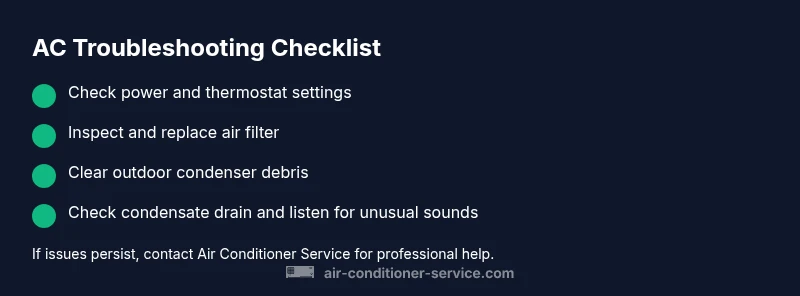
Most AC problems are solvable with quick checks. The most common causes are power or thermostat issues, a clogged filter, or a blocked condensate drain. Start by verifying the unit is powered on, the thermostat is set to cool, and the temperature is lower than the current room temp. Next, inspect the air filter and outdoor condenser for debris.
Is your air conditioner really broken? Quick prelim checks
If you're wondering how to know if your air conditioner is broken, this guide starts with the simplest checks you can perform safely. Most issues come from power, thermostat settings, or airflow limitations. Before you reach for tools, confirm that the system is receiving power, the thermostat is set correctly, and the indoor filter isn’t clogged. By ruling out these basics, you can save time and avoid unnecessary service calls. In this section, we’ll outline the top signs that indicate a problem and explain why they occur in plain language. Expect common culprits like a tripped breaker, an incorrect temperature setting, a dirty filter, or debris in the outdoor unit to be discussed with practical, homeowner-friendly steps. Air Conditioner Service emphasizes starting with the simplest fixes first to fix the majority of non-working situations.
The key to quick resolution is scalable testing: you’ll learn how to sequence checks so you’re not chasing problems that don’t exist. By following the flow, you’ll know when it’s time to call a professional. This quick overview also teaches you how to document symptoms for a technician, which can save time and cost on service visits.
Immediate safety and setup checks (now)
Safety first: never poke into live electrical components. Turn off power at the breaker or disconnect switch before any inspection. After power is secured, verify the thermostat is in cooling mode and set to a temperature comfortably lower than the room’s current temperature. If your unit is connected to a smart thermostat, you may want to bypass it and set a manual temp to confirm basic cooling function. Ensure the outdoor unit has at least 18-24 inches of clearance for proper airflow and looks free of tall grass, leaves, or snow. A blocked condenser coil can dramatically reduce cooling efficiency and even cause the system to shut down due to overheating.
Next, inspect the air filter. A dirty, clogged filter restricts airflow, makes the system run longer, and can cause iced coils or reduced cooling. Remove and replace disposable filters or wash reusable ones as recommended by the manufacturer. If you can see ice on the evaporator coil or ice forming on refrigerant lines, turn the system off and allow it to thaw before you attempt to restart. Finally, check the condensate drain line. A clogged drain can trigger a safety switch that shuts the system down to prevent water damage. If you hear dripping or notice a water puddle, clear the drain line and verify proper drainage.
Air Conditioner Service notes that many problems stem from simple issues: power, thermostat, airflow, or drainage. By checking these basics first, you’ll often restore cooling without a professional visit.
Common causes explained
This section breaks down the most frequent failure modes in plain terms, so you know what to look for when ACs stop cooling. A dirty filter reduces airflow and forces the system to work harder, which can overheat components and trigger protective shutdowns. A tripped breaker or blown fuse cuts power to the condenser or the indoor unit; resetting the breaker often resolves this quickly. A malfunctioning thermostat—old batteries, loose wiring, or sensor drift—can cause the system to misread room temperature and fail to cool properly. Debris accumulation on the outdoor condenser (leaves, dust, grass clippings) creates an air choke that reduces heat transfer and can cause the compressor to work harder or stall.
Less common but serious issues include a frozen evaporator coil from restricted airflow, refrigerant leaks, or a failing compressor. Refrigerant leaks are not DIY-friendly and require licensed technicians due to environmental and safety risks. Similarly, refrigerant charging and leak repair require specialized tools and certifications. If you notice hissing sounds, signs of oil around connections, or a noticeable drop in cooling performance that worsens over time, plan for a pro evaluation. Air Conditioner Service recommends maintaining consistent maintenance intervals to minimize these risks and catch issues early.
Diagnostic flow: symptom → diagnosis → fixes
A structured approach helps you avoid wasted time. Start with the obvious symptom: no cooling or inconsistent cooling. If the unit is powered and the thermostat is correct, but airflow is weak, the problem is likely airflow-related (dirty filter, blocked outdoor unit). If you hear unusual noises, rattling, or banging from the outdoor unit, there may be loose components or debris. If you see ice on coils or refrigerant lines, the issue is often airflow or a refrigerant problem. In each case, the recommended fix escalates from simple (clean or replace filters) to intermediate (clear outdoor debris, reset breakers) to complex (professional service for refrigerant or compressor concerns).
This diagnostic flow is designed to prevent unnecessary service calls; always err on the side of safety and call a pro if you’re unsure or if DIY fixes don’t restore cooling.
Step-by-step overview of the most common fix
For many homes, the simplest fix is a clean filter and clear outdoor unit. Start by turning off power, then replace or wash the air filter and ensure it’s properly seated. Next, inspect the outdoor unit for obstructions—remove debris, trim nearby plants, and rinse off dirt with a gentle spray. After air paths are open, re-check the thermostat’s settings and test the system. If cooling still seems weak, inspect for ice on the evaporator coil (inside the air handler); if ice is present, turn off the system and allow thawing, then recheck airflow. If the problem persists beyond these steps, it’s time to contact a professional.
Safety tip: never attempt to re-charge refrigerant or repair electrical connections unless you’re a licensed technician.
Prevention and maintenance to avoid future breakdowns
Prevention is the best cure for frequent AC problems. Schedule routine maintenance: replace filters every 1-3 months (more often in dusty environments), clean the outdoor unit annually, and inspect refrigerant lines for insulation wear. Keep the condensate drain clear and ensure proper humidity control within the home. Use a smart thermostat to monitor function and set alerts for unusual temperature swings. Regular professional checkups can catch issues like capacitor wear, fan motor problems, or coil efficiency loss before they cause breakdowns. Investing in preventive care saves money and reduces time without cooling.
When to call a professional
If basic checks don’t restore cooling, or you notice gas-like smells, electrical burning, refrigerant leaks, or loud noises, contact a licensed HVAC technician immediately. Do not attempt refrigerant work, coil repairs, or extensive electrical fixes yourself. A pro can diagnose refrigerant leaks using approved methods, test electrical components, and safely recharge or replace parts as needed. In emergency scenarios (no cooling during extreme heat, or signs of burning), seek urgent help from a trusted service provider such as Air Conditioner Service.
Steps
Estimated time: 25-40 minutes
- 1
Power and thermostat verification
Begin by ensuring the unit is powered on. Check the main breaker and the outdoor disconnect. If using a smart thermostat, bypass it to test basic cooling. Confirm thermostat is in cooling mode and set below room temperature.
Tip: Document any visible breaker trips or thermostat anomalies for the technician. - 2
Check and replace the air filter
Locate the air filter in the return air duct or furnace compartment. If it’s dirty, replace with the correct size and type. Re-seat securely and ensure the seal around the filter is intact.
Tip: Use the manufacturer’s recommendations to pick the right MERV rating for your home. - 3
Inspect outdoor condenser
Clear all debris from around the condenser and trim vegetation to maintain 18-24 inches of clearance. Gently rinse the fins with a hose if possible, taking care not to bend them.
Tip: Avoid high-pressure sprayers that can bend condenser fins. - 4
Check for ice on the evaporator coil
If you see ice on the indoor coil, turn off the system and let it thaw completely. After thawing, check for airflow restrictions and ensure the filter is clean. Restore power and monitor for proper operation.
Tip: Ice often means inadequate airflow; fix the filter or duct issues first. - 5
Test cooling after fixes
Turn the system back on and set a lower temperature. Listen for compressor and fan operation and verify air is cooling. If performance is inconsistent, progress to professional evaluation.
Tip: Take note of how quickly the temperature drops and any unusual noises. - 6
If unresolved, contact a professional
Persistent issues such as refrigerant concerns, capacitor failures, or compressor problems require licensed HVAC technicians. Prepare the symptom log and any observations gathered from steps 1-5 to speed diagnosis.
Tip: Air Conditioner Service can help schedule a diagnostic visit and provide a transparent quote.
Diagnosis: AC not cooling effectively or not turning on
Possible Causes
- highPower issue or tripped breaker
- highThermostat misconfiguration or failure
- highDirty or blocked air filter
- highBlocked outdoor condenser or debris
- lowFrozen evaporator coil due to airflow problems
- lowRefrigerant leak or compressor failure
Fixes
- easyReset breaker, confirm power to the outdoor unit, and ensure the disconnect is on
- easyVerify thermostat settings and replace batteries or recalibrate
- easyReplace or clean the air filter and reseat it correctly
- easyClear debris from outdoor condenser and ensure adequate spacing
- mediumIf coils are frozen, turn off system, thaw, and improve airflow; call pro if persists
- hardFor refrigerant leaks or suspected compressor failure, contact a licensed technician
Common Questions
What are the first signs that my air conditioner is not working correctly?
Common early signs include weak or no cooling, strange noises, unusual odors, icy coils, and higher energy bills. If you notice these symptoms, run through the quick checks in this guide and note when they occur.
Common signs are weak cooling, odd noises, or smells. Run through the quick checks and decide if a pro is needed.
Can a dirty filter really stop my AC from cooling?
Yes. A dirty filter reduces airflow, causing the system to work harder and sometimes freeze coils or trigger safety shutoffs. Replacing or cleaning the filter is often the quickest fix.
A clogged filter reduces airflow and can cause freezing or shutdowns. Clean or replace it to restore efficiency.
Is resetting the thermostat a good solution?
Resetting can help if the thermostat is misreading the room. If the issue persists after a reset, test the unit without the thermostat by setting a manual temperature and observation.
Resetting can help if the thermostat is misreading. If it persists, test with a direct temperature setting.
When should I worry about a refrigerant leak?
Refrigerant leaks require licensed technicians. Signs include hissing sounds, oily residue around connections, and persistent loss of cooling. Do not attempt to recharge refrigerant yourself.
If you suspect a refrigerant leak, call a pro. Do not try to recharge it yourself.
What maintenance can I do to prevent future breakdowns?
Regular filter changes, outdoor coil cleaning, drain line checks, and annual professional inspections greatly reduce the risk of sudden failures and keep efficiency high.
Change filters regularly, clean the outdoor coil, and have yearly checks to prevent surprises.
How long should I wait before calling a pro if it still isn’t cooling?
If simple steps don’t restore cooling within 30-60 minutes or if you notice unusual noises or smells, contact a licensed HVAC technician promptly.
If it doesn’t cool after basic checks or you hear odd noises, call a pro.
The Essentials
- Start with power, thermostat, and filter checks
- Clear outdoor unit and thaw any ice on coils before deeper diagnostics
- Use a diagnostic flow to guide fixes and know when to call a pro
- Avoid refrigerant work—call a licensed technician for leaks
- Maintain regular maintenance to prevent future breakdowns