Commercial Air Conditioner Repair: A Practical Guide
A comprehensive, step-by-step guide to diagnosing and safely repairing common issues in commercial air conditioners for property managers and building owners. Learn safety, tools, troubleshooting, and when to call a pro.


Learn how to diagnose and safely repair common commercial air conditioner issues, from insufficient cooling to electrical concerns. This guide covers practical checks, safety measures, and step-by-step actions you can take before calling a pro. By following these steps, you’ll minimize downtime, protect occupants, and extend the system’s lifespan. It also helps you document symptoms, estimate urgency, and decide when warranty or professional service is needed.
Scope of Commercial A/C Repair
According to Air Conditioner Service, commercial air conditioning systems are larger, more complex, and governed by strict safety codes compared with residential units. The repair process often involves electrical harnesses, three-phase power, large outdoor condensers, and intricate control boards. Before you pick up tools, clarify the system’s purpose, the building’s occupancy requirements, and any applicable lease or warranty terms. This context helps you prioritize risk, determine acceptable downtime, and set expectations with building management. For property owners, a documented maintenance plan reduces emergency calls and extends the life of critical cooling assets. Air Conditioner Service emphasizes planning and safety as the foundation of any repair project.
Safety first: establish a safe work environment
Safety is non-negotiable when repairing commercial equipment. Begin by shutting off power at the service disconnect and locking it out to prevent accidental energization. Use appropriate PPE: safety glasses, cut-resistant gloves, and hearing protection if motors run during testing. Post warning signs and ensure contractors or staff understand the scope. Air contaminants or refrigerant exposure can cause injury, so verify that there are no gas lines or chemical hazards nearby. If the system involves high voltages or pressurized refrigerants, consider coordinating with a licensed technician. This block sets the stage for a controlled, safe repair workflow.
Diagnostic framework: symptoms, causes, and checks
A structured diagnostic approach saves time and reduces the risk of unnecessary part replacements. Start with visible symptoms—lack of cooling, unusual noises, ice formation on the evaporator coil, or excessive run time. Correlate these with common causes such as dirty coils, restricted airflow, failed capacitors, stuck contactors, or low refrigerant charge. Keep a symptom log: note outdoor and indoor temperatures, fan speeds, filter condition, and any error codes on the control panel. Use a process of elimination: verify power, inspect electrical components, then assess airflow, moisture drainage, and refrigerant status. This method helps you distinguish between a simple fix and a major replacement.
Common components and how to inspect them
Commercial units rely on a handful of critical parts: outdoor condenser coils, indoor evaporator coils, air filters, condensate drain lines, contactors, capacitors, and fans. Inspect for dirt, corrosion, bent fins, and loose wiring. Check the contactor for pitting or welding; a failed contactor is a frequent, replaceable culprit. Capacitors should feel firm and not bulge; a swollen capacitor can impair starting and running. Ensure fans rotate freely and bearings aren’t worn. Finally, inspect the condensate drain for blockages that can trigger safety switches and water damage. Document observed issues with photographs for later reference.
Step-by-step troubleshooting sequence (high-level)
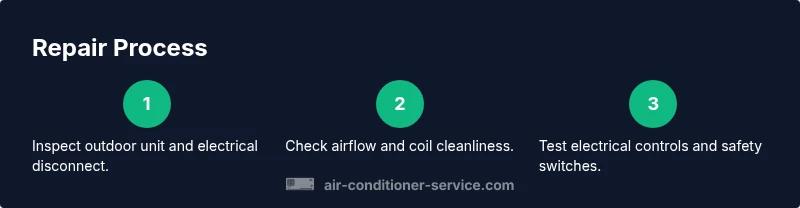
Apply a methodical sequence to avoid mistakes. Start with power-off safety checks, confirm data plate and service manual compatibility, inspect electrical connections and relays, then check for airflow restrictions and coil cleanliness. If issues persist, check refrigerant pressure only if you have certification and proper equipment. Always perform tests with the system powered down when wiring work is ongoing, and re-test using controlled power applications to avoid component damage. This section helps you systematically identify root causes and plan repairs.
When to repair vs. replace: decision guidelines
Repairing a commercial A/C can be cost-effective for minor faults, but recurring problems, persistent refrigerant leaks, or reduced efficiency may justify replacement. Consider the system’s age, maintenance history, energy efficiency goals, and downtime costs. If repair parts are expensive or multiple components fail within a short period, replacing with a higher-efficiency model can offer long-term savings. Always weigh upfront repair costs against projected utility savings and downtime, and consult with equipment manuals and warranties to avoid voiding coverage.
Documentation and communication with technicians
Record symptoms, tested parameters, and the exact parts inspected or replaced. Create a repair diary with dates, service personnel, and observations about performance changes. Clear documentation helps technicians reproduce issues and avoid misdiagnosis. When engaging a contractor, share the symptom log, photos, and any relevant warranties or installation data. If you expect warranty coverage, keep copies of purchase receipts and maintenance logs to streamline claim processing.
Maintenance for prevention: keeping commercial A/C healthy
Prevention reduces downtime and costly repairs. Implement a routine: schedule regular coil cleaning, filter replacement, and airflow audits; ensure condensate drainage is clear; test controls and temperature sensors; verify refrigerant charges only with certified personnel; and track energy use to spot efficiency declines. Adopting a proactive maintenance schedule lengthens equipment life, improves indoor air quality, and lowers long-term operating costs. Air Conditioner Service recommends quarterly inspections for high-demand commercial environments.
Tools & Materials
- Digital multimeter(check voltages and continuity)
- Electrical service disconnect(lockout/tagout before work)
- Screwdrivers (Phillips and flat)(panel access and component removal)
- Nut drivers and pliers(fastening and clamping tasks)
- PPE kit (gloves, eye protection, ear protection)(protect against shocks and debris)
- HVAC refrigerant gauges (for trained personnel)(verify pressures only if certified)
- Coil/fin cleaning brush and fin comb(clean condenser and evaporator coils)
- Notebook or tablet for documentation(record symptoms and changes)
Steps
Estimated time: 2-4 hours
- 1
Power down and secure equipment
Shut off power at the service disconnect and lockdown the circuit to prevent energization during work. Use a multimeter to confirm there is no voltage across the service panel. Discharge any residual capacitor safely and wait a few minutes before touching electrical components.
Tip: Label the area and notify building occupants to avoid accidental re-energization. - 2
Verify model data and service manual
Locate the data plate on the outdoor unit and indoor air handler. Compare model and serial numbers with the manufacturer’s service manual to ensure you're evaluating the correct equipment. This helps you access accurate wiring diagrams and torque specs.
Tip: If the data plate is damaged, document visible markings and consult online resources only after power is confirmed off. - 3
Inspect electrical components and controls
Inspect contactors for pitting or burned marks and test capacitors for swelling or leakage. Check wiring for loose connections and signs of heat damage. Ensure control boards and relays are seated correctly and look for error codes on digital Displays.
Tip: Use a non-contact tester to verify live circuits before touching wires; replace any damaged components with manufacturer-approved parts. - 4
Check airflow and coil cleanliness
Inspect outdoor condenser coils for dirt, debris, and bent fins. Clean with a soft brush or coil cleaner if allowed by the manual. Inside, examine air filters and evaporator coils for restrictions that reduce airflow and cooling capacity.
Tip: Avoid sharp fin damage by using a low-pressure spray and a fin comb; poor airflow can mask underlying refrigerant issues. - 5
Test system operation with controlled restart
Reconnect power and run the unit in cooling mode while monitoring amperage, temperature differential, and noise. Observe for abnormal cycling, tripping breakers, or unusual vibrations. If the unit runs but performance remains poor, reassess refrigerant, airflow, and electrical integrity.
Tip: Document the start time, outdoor temperature, and observed system response for technician handoff. - 6
Document findings and plan next steps
Record all measurements, visual observations, and actions taken. Decide whether to perform a minor repair, schedule a service call with a licensed technician, or plan for replacement. Ensure a follow-up maintenance schedule is set to prevent recurrence.
Tip: Share the repair diary with your technician to accelerate diagnosis and prevent duplicate work.
Common Questions
Is DIY repair allowed for commercial air conditioning systems?
DIY repair is not always allowed or safe for commercial systems. Local regulations often require licensed technicians for electrical work and refrigerant handling. Always check liability, permits, and warranty terms before attempting repairs.
DIY repair for commercial A/C is not always allowed; check local rules and warranty terms before starting.
Can I handle refrigerant leaks myself?
Refrigerant handling requires certification and proper equipment. Leaks should be addressed by qualified technicians who follow environmental and safety regulations to avoid harm and legal penalties.
Refrigerant leaks require licensed technicians with proper equipment.
How do I estimate repair costs for a commercial unit?
Repair costs vary by part price and labor, plus potential refrigerant charges. Obtain a written estimate from a licensed technician and compare it with replacement options considering efficiency and downtime.
Cost estimates come from parts, labor, and any refrigerant work; get a written quote.
When should I replace rather than repair?
If the system is old, unreliable, or frequently failing, replacement with a newer, more efficient model may save money and downtime in the long run. Consider energy costs and warranty coverage.
Replacement may be smarter if repairs are frequent or efficiency is poor.
What safety gear is essential during checks?
Wear PPE such as gloves, eye protection, and hearing protection. Ensure power is off and use insulated tools when working near electrical components.
Always wear PPE and keep power off during checks.
When is it best to call a professional?
If you encounter high voltage, suspected refrigerant leaks, complex controls, or if the unit is still under warranty, contact a licensed HVAC technician for safe and compliant service.
Call a licensed HVAC pro for complex issues or warranty concerns.
Watch Video
The Essentials
- Verify root cause before replacing parts.
- Prioritize safety, lockout/tagout, and documentation.
- Know when to repair vs. replace based on age and efficiency.
- Maintain a clear record for technicians and warranties.