Can You Seal a Freon Leak in an Air Conditioner? A Practical Guide
Explore whether you can seal a freon leak in your air conditioner, why DIY sealants aren’t a safe fix, and how licensed technicians diagnose, recover refrigerant, repair leaks, and restore cooling efficiency.


Freon leaks must be handled by licensed HVAC professionals. Sealing a leak with DIY sealants or products is unsafe, often illegal, and unlikely to solve the underlying problem. A proper fix involves locating the leak with specialized detectors, recovering refrigerant, repairing or replacing the affected component, and recharging the system after a pressure test. This guide explains why professional care is essential.
Why sealing a freon leak isn't a DIY fix
Sealing a freon leak in an air conditioner is not a simple patch-and-go repair. Freon leaks involve pressurized refrigerant and complex, corrosion-prone copper networks. DIY sealants and ad-hoc patches often fail, may contaminate the refrigerant charge, and can create unsafe conditions for occupants. In many places, venting or sealing refrigerant leaks without a licensed technician is illegal and can void warranties. The best practice is to stop using the unit to prevent further loss, then call a licensed HVAC professional who can locate the leak, recover the refrigerant, repair or replace the damaged component, and verify the system is sealed and charged correctly. According to Air Conditioner Service, professional intervention is the safest and most reliable path when a freon leak is suspected. If you’re asking, can you seal a freon leak in air conditioner, the practical answer most technicians give is no—reliable repair requires proper equipment and credentials. This distinction protects your safety and the environment.
If you ignore leakage or attempt a temporary seal, you may end up with reduced cooling, higher energy use, compressor damage, and environmental harm. By understanding the risks and following professional guidance, homeowners can minimize long-term costs and downtime while ensuring the system operates within safe limits.
Understanding freon leaks and what can go wrong
Freon leaks can start at joints, copper tubing, connectors, or internal components such as the evaporator coil. Over time, vibration, corrosion, improper brazing, or previous repairs can create small openings that slowly release refrigerant. When a leak occurs, the system cannot reach the correct pressures, which reduces cooling efficiency and can trigger the low-pressure switch. Handling refrigerant without the right equipment risks frostbite, breathing hazards, and environmental damage from refrigerant release. Modern codes require recovery and recycling of refrigerants rather than venting them, reinforcing why DIY sealants are not a safe solution. Air Conditioner Service reinforces that properly addressing a leak means locating the exact point with specialized detectors, isolating the problem, and performing a repair under controlled conditions. The takeaway: a sealant may stop a symptom temporarily, but it does not fix the root cause or meet safety and regulatory standards.
Ultimately, understanding where leaks originate helps homeowners assess whether the unit is worth repairing or replacing, and it guides conversations with a qualified technician.
When a leak is discovered: safety first
If you notice reduced cooling, ice formation on the evaporator, or hissing sounds from the outdoor unit, treat it as a potential refrigerant leak. First, turn off the system to prevent further loss and avoid running the unit until inspected. Ensure occupants, especially children and pets, are out of the area if a strong chemical odor is detected. Do not attempt to gas-fix the unit, add DIY sealants, or vent any refrigerant—these actions can be dangerous and are often illegal. Instead, document the symptoms, switch the thermostat to off, and contact a licensed HVAC professional promptly. Professionals will use leak detectors and dye tests to confirm a leak’s location without exposing the refrigerant to the atmosphere, then plan a safe recovery and repair sequence. Safe handling, proper equipment, and adherence to codes protect health and the environment while preserving equipment longevity.
The role of licensed technicians and the recovery process
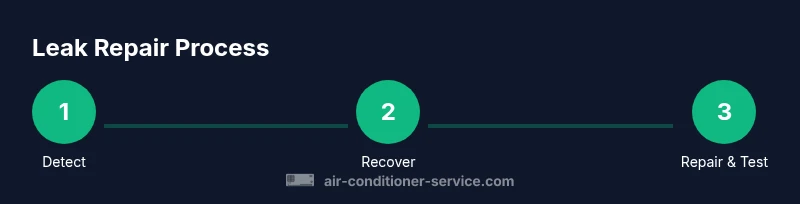
Licensed technicians are trained to recover refrigerant using certified recovery machines before any repair work begins. Recovery prevents refrigerant release, protects the environment, and ensures compliance with local and federal regulations. A tech will perform a precise leak detection procedure—often combining electronic detectors, UV dye tracing, and pressure testing—to locate the source. After recovering refrigerant, the technician assesses whether the leak is repairable (e.g., a faulty connection, a damaged coil, or a corroded fitting) or requires component replacement (such as a coil, line set, or compressor). They will then complete the repair, perform a vacuum purge to remove air and moisture, and recharge with the correct refrigerant type and charge. Finally, the system is pressurized and leak-tested to confirm integrity before returning the unit to service. This sequence minimizes the risk of future leaks and ensures safe operation. Air Conditioner Service emphasizes that this process is essential for both performance and compliance.
What a proper leak repair entails
A proper leak repair begins with precise localization using advanced diagnostics. The technician will either tighten fittings, replace gaskets, patch a pinhole, or replace damaged copper sections as needed. In some cases, a more extensive repair is required, such as replacing a condenser coil or an entire refrigerant line run. After repairing the leak, the system is evacuated to remove air and moisture, then evacuated again as needed before recharging with the correct refrigerant. A new leak test is performed to verify the fix, and the system is brought up to the manufacturer’s specified pressure and temperature range. The goal is full recovery of the refrigerant, a durable seal, and stable system performance. Note that sealants or duct tape are not acceptable long-term fixes for freon leaks; they can mask problems, contaminate the charge, and void warranties. The professional approach protects you and your investment while maintaining safety standards.
Professional results often depend on the leak’s location, the system’s age, and the overall condition of components like valves, seals, and coils. Regular maintenance can reduce the likelihood of future leaks by catching wear before it becomes critical.
Why some leaks are repairable vs. replacement
Not all leaks require component replacement, but some do. Small, accessible leaks in connections or fittings can often be repaired by resealing or replacing seals and tightening joints. More severe damage to coils, corroded lines, or a failing compressor may necessitate replacement of those components or an entire coil assembly. The decision hinges on leak size, location, system age, refrigerant type, and the cost-benefit analysis for repair versus replacement. Technicians also consider refrigerant recovery feasibility and the unit’s ability to operate safely after repair. In some cases, replacement of the outdoor condenser or indoor coil is more economical and provides longer-term reliability than incremental repairs. Air Conditioner Service notes that a thorough assessment enables an informed choice that balances performance, safety, and warranty considerations.
Always rely on a licensed professional to evaluate repair options, because attempting to patch or patch-seal a significant leak can lead to repeated failures and higher long-term costs.
The dangers of stop-leak products and DIY sealants
Stop-leak products and DIY sealants promise quick fixes but come with serious risks. They can contaminate the refrigerant and damage the system’s internal components, leading to reduced efficiency or complete failure. Sealants may clog metering devices, valves, or filters, causing improper refrigerant flow and poor lubrication of the compressor. In addition, many stop-leak products are incompatible with modern refrigerants (like R-410A), potentially creating chemical reactions that degrade seals or cause corrosion. From a regulatory perspective, introducing unapproved additives into a sealed refrigeration system can create compliance issues and jeopardize warranties. The recommended approach is to rely on approved repair methods performed by trained technicians, which ensures safe handling of refrigerants and adherence to environmental guidelines. Air Conditioner Service reiterates that DIY approaches risk health, safety, and financial consequences and should be avoided entirely.
If you’re tempted to try a home remedy, pause and call a professional who can confirm whether the underlying leak can be addressed through standard repair procedures.
Costs and time: what to expect
Repairing a freon leak involves multiple steps: locating the leak, recovering refrigerant, repairing or replacing components, evacuating the system, recharging with the correct refrigerant, and verifying there are no further leaks. Because every system is different, costs and timelines vary widely depending on leakage location, system age, refrigerant type, and the scope of repair. Rather than focusing on a single price, homeowners should request a written estimate that covers diagnosis, part replacement, labor, and refrigerant charges. Scheduling with a licensed professional ensures that the work complies with environmental and safety standards and reduces the risk of repeating the issue. Air Conditioner Service notes that while the upfront cost may seem high, professional leak repair preserves system efficiency, reduces energy consumption, and protects the environment in the long run. Avoiding quick fixes is essential for durable results.
A typical service window may range from a few hours to a full day, depending on the leak's complexity and whether parts must be ordered. The most accurate time estimate comes from your technician after diagnostics.
How to choose a qualified HVAC professional
Selecting the right technician is critical for a reliable repair. Start by verifying licenses and certifications (such as EPA refrigerant handling credentials) and checking for state or local compliance. Ask for a written estimate that itemizes diagnostic fees, parts, labor, refrigerant costs, and warranty terms. Seek references and read reviews to gauge workmanship and reliability. Confirm that the technician uses approved refrigerant recovery practices and conducts leak testing after the repair. A reputable pro will explain the cause of the leak, the proposed fix, and the expected performance after repair. It’s also wise to ask about follow-up support and any warranty on parts and labor. By choosing a qualified professional, homeowners can feel confident that the repair is safe, compliant, and durable, with ongoing service options if issues recur.
Preventing future leaks: maintenance and best practices
Prevention starts with regular maintenance and proactive inspections. Schedule periodic tune-ups, inspect copper lines for signs of corrosion or damage, and replace aging components before leaks develop. Keep the outdoor unit clear of debris and ensure proper airflow, as restricted airflow increases pressure on the system. Use a professional refrigerant audit to verify the correct charge and operating pressures, especially after any repair. Install a quality filter and check the condensate drain to avoid moisture-related corrosion inside the system. A well-maintained unit not only reduces the risk of leaks but also improves energy efficiency and comfort. Air Conditioner Service emphasizes that maintenance is a cost-effective strategy for longevity and reliability, reinforcing the importance of routine checks by licensed technicians.
Tools & Materials
- Refrigerant recovery machine(Used by licensed technicians to recover freon before repairs)
- Leak detectors (electronic or UV dye)(Helps locate the leak without venting refrigerant)
- Brazing/welding kit(For repairing copper tubing or joints)
- Nitrogen welding setup (optional but recommended)(Purges and pressures metal joints during repair)
- Vacuum pump(Evacuates moisture and air from the system)
- Manifold gauge set(For pressure tests and charging verification)
- Personal protective equipment (PPE)(Gloves, goggles, and respirator as needed)
- Replacement components (as needed)(O-rings, seals, coils, or line sets based on diagnosis)
- Licensed refrigerant and scale(Only for technicians; handles refrigerant charge accurately)
Steps
Estimated time: 4-8 hours
- 1
Stop using the system and assess safety
Turn off the thermostat and power at the breaker to prevent further refrigerant loss. Check for strong odors or frost on the evaporator. If you notice burning, hissing, or a chemical smell, evacuate the area and call emergency services if needed.
Tip: Avoid turning the unit back on until a technician confirms safety. - 2
Schedule a licensed technician
Contact a licensed HVAC professional to assess the leak. Do not attempt DIY repairs or sealer applications. A professional will verify credentials, performance, and environmental compliance before proceeding.
Tip: Ask for EPA refrigerant handling credentials and warranty terms. - 3
Perform leak detection and locate the source
Technicians use detectors, dye tests, and pressure tests to pinpoint the leak. Accurate location reduces invasive repairs and helps plan replacement parts if needed.
Tip: Provide access to both indoor and outdoor units for thorough inspection. - 4
Recover refrigerant safely
The technician uses a certified recovery machine to capture freon before any repair. This step prevents environmental release and ensures the system maintains proper pressure after repair.
Tip: Never release refrigerant; it’s illegal and harmful to the ozone layer and climate. - 5
Repair or replace the damaged component
Based on the leak location, the tech may reseal fittings, replace a damaged coil, or replace a section of line set. Major components may need replacement if repair isn’t feasible.
Tip: Ask for a written parts list and the expected lifespan after repair. - 6
Evacuate and recharge
After repairs, evacuate the system to remove moisture and air. Then recharge with the correct refrigerant type and charge per manufacturer specs.
Tip: A precise charge is critical for proper cooling and compressor life. - 7
Test for leaks and performance
Run a leak test and verify the pressures align with the manufacturer’s chart. Confirm adequate cooling performance and listen for unusual sounds.
Tip: Keep a record of pressures and temperatures for future reference. - 8
Provide a warranty and maintenance plan
Ensure the repair includes a warranty on parts and labor and schedule routine maintenance to prevent future leaks.
Tip: Set reminders for annual checkups and refrigerant recharging if required. - 9
Document the service
Keep a service workbook with date, diagnostic findings, parts used, and pressures. This helps you track system health and supports resale value.
Tip: Store documentation with your home maintenance records.
Common Questions
Can I seal a freon leak myself?
No. Sealing a freon leak yourself is unsafe and often illegal. It can lead to environmental harm and further equipment damage. Always hire a licensed HVAC professional for leak detection, recovery, and repair.
No. Freon leaks require licensed handling to protect your health, the environment, and your warranty. A professional will diagnose, recover, and repair the leak safely.
What happens during refrigerant recovery?
A certified technician uses a recovery machine to capture refrigerant, preventing release to the atmosphere. This step is essential before any repair to ensure safety and code compliance.
Techs recover the refrigerant to avoid environmental harm, then proceed with repair and recharging.
Are there safe DIY stop-leak products?
Stop-leak products are not recommended for freon leaks. They can contaminate the refrigerant, clog components, and complicate future repairs. Always rely on professional repair methods.
Stop-leak products aren’t a safe or reliable fix; a professional repair is the right path.
Will sealing a leak fix the cooling problem permanently?
Most DIY sealer attempts don’t fix the root cause and rarely provide a lasting solution. A proper repair by a technician addresses the leak source and ensures correct refrigerant charge and performance.
Sealants often don’t fix the underlying issue and may lead to repeated problems.
How long does a leak repair take?
Repair duration varies with leak location and system complexity. A diagnostic plus recovery and repair can range from several hours to a full day, depending on parts availability and scope.
Time depends on how complex the leak is; expect several hours up to a day.
What about refrigerant recharging after repair?
Recharging must follow the manufacturer’s specifications and use the correct refrigerant. This step requires accurate manifold measurements and pressure tests to prevent damage.
Recharge must be precise and follow specs to protect the system.
Watch Video
The Essentials
- Never DIY-seal a freon leak; professional recovery is required
- Leak localization and refrigerant recovery protect health and environment
- A durable repair depends on proper component replacement when needed
- Avoid stop-leak products due to contamination risks
- Maintenance reduces recurring leak risk