Air Conditioner Repair Houston: Practical Troubleshooting Guide
A practical, step-by-step guide for diagnosing and repairing common air conditioner issues in Houston. Learn safe DIY checks, when to call a professional, and budgeting tips.


By following this guide, Houston homeowners will learn practical checks to diagnose common air conditioner problems and decide when DIY fixes are safe versus when to call a professional. You'll understand thermostat basics, airflow checks, safety precautions, and how to pace service visits during peak season. This quick plan helps reduce unnecessary trips and protects your home during hot Houston summers.
Why air conditioner repair houston matters
Living in Houston means heat and humidity push air conditioning systems hard. A small issue today can escalate during the peak summer season. According to Air Conditioner Service, regular maintenance and timely repairs reduce the likelihood of unexpected breakdowns when you need cooling most. The phrase air conditioner repair houston encompasses both diagnosing causes and implementing fixes that suit the local climate, electricity costs, and service availability. In practice, a proactive approach combines routine inspections, filter changes, and cleaning of outdoor condenser coils. The goal is to keep airflow unblocked, refrigerant pressures balanced, and electrical safety intact. Homeowners should understand the common failure points in central AC units, such as compressor stress, thermostat misreads, clogged condensate drains, and airflow restrictions from dirty filters. When issues are left unchecked, segments of the system may overwork, raising energy usage and shortening equipment life. This section lays the foundation for practical, safe troubleshooting that can be performed with modest tools and a clear checklist, aligned with local utility programs and manufacturer guidelines.
Common symptoms of a failing AC
Common symptoms of a failing air conditioner include weak cooling, uneven temperatures across rooms, short cycling (frequent turning on and off), and unusually high energy bills. You may also notice ice forming on the evaporator coil, frost on refrigerant lines, or excessive condensation around the outdoor unit. In Houston’s climate, high humidity can mask airflow problems, making it harder to pinpoint the source. If your thermostat seems inconsistent, if the outdoor condenser struggles to start, or if the system makes grinding, squealing, or buzzing noises, these are red flags. Regularly checking filters, seals around the ductwork, and listening for abnormal sounds can help you catch issues before they become costly repairs. Air Conditioner Service emphasizes addressing airflow restrictions early to prevent compressor strain and refrigerant imbalance, which can extend system life and keep energy costs predictable.
Diagnostic approach for a DIYer
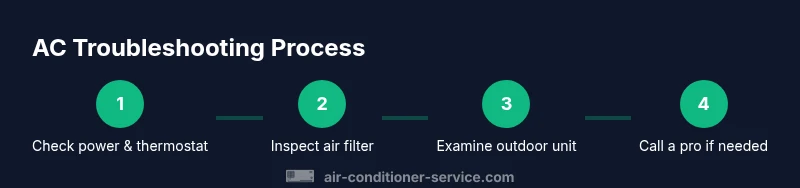
A safe, methodical approach helps you identify simple faults without risking harm or voiding warranties. Start with basic checks: confirm the thermostat is set correctly, replace disposable air filters, and verify the indoor blower is running. If these steps don’t restore comfort, inspect the outdoor condenser for debris, ensure the condensate drain isn’t blocked, and look for ice on the evaporator coil. Use a digital multimeter to test basic electrical connections and voltage at accessible components, but never open sealed circuits or handle refrigerant. Document findings with photos and notes to share with a technician. Remember, some issues require licensed service, especially refrigerant handling or high-voltage work. This balanced approach lets you handle the easy fixes and prepares you for professional help when needed.
When to call a professional in Houston's climate
Certain problems require a licensed HVAC technician, particularly refrigerant leaks, capacitor or compressor failures, and electrical wiring concerns. If you notice persistent warm air, ice on coils, tripped breakers, or chronic short cycling after basic checks, schedule a pro visit. Houston summers stress cooling systems, so timing matters; plan ahead before heat waves hit. A professional can verify refrigerant charge, diagnose unique refrigerant-type issues, assess duct leakage, and perform precision tuning that improves efficiency. Always request a written estimate, verify licensing, and ask about warranties on repairs. If you smell burnt insulation or see water or refrigerant staining around the unit, treat it as urgent and seek prompt service.
Choosing the right technician in Houston
Selecting the right technician means balancing expertise, transparency, and value. Look for HVAC pros with current licenses, clear written estimates, and demonstrated experience with your system type (central, ductless, or window units). Request references, read reviews, and confirm they comply with safety standards and industry best practices. Ask about diagnostic fees, expected repair timelines, and warranty coverage for parts and labor. A reputable technician will inspect both indoor and outdoor components, explain options in plain language, and help you weigh DIY fixes against full or partial replacement when appropriate. In Houston, where summers demand reliable cooling, dependable service is essential, so prioritize responsiveness and a proven track record.
Maintenance routine to prevent future breakdowns
Preventive maintenance is your best defense against surprise failures during peak season. Create a simple schedule: replace or clean air filters every 1-3 months, inspect attic insulation around the ducts, and clean the outdoor condenser coils at least twice a year. During maintenance visits, technicians should check refrigerant levels if applicable, test electrical connections, inspect the condensate drainage, and verify thermostat calibration. Clean air ducts if you notice excessive dust or musty smells, and seal leaks in the ductwork to improve efficiency. In Houston, with high humidity and dust, a proactive approach reduces energy consumption and extends the life of your system.
Cost factors and budgeting for repairs
Repair costs vary with the issue, system type, and local labor rates. While it’s common to face questions about price, focus on value: the expected lifespan extension, the impact on comfort, and long-term energy savings. A certified technician can provide a written estimate after a thorough diagnostic, including parts and labor. When budgeting, consider routine maintenance as a cost saver over time and discuss options for replacement versus repair if efficiency is poor or the unit is aging. By planning ahead, you can avoid emergency repairs and keep your home comfortable in Houston’s hot seasons.
How to prepare for a service visit
Preparation helps the technician diagnose faster and reduces the risk of unnecessary repairs. Gather model and serial numbers, note recent symptoms with dates and times, and document any steps you’ve already taken. Clear access to the outdoor condenser and indoor air handler, remove obstructions around the unit, and have a contact phone number available. If you have a preferred timing window, share it and confirm the visit window. Finally, ensure pets and children are kept away during the service to maintain safety for everyone.
Tools & Materials
- Digital multimeter(Test voltage at electrical components)
- Screwdriver set (Phillips & flathead)(Access panels and service screws)
- Safety gloves(Protect hands during inspection)
- Safety glasses(Eye protection against debris)
- Flashlight or headlamp(Illuminate dark compartments)
- Shop vacuum or brush(Clean dust from coils and ducts)
- Thermometer / humidity meter(Assess indoor climate conditions)
- Duct tape and sealant(Temporary sealing for leaks)
Steps
Estimated time: 60-90 minutes
- 1
Power down and confirm safety
Begin by turning off power at the thermostat and the main service disconnect. This prevents shock or accidental compressor startup while you inspect components. Verify the system is not energized by testing a few accessible controls after turning off power.
Tip: Always de-energize at the breaker first, then at the thermostat. - 2
Check thermostat settings and wiring
Ensure the thermostat is set to cool and that the temperature setpoint is below the room temperature. Inspect wires for signs of wear, loose connections, or corrosion and reseat any loose cables.
Tip: If you must adjust wiring, take a photo first and consult the manual. - 3
Inspect and replace the air filter
A clogged filter reduces airflow and strains the blower. Remove the filter, check for dirt, and replace it with a properly rated filter for your system. A clean filter improves efficiency and comfort.
Tip: Note the MERV rating of your filter and avoid overcrowding with too-high resistance. - 4
Inspect ductwork and outdoor condenser
Check for visible leaks, loose connections, or crushed ducts indoors. Clear debris around the outdoor condenser and show respect for safe clearance. Clean condenser fins with a soft brush if dusty.
Tip: Keep at least 2 feet of clearance around the condenser for airflow. - 5
Test basic electrical connections
Carefully unplug the unit and use a multimeter to check voltage at accessible components like contactors and capacitors. Look for signs of overheating or burned smells. Do not touch live components.
Tip: If you notice a swollen capacitor, stop and consult a pro. - 6
Run a controlled test cycle
Restore power and run the system for a short cycle. Observe whether the fan and compressor engage, and listen for abnormal noises. Note any short cycling or insufficient cooling.
Tip: Document timing and behavior to share with a technician. - 7
Decide on next steps
If basic checks don’t restore performance or if there are refrigerant, electrical, or compressor concerns, plan for a professional assessment. Use the findings to guide your technician’s questions and the repair scope.
Tip: Don’t delay if cooling is drastically reduced or strange smells arise.
Common Questions
What signs indicate I need air conditioner repair in Houston?
Common signs include weak cooling, frequent cycling, unusual noises, and moisture around the unit. If these persist after basic checks, schedule a professional evaluation.
Common signs include weak cooling and unusual noises. Schedule a professional evaluation if they persist after basic checks.
Can I diagnose thermostat problems myself?
Yes, you can verify settings, replace batteries, and ensure proper wiring. If the thermostat still misreads temperatures or fails to respond, a pro should inspect the control system.
You can check settings and batteries, but if it still misreads, have a professional inspect it.
Is it safe to recharge refrigerant myself?
No. Refrigerant handling requires licensed technicians due to health and environmental risks and legal regulations.
Refrigerant work should be left to a licensed technician.
How long does a typical repair take?
Most repairs are completed within a few hours, but complex diagnostics or parts replacement can take longer. A pro will provide an estimated timeline after inspection.
Most fixes are done in a few hours; more complex cases take longer.
What monthly maintenance should I perform?
Check and replace filters, look for leaks around the indoor unit, and ensure outdoor clearance. Schedule professional tune-ups biannually.
Change filters monthly and have a pro tune-up twice a year.
How should I choose a Houston technician?
Look for licensed, insured technicians with clear estimates, warranties, and good local reviews. Ask about service guarantees and parts availability.
Choose a licensed pro with clear estimates and a good warranty.
What should I do to prepare for a service visit?
Clear access to the unit, note symptoms, gather model/serial numbers, and prepare a list of questions. Remove valuables from the work area.
Clear access and have notes ready before the visit.
Watch Video
The Essentials
- Diagnose basic issues safely before calling a pro
- Regular maintenance extends system life in Houston's climate
- Know when to DIY and when to escalate to a licensed technician
- Prepare evidence and documents for efficient service
- Preventive care reduces peak-season failures