Air Conditioner Drain Line Cleaner: A Practical DIY Guide
Learn how to safely use an air conditioner drain line cleaner to prevent clogs, odors, and water damage. This Air Conditioner Service guide covers when to clean, cleaner types, and a safe maintenance routine for homeowners and renters.


Learn how to safely clean an air conditioner drain line using a dedicated cleaner. This quick guide covers when to clean, what tools you need, and the steps to prevent clogs. According to Air Conditioner Service, regular drain line maintenance extends system life and reduces odors, especially in humid months. Follow the steps to minimize water damage and avoid expensive repairs.
Why Drain Line Cleaning Matters
Air conditioners condense moisture. The condensate travels through a drain line to the exterior, but mineral scale, algae, and dust can accumulate. If the line becomes clogged, water can back up into the evaporator pan, causing mildew odors, water damage, and even mold growth in the home. Regular use of an air conditioner drain line cleaner helps keep the line clear and prevents costly service calls. In this guide from the Air Conditioner Service team, you’ll learn why cleaning matters, what products to use, and a safe, effective process you can follow. The right cleaner dissolves buildup without harming PVC or metal components, and paired with routine maintenance, it supports efficient cooling and better indoor air quality.
Signs Your Drain Line Needs Cleaning
Visible signs include water pooling near the indoor unit, a musty smell, or a slow drip that backs up into the pan. If the line is blocked, you may notice higher humidity levels, damp spots on walls or ceilings, or persistent condensation. A clogged drain line can trigger the condensate switch, shutting the system down to protect your home. In homes with mineral buildup, algae, or mold, using a drain line cleaner designed for HVAC condensate lines is more effective and gentler on components than household products. Always refer to the product directions for an air conditioner drain line cleaner and avoid mixing cleaners.
Drain Line Cleaner Options: Liquid, Foaming, Enzymatic
There are several categories of cleaners designed for HVAC drain lines. Liquid cleaners are poured into the access port and travel down the line to break up buildup. Foaming cleaners cling to the interior surfaces, extending contact time to dissolve deposits. Enzymatic cleaners use microbes to digest organic matter, leaving fewer residues and reducing the risk of harsh chemical reactions. When choosing an air conditioner drain line cleaner, consider your system type, the line diameter, and whether you prefer fast-acting liquids or long-acting enzymes. Always follow label directions and never mix products.
Safety, Prep, and Environment Considerations
Safety first: turn off power to the indoor unit at the breaker and disable the thermostat before starting. Wear eye protection and gloves to guard against splashes. Clear the area and place towels or a bucket to catch any runoff. Use cleaners specifically designed for air conditioner drain lines to avoid corroding metal components or PVC, and never use bleach or other household cleaners in the condensate line. After applying cleaner, allow the recommended dwell time, then flush with water as instructed by the product. Dispose of any waste according to local regulations.
Maintenance Routine to Keep It Clear
Establish a simple schedule to inspect and clean the drain line at least twice a year, and after heavy cooling seasons. Record the date and any observations, such as odors, water pooling, or slow drainage. Incorporate a proven air conditioner drain line cleaner into your routine if buildup persists, but avoid overuse. Pair cleaning with a general maintenance check for your AC: replace or clean the drain pan, verify the condensate pump (if present), and confirm proper airflow. The Air Conditioner Service team recommends treating drain line care as part of seasonal service to protect your home and ensure efficient cooling.
Tools & Materials
- Safety goggles(Protect eyes from splashes)
- Nitrile gloves(Keep hands clean and protected)
- Air conditioner drain line cleaner kit(Follow label directions; choose a product compatible with your system)
- Cleaning bucket(Use for catching runoff)
- Wet/dry vacuum (optional)(Helpful to capture debris or discharge)
- Old towels or rags(Contain drips and spills)
- Measuring cup (optional)(For measuring cleaner if needed)
Steps
Estimated time: 40-60 minutes
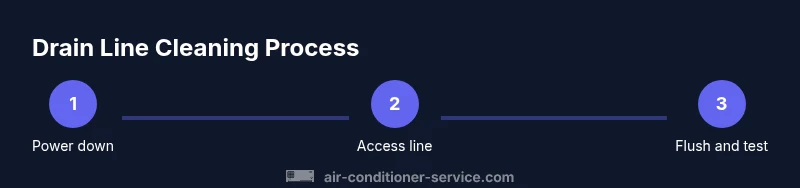
- 1
Power down and prep
Turn off power at the breaker and the thermostat to disable the indoor unit. This minimizes the risk of electric shock while you work and prevents the unit from cycling during maintenance.
Tip: Use a non-contact tester to confirm no voltage before touching any internal components. - 2
Access the drain line clean-out
Locate the condensate drain line access port or clean-out near the indoor unit. If needed, remove the service panel to reach the drain pan and clean-out. Keep a bucket ready to catch any residual water.
Tip: Label the access point for easy future maintenance. - 3
Clear visible obstructions
Gently remove loose debris from the clean-out using a small brush or pipe cleaner. Do not pry or crush the line. Removing obstructions helps the cleaner travel through the line more effectively.
Tip: Have towels ready to catch drips and protect surrounding surfaces. - 4
Apply air conditioner drain line cleaner
Pour or inject the recommended amount of cleaner into the clean-out port according to the product label. Allow the product to dwell for the specified time to break down buildup before flushing.
Tip: Never mix cleaners; follow the label exactly for safety and compatibility. - 5
Flush the line and remove residue
Flush the line with water as directed by the cleaner’s instructions. Use a wet/dry vacuum to capture any discharge if available. Wipe the area dry to prevent new mildew growth.
Tip: If flow remains slow after flushing, repeat the dwell and flush step or move to a professional service. - 6
Test drainage and reassemble
Restore power, run the HVAC system on a low setting, and observe whether the condensate is draining normally. Reinstall any panels and confirm there are no leaks around the drain pan.
Tip: Keep a maintenance log with date, cleaner used, and results for future reference.
Common Questions
What is the best cleaner for an air conditioner drain line?
Use a cleaner designed for HVAC condensate lines; avoid household cleaners that can corrode PVC or metal components. Always follow the product directions.
Choose a cleaner made for HVAC condensate lines and follow the directions closely.
Can I use bleach in my drain line?
Bleach and other caustic cleaners are generally not recommended for condensate drains as they can damage the line and pumps and may release fumes. Use products designed for HVAC drains.
Bleach is not recommended for most condensate drains.
How often should I clean the drain line?
A practical rule is to clean twice a year, ideally during seasonal maintenance, plus after heavy cooling periods or if you notice slow drainage.
Twice a year is a good baseline.
Do I need a professional to clean the drain line?
DIY cleaning is feasible for minor clogs with proper precautions. If you spot mold, persistent odors, or heavy buildup, or if you’re unsure, contact a professional.
If in doubt, call a pro.
What are signs of a clogged drain line after cleaning?
If water continues to back up or you notice new odors, the line or pan may still be blocked. Consider a professional inspection if issues persist.
If drainage remains slow, seek professional help.
Watch Video
The Essentials
- Turn off power before starting any maintenance.
- Use a cleaner specifically designed for HVAC drain lines.
- Follow dwell times and rinse thoroughly to prevent residues.
- Inspect for signs of mold or water damage after cleaning.
- Schedule regular drain line care as part of seasonal maintenance.