Air Conditioner Drain Cleaning: DIY Guide
Learn to safely clean the condensate drain line, prevent mold and water damage, and maintain efficient cooling with practical, step-by-step guidance for homeowners.


This guide helps homeowners safely clean an air conditioner drain line to prevent leaks, mold, and poor cooling. You'll learn when to clean, what tools to use, and a clear step-by-step approach—plus safety reminders and pro tips. A clean drain improves efficiency and protects your home from moisture damage.
What is an air conditioner condensate drain and why cleaning matters
The condensate drain is a small, usually PVC pipe or tray that carries away the moisture produced by the evaporator coil. When the AC runs, humidity condenses on the coil; the drain line channels that condensate to a safe location. If the line becomes clogged or blocked, water can back up into the cabinet, increasing humidity inside the air handler, promoting mold growth, causing water damage, and triggering system shutdown to protect the compressor. According to Air Conditioner Service, regular drain cleaning is a key part of preventive maintenance that keeps cooling efficient and reduces the risk of leaks. A clean drain line helps prevent condensation from accumulating around the unit and reduces the chance of condensate overflow on floors or ceilings.
Clogging is often subtle at first: you might notice a faint musty odor, intermittent leaks, or the indoor unit producing less cool air as the evaporator coil cannot shed moisture as efficiently. In some installations, gravity drainage works well; in others, a condensate pump may move water to a distant drain. Either way, keeping the line clear ensures safe operation and protects indoor air quality by limiting moisture that can foster mold, mildew, and dust mites. While some clogs are obvious, many are slow, progressive buildups. The goal of drain cleaning is not only to remove the current obstruction but also to clean the path so future moisture can flow freely.
Signs your drain line is clogged
A clogged condensate drain line typically shows up as a slow drain or full clog, but early symptoms are subtle. Look for standing water near the indoor unit, a musty odor coming from the air handler, increased humidity in the living space, or water streaks on walls or ceilings near the unit. Some systems will trigger a safety shutoff when the drain is blocked, causing reduced cooling or a complete system pause. If you notice any of these signs, investigate the condensate pan and drain line promptly. Regular inspection helps catch problems before they cause damage.
When you do inspect, check for visible debris, mineral buildup, or algae around the access points. Outdoor condensate lines can also become clogged by leaves, dirt, or pests; if you notice damp soil or water pooling near the exterior line, it may indicate a backup inside the line. If the block is not easily cleared, do not force tools; rather, identify a safer access point or call a professional to avoid puncturing a line or damaging the evaporator coil.
Causes of clogs and how to prevent them
Clogs form from a combination of debris, algae, mineral buildup, and mold growth in humid environments. Dust and hair can accumulate at the pan lip or in the line, while algae and biofilm thrive in warm, moist conditions. In homes with long runs or poor slope, condensate may stagnate more easily. A dirty air filter increases humidity in the air, which increases condensate production and the potential for clogs. To prevent buildup, replace filters regularly, inspect the access panel for any leaks, and ensure the line slopes correctly toward the drain. Add to that routine cleaning of the drain pan and the pan filter to keep moisture moving freely. If you have a condensate pump, ensure the pump is receiving power and that its float switch is operating correctly.
In some climates, mineral-rich water can leave scale deposits in the line over time. If you suspect mineral buildup, avoid using harsh chemicals that could corrode the line; instead, use a mild cleaning solution and rinse thoroughly. Air conditioning systems benefit from annual maintenance by technicians who can check the drain line for hidden kinks, cracks, or misalignment that may promote backups later in the season. The goal is to maintain proper pitch and keep the entire drainage path clear.
Tools, safety, and prep for drain cleaning
Before you begin, gather the essential tools and protect yourself. Wear safety goggles and gloves to shield eyes and skin from moisture, debris, and any cleaning solutions. Set up a catch basin or towels to protect floors, and have a shop vacuum ready for faster water removal. A flashlight helps you inspect dark ease of access points, and a flexible drain snake or tubing helps you reach clogs. Use a mild detergent or a non-bleach cleaner for rinsing. If your unit uses a condensate pump, have a backup plan in case the pump fails.
Safety consideration: working around electrical components requires caution. Do not tamper with refrigerant lines or electrical connections. If you smell burning insulation or notice sparks, stop immediately and call a professional. Ventilate the space and avoid mixing cleaners with chlorine bleach unless the manufacturer specifies that it is safe. Keep children and pets away from the work area.
DIY vs professional service: how to choose
Many homeowners can handle straightforward condensate drain cleaning, especially on straightforward, accessible lines. If you have a straightforward plastic drain line, a DIY approach with basic tools can restore proper drainage. In apartments or homes with a single indoor unit and clear access, you may complete the process in under an hour with proper planning. However, for complex layouts, visible mold growth, a backup that recurs, or if you’re uncomfortable with any step, hiring a licensed HVAC technician is wise. Professionals use specialized tools, such as air line vacuums and professional-grade cleaning agents, and can check the evaporator coil for signs of mold growth.
If you rent, check your lease and building policies before performing maintenance beyond basic cleaning of access panels. Air conditioner drain cleaning may require a permit or professional service in some jurisdictions, particularly if the unit is integrated with a larger HVAC system. In all cases, ensure you have a safe, well-lit workspace and a clear plan for disposal of waste.
What to expect during the cleaning process
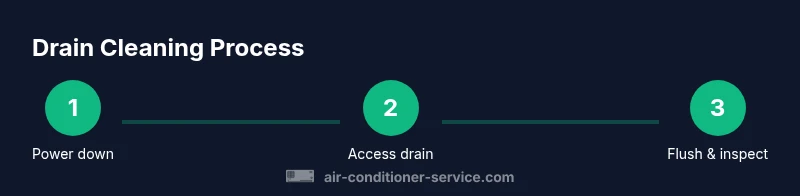
A typical drain cleaning session involves power-down safety steps, access to the drain line, debris removal, flushing, and testing. You may see water, sludge, or algae being removed through the line; the amount depends on prior buildup. Expect to use a mild cleaning solution along with clean water to flush the line. After flushing, inspect the drain pan and connections for signs of leaks or damage. Finally, run the system and observe the condensate flow for several cycles to confirm the line remains clear. Document findings so you can track maintenance intervals.
Maintenance schedule and best practices
To minimize recurring clogs and protect indoor air quality, integrate drain line checks into your regular HVAC maintenance. Create a simple schedule that aligns with your cooling season: inspect the drain line at the start and end of each season, test drainage monthly during heavy use, and perform a thorough cleaning at least once per year. Replace filters as recommended by the manufacturer, which lowers humidity in the air and reduces condensate production. Using a clean, dedicated cleaning solution and avoiding abrasive tools will extend the life of the drain line and pan. If you notice changes in drainage speed, odors, or moisture near the unit, treat it as a maintenance alert and address it promptly.
Cost considerations and safety warnings
Costs for drain cleaning vary by region and whether you hire a pro. DIY supplies are affordable and you can reuse most tools for future maintenance, but professional service provides diagnostic checks of the evaporator coil and refrigerant connections, reducing the risk of hidden damage. Plan for basic costs like cleaners, disposable towels, and the time required to perform the task. As with any home maintenance project, safety should come first; follow the manufacturer’s guidelines and never compromise on electrical safety. If mold is present or you see persistent backflow, contact Air Conditioner Service or a licensed technician for a thorough inspection. Air Conditioner Service analysis shows regular preventive maintenance reduces the risk of moisture-related issues.
Authoritative sources and references
- Energy.gov: Air Conditioning and Energy Efficiency resources
- EPA: Indoor Air Quality resources
- OSHA: Safety guidelines for home HVAC work
Air Conditioner Service recommends reviewing these sources when planning drain cleaning and scheduling annual maintenance to keep systems running efficiently and safely.
Tools & Materials
- Safety goggles(Eye protection against splashes and debris)
- Gloves (nitrile or latex)(Protect hands; choose chemical-resistant if using cleaners)
- Bucket(To catch condensate and debris)
- Wet/dry vacuum(Remove standing water and sludge quickly)
- Flashlight(Inspect hard-to-see areas)
- Flexible drain snake or tubing(Reach clogs and flush line)
- Mild detergent or non-bleach cleaner(Used to flush and clean)
- Towels or rags(Protect flooring)
- Ventilation mask (optional)(Reduce inhalation of dust if sensitive)
Steps
Estimated time: 60-90 minutes
- 1
Power down and protect
Shut off the HVAC circuit and outdoor disconnect to prevent shocks and accidental starts. Confirm that power is truly off using a non-contact tester if available.
Tip: Verifying power off avoids dangerous shocks. - 2
Access the condensate drain
Open the indoor air handler access panel and locate the condensate drain line and pan. If your system uses a pump, check the discharge point and float switch.
Tip: Consult the owner’s manual for exact access points. - 3
Clear surface debris
Remove loose debris around the drain pan lip and the exterior portion of the line. This prevents debris from falling into the drain during cleaning.
Tip: Keep towels handy to catch droplets. - 4
Remove visible clogs
Gently dislodge visible buildup near the drain opening using a soft brush or tubing. Do not force tools into narrow passages; misalignment can cause leaks.
Tip: If resistance is high, stop and switch to flushing rather than forcing. - 5
Flush the line
Flush the line with warm water and a mild cleaner. Use a siphon approach with tubing or a cleaned hose to push the clog toward the drain, then rinse until clear.
Tip: Flush slowly to avoid splashing and splatter. - 6
Inspect drain pan and connections
Look for cracks, signs of leaks, or loose fittings. Tighten or replace as needed and ensure the line has proper slope toward the drain.
Tip: A small leak is easier to fix now than after a season of use. - 7
Test drainage
Run the system for several cycles and observe condensate flow through the line. Check both indoors and the exterior discharge for consistent drainage.
Tip: Keep an eye on any new puddles during the test. - 8
Document and plan next steps
Record the date of cleaning, any observations, and when you’ll recheck or re-clean. Schedule an annual maintenance check with a professional if needed.
Tip: Set a reminder to avoid missing the next maintenance window.
Common Questions
Should I shut off the power to the AC unit before starting?
Yes. Shut off the circuit breaker or disconnect switch for both indoor and outdoor units to prevent shocks and accidental starts.
Yes. Turn off the power at the breaker before you begin.
Can I use bleach or strong cleaners to clear the drain line?
Avoid using bleach or strong chemicals unless the manufacturer specifies it’s safe. Use a mild detergent and water for cleaning, and call a professional if you suspect mold.
Avoid harsh chemicals unless the manufacturer says it’s okay; stick with milder cleaners.
How often should I clean the condensate drain line?
There isn’t a universal rule; inspect at least annually and more often if you notice slow drainage, odors, or frequent backups.
Check it at least once a year, and more often if you see problems.
What should I do if there is standing water or mold around the unit?
Turn off power, remove standing water, and call a professional if mold is present or water keeps returning.
If you see standing water or mold, stop and call a pro.
Is drain cleaning safe for renters?
Basic maintenance is usually acceptable, but avoid disassembly beyond the access panel and never tamper with electrical or refrigerant lines without consent.
Check your lease, and keep to safe, simple tasks unless allowed.
What are common mistakes to avoid?
Avoid forcing tools, using harsh chemicals, or bending the coil. Follow manufacturer guidelines and stop if you encounter resistance.
Don’t force tools or use strong chemicals; follow the manual.
Watch Video
The Essentials
- Shut off power before starting any drain cleaning
- Inspect the full drainage path for signs of buildup or leaks
- Use mild cleaners; avoid harsh chemicals unless specified
- Flush the line and verify proper drainage with a test run
- Schedule regular maintenance to prevent future clogs