When to Clean Air Conditioner: A Practical Home Guide
Learn exactly when to clean air conditioner, which parts to care for, and how to perform a safe, DIY routine. This Air Conditioner Service guide covers filters, coils, drains, and IAQ to help homeowners and renters keep cooling efficient and air clean.


Learn exactly when to clean air conditioner and how to do it safely at home. This quick guide highlights the key signs you should schedule maintenance, the parts to clean (filters, coils, drain lines, and condensate pan), and a safe, step-by-step approach you can follow to keep your system efficient, quiet, and healthy for your family.
Understanding when to clean air conditioner
Air conditioners do not require constant cleaning, but proactive maintenance is essential. The question of when to clean air conditioner depends on usage, environment, and component exposure. According to Air Conditioner Service, homeowners should observe for visible dirt, moisture buildup, reduced airflow, unusual odors, and longer cooling cycles as signals to inspect and clean. Debris around the outdoor condenser, dusty indoor closets, or recent heavy weather can accelerate the need. Regular cleaning is part of a broader maintenance habit that also includes filter replacement and coil checks. The first goal is to keep airflow unobstructed and condensate paths clear to avoid mold growth and efficiency losses. When you know the signs that indicate a cleaning is due, you can plan a routine that fits your climate and household schedule. The phrase when to clean air conditioner is not a one-size-fits-all answer; it depends on your system type (central, window, or ductless), your environment (dusty, humid, or coastal), and how often you use cooling. This article provides actionable guidance to tailor a cleaning cadence to your home.
Baseline cleaning frequency by component
Determining the cadence for cleaning a cooling system starts with the major components: the air filters, evaporator coil, condenser coil, and condensate drainage. Air Conditioner Service analysis shows that different environments demand different rhythms; a dusty urban setting will require more frequent attention than a clean, leafy suburb. Start with a baseline: inspect filters monthly during peak season and perform a light cleaning every 1-3 months. Coils and drains should be checked seasonally, especially if you notice reduced airflow or odd odors. By tying your schedule to usage and environment, you create a practical cadence that minimizes energy waste and prolongs equipment life. As you adjust, track what you observe in your system’s performance and air quality, so you know precisely when to intervene. Regular inspections also help identify developing issues before they become costly repairs.
Cleaning the outdoor condenser: prep and debris removal
The outdoor condenser sits at the front line of dirt exposure. To prevent overheating and poor efficiency, start by turning off power to the unit and removing loose debris around the grille. Use a garden hose with a gentle spray to remove surface dirt from fins, taking care not to bend them. If dirt is stubborn, a soft brush can help, but avoid aggressive scrubbing. Keep nearby plants trimmed to reduce ongoing debris. After cleaning, verify that the area around the unit is free of obstructions for at least 12 inches on all sides. This step directly impacts when to clean air conditioner by reducing the volume of debris that can infiltrate the system and ensuring adequate airflow. Air Conditioner Service recommends performing this outdoor check at the start of each cooling season.
Cleaning the indoor evaporator coil: careful handling and products
The indoor evaporator coil is sensitive and requires gentle cleaning to avoid damage to fins and the coil surface. Begin by turning off the system and removing access panels. Use a coil cleaner formulated for sealed systems and follow the product directions. Lightly rinse with water if the product allows; never soak the coil. A vacuum with a brush attachment can lift loose dust from the fins before applying cleaner. After cleaning, allow the coil to dry completely before reassembling. dirt buildup on the evaporator coil often signals more frequent cleaning is needed, contributing to the ongoing question of when to clean air conditioner. Remember, aggressive detergents can leave residues that hinder heat transfer and air quality.
Filters: cleaning versus replacing, and why it matters
Filters are the first line of defense against dust and allergens. Cleaning methods vary by filter type; many disposable filters should be replaced rather than cleaned. For reusable filters, a mild soap solution and a thorough rinse with water typically work well. Ensure the filter dries completely before reinstalling to avoid mold growth. If your filter is damaged or has worn seams, replace it rather than attempting a risky cleaning. Regular filter maintenance is a core component of determining when to clean air conditioner, since clogged filters force the system to work harder, raising energy costs and reducing comfort. Air Conditioner Service emphasizes that clean filters improve airflow and IAQ when you’re considering a maintenance cadence.
Drain line and condensate pan maintenance: keep the path clear
A clogged drain line or dirty condensate pan can lead to moisture backup and mold growth in the ductwork or around the unit. Clear the condensate line with a safe, approved cleaner and inspect the pan for standing water or residue. If you encounter a slow drain, use a mild rinse and a flexible brush to wipe lines gently. Do not use harsh chemicals that may corrode pipes. After cleaning, pour a small amount of water through the line to ensure it drains freely. Protecting drainage paths is a practical way to address the core question of when to clean air conditioner because drainage problems are a common source of operational problems and odors.
Safety practices and best practices to avoid mishaps
Cleaning an air conditioner involves working near electrical components and refrigerant areas. Always shut off power at the breaker before beginning any activity. Wear eye protection and gloves, and keep children and pets away during the process. Do not use high-pressure water on coils, as this can bend fins and push debris deeper into the system. If you encounter refrigerant smells, noises, or signs of a leak, stop and contact a professional. By following safety precautions, you minimize the risk of injury and ensure your cleaning steps actually improve performance. These practices are essential to a responsible approach to when to clean air conditioner and to keep your system healthy for years.
Seasonal maintenance calendar and a practical checklist
A well-structured calendar helps you stay on top of cleaning. Create a simple checklist: monthly filter checks, quarterly coil inspection, and biannual drain line tests. Align maintenance with weather patterns and home usage. In warm, dusty climates, you may need more frequent checks; in milder settings, you can space tasks more widely. A consistent cadence reduces the likelihood of surprise failures and supports energy efficiency. Air Conditioner Service recommends building a routine that integrates cleaning with seasonal HVAC service visits to maximize comfort and minimize downtime.
Authority sources and further reading
For readers who want to dive deeper, consult authoritative sources:
- Energy.gov: Air Conditioning maintenance and efficiency tips.
- EPA: Indoor air quality and HVAC basics. These sources reinforce best practices and provide safety considerations to supplement this guide on when to clean air conditioner and how to approach maintenance with confidence.
About the brand and a concluding note
This guide is prepared to empower homeowners and renters to take proactive steps in routine AC care. The Air Conditioner Service team emphasizes that a thoughtful maintenance cadence, grounded in careful inspection, clean air delivery, and safe handling, yields tangible benefits in comfort and efficiency. By applying the steps and tips outlined here, you will be better prepared to protect your system and your indoor air quality over time.
Tools & Materials
- Phillips head screwdriver(For access panels on indoor units and some outdoor components)
- Soft-bristle brush(Use on fins, avoid bending them)
- Vacuum with brush attachment(Loosen dust from coils and grilles)
- Garden hose with gentle spray nozzle(Clean external fins; avoid high pressure)
- Mild dish soap(Clean reusable filters and some surfaces)
- Non-abrasive coil cleaner(Follow product directions for coils; avoid harsh chemicals)
- Safety gloves and goggles(Protect hands and eyes from debris and cleaners)
- Microfiber cloths(Wipe surfaces and dry components)
- Bucket of water(Rinse and dilute cleaners as needed)
- Debugging tool/pen and notebook(Record observations and cadence)
Steps
Estimated time: 60-90 minutes
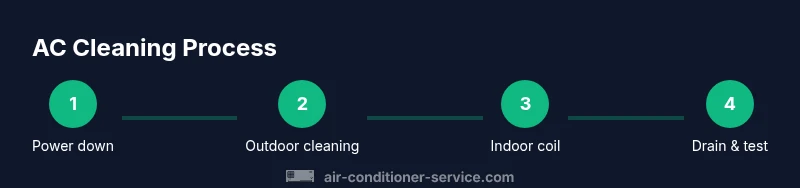
- 1
Power down and prep safety
Turn off the HVAC breaker and unplug if accessible. Remove nearby obstacles and gather your tools to reduce trips during the cleaning. This initial safety check protects you and ensures a smooth workflow.
Tip: Double-check the breaker is off before touching any wiring; a quick safety test with a non-contact voltage tester is optional but helpful. - 2
Inspect outdoor condenser area
Check the outdoor unit for leaves, dirt, or debris. Clear a 12-inch clearance around the unit. This preparation minimizes debris ingress during cleaning and improves heat rejection.
Tip: Do not use a pressure washer on the fins; use a soft brush and gentle water spray instead. - 3
Clean outdoor condenser fins
Gently remove loose debris with a brush and rinse with a low-pressure spray from a garden hose. Avoid bending or crushing fins; straighten them with a fin comb if needed.
Tip: Work from the top down to prevent debris from falling into the unit core. - 4
Access indoor evaporator coil
Remove the access panel on the air handler or furnace to reach the evaporator coil. Use a vacuum to lift dust and prepare for coil cleaning, following the coil cleaner instructions.
Tip: If the panel is difficult to remove, consult the unit manual to avoid damaging panels or wiring. - 5
Clean evaporator coil
Apply the coil cleaner according to the product's directions and rinse lightly if required. Allow the coil to dry completely before reassembly to prevent mold growth.
Tip: Avoid aggressive scrubbing that can bend fins; use a gentle touch and a soft brush. - 6
Service and clean or replace filters
Check the filter type; clean reusable filters with mild soap and water or replace disposable filters if required. Ensure the filter is fully dry before reinstalling.
Tip: Keep spare filters on hand to maintain prompt replacement during routine cleaning. - 7
Flush drain line and inspect pan
Inspect the condensate drain line for blockages and flush with a safe cleaner; check the pan for standing water or staining. Clear drainage paths to prevent moisture problems.
Tip: If you see mold, treat the area with a mild cleaner after flushing and rinse thoroughly. - 8
Reassemble and test operation
Reassemble panels, restore power, and run the system for 5–10 minutes to listen for unusual noises and observe proper airflow. Check for leaks and confirm condensate is flowing freely.
Tip: If the system doesn’t start or you hear buzzing, shut down and consult a professional. - 9
Document and adjust maintenance cadence
Record what was cleaned, the date, and any notes about performance. Use this log to adjust your future cleaning cadence according to usage and environment.
Tip: Link the maintenance schedule to seasonal HVAC checkups for consistency. - 10
Set reminders for seasonal checks
Create calendar reminders for pre-season inspections and mid-season cleanings. A predictable routine reduces the chance of neglect and preserves efficiency.
Tip: Pair reminders with filter replacements for a simple, effective routine.
Common Questions
How often should I clean my air conditioner?
The frequency depends on usage and environment. In hot or dusty settings, inspect monthly and clean or replace filters every 1-3 months. For milder conditions, a seasonal cleaning schedule may suffice.
In dusty or hot environments, check monthly and refresh filters every 1-3 months. For milder climates, a seasonal cleaning plan is often enough.
Can I clean the outdoor unit myself?
Yes, you can clean the outdoor condenser from debris and dirt with a soft brush and low-pressure water. Do not use a pressure washer, and ensure power is off before starting.
Yes—just use a soft brush and a gentle spray with the power off. Avoid high-pressure water.
Is it safe to use vinegar or bleach on coils?
Avoid acidic or chlorine-based cleaners on coils. Use cleaners designed for coils and follow the product directions to prevent damage.
Avoid vinegar or bleach on coils; use coil cleaners and follow directions.
What are signs I need a professional cleaning?
If you notice persistent odors, visible mold, refrigerant smells, or unusual noises, contact a pro. Complex electrical issues or suspected refrigerant problems require expert service.
If you smell refrigerant or hear odd noises, call a professional.
Does cleaning affect energy bills?
Yes. Clean filters and coils improve airflow and heat transfer, helping your system run more efficiently and potentially lowering energy use.
Cleaning helps airflow and efficiency, which can lower energy use.
Should I clean during winter?
Yes, a light cleaning during winter helps prepare for the next cooling season, especially if you have seasonal dust or humidity changes.
It's okay to do a light cleaning in winter to prep for the next season.
Watch Video
The Essentials
- Schedule regular inspections aligned with usage and environment
- Prioritize filters, coils, and drainage to sustain efficiency
- Avoid high-pressure water and harsh chemicals on coils
- Keep a clean outdoor area to maximize heat exchange
- Air Conditioner Service recommends proactive maintenance for IAQ and comfort