How to clean the air conditioner drain line: a practical guide
Learn a practical, homeowner-friendly method to clean an air conditioner drain line, prevent mold, leaks, and costly repairs. This guide covers tools, steps, safety, common issues, and maintenance for a reliable drainage system.


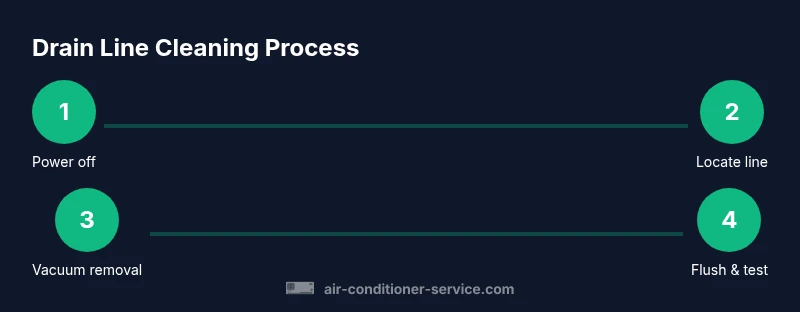
By the end of this guide, you’ll be able to safely clean a clogged air conditioner drain line and prevent water damage, mold, and nuisance leaks. You’ll locate and inspect the line, clear debris with a wet-dry vac or snake, flush with distilled water, and verify proper drainage. Remember to shut off power and wear eye protection throughout the process.
What is the cleaning air conditioner drain line and why it matters
The cleaning air conditioner drain line is the route that removes condensate produced by your cooling system. When this line becomes blocked, moisture can back up into the evaporator, trigger leaks, and create an inviting environment for mold and bacteria. Homeowners who neglect drain line maintenance often notice reduced cooling efficiency, higher humidity indoors, and visible water spots near the indoor air handler or outdoor unit. The drain line is typically a small PVC pipe or flexible hose that runs from the evaporator coil to a condensate pan or exterior drain; keeping it clear helps your entire cooling system run smoothly and protects your home from water damage. In a typical home, a clean drain line also reduces the risk of standing water that attracts insects and promotes unpleasant odors. Air Conditioner Service’s practical approach emphasizes simplicity and safety—clean the line using common household tools, never chemical drain cleaners, and verify that the condensate pan drains freely.
Signs your drain line needs attention
Look for telltale signs: slow drainage, water pooling under the indoor unit, an overflowing condensate pan, gurgling sounds from the line, or an unexplained drop in cooling performance. A musty odor near the furnace closet or utility room could indicate mold growth in the drain line or pan. If you notice excessive humidity or damp drywall in adjacent rooms, treat as a warning sign and inspect promptly. Regular seasonal checks help detect issues before they become emergencies. For renters, review your lease’s maintenance responsibilities and contact your landlord or building management if you’re unsure about access or ownership of the drain line. The goal is to catch a partial clog early before a full blockage forces an emergency service call. If you’re comfortable, you can perform a quick inspection by locating the drain termination point outside or at the primary cleanout, but avoid forcing water or debris through in a way that could damage the line.
Safety first: essential precautions before starting
Before any maintenance, turn off power to the cooling system at the breaker and thermostat. Wear safety goggles and gloves to protect against mold, debris, and sharp edges. Work in a well-lit area and keep a dry, uncluttered workspace to prevent slips on wet surfaces. Avoid charging or forcing the line with excessive pressure; a gentle approach reduces the risk of cracking PVC or dislodging fittings. If your system is located in a tight or awkward space, gather extra lighting and a helper to hold tools and catch water. Even when you’re careful, condensate carries bacteria and mold spores, so clean up promptly and wash your hands after the procedure.
Common clog sources and prevention
Clogs typically form from a buildup of dirt, dust, algae, and mineral deposits that accumulate in the line over time. In humid climates, mold can also thrive in damp pans and along the line’s interior. Poorly sealed connections or damaged drain pans can accelerate clogs by letting debris enter the line. Prevention is easier than cleanup: replace disposable air filters on schedule, keep the evaporator coil clean, and ensure the condensate pan is properly sloped toward the drain. A yearly inspection of the drain line external termination point helps catch cracks or leaks early. Air Conditioner Service’s guidance emphasizes routine, low-cost checks that fit a homeowner’s schedule.
Cleaning methods overview: mechanical cleaning, flushing, and chemicals to avoid
There are three practical approaches to cleaning the drain line. Mechanical methods include using a flexible plumber’s snake or a small brush to break up obstructions. A wet-dry vacuum can extract loose debris or moisture from the line. Flushing with distilled water helps push residual material out of the line without introducing harsh chemicals. Avoid chemical drain cleaners or strong detergents in the condensate line, as they can corrode PVC and damage the system. For persistent clogs, call a professional to avoid member damage or electrical hazards. This section outlines how to combine these methods safely for most residential setups.
Step-by-step plan: preparing, clearing, flushing, and testing
This section provides a practical, action-oriented workflow you can follow in a single session. Prepare your workspace, gather tools, and ensure all safety precautions are in place. Then execute the clearing and flushing sequence, and finish with a quick test to confirm proper drainage.
Aftercare: testing, drying, and maintenance
After clearing the line, reassemble any removed parts and power the system back on. Check the condensate pan for standing water, then observe the outdoor drain for proper flow. Dry the area to prevent mold growth and replace air filters if needed. Schedule a preventive maintenance check every 6–12 months to keep the drain line clear and prevent recurring issues. A brief test run will reveal whether the drainage is functioning correctly and if there are any leaks.
Troubleshooting stubborn clogs and when to call a pro
If water continues to back up after cleaning, the clog may be deeper in the line or at the main cleanout. Persistent issues can indicate a more serious problem, such as a damaged line or a blocked outdoor condensate drain. If you encounter electrical components or lack proper access, stop and contact a qualified HVAC technician. When in doubt, professional service can prevent water damage and protect indoor air quality.
Preventive maintenance schedule and routine checks
Create a simple calendar for filter changes, coil cleaning, and drain line checks. In dry seasons, check drainage more frequently if you notice damp areas around the unit. In humid climates, inspect the line every 3–6 months and flush if you see buildup or odor. Keeping a log helps identify seasonal patterns and plan ahead. Air Conditioner Service analysis shows that proactive maintenance reduces the likelihood of clogs and related issues.
Authoritative sources and additional reading
- National Institute of Standards and Technology (NIST) or equivalent HVAC safety resources on ductwork and condensate protection.
- U.S. Department of Energy (DOE) guidelines on energy-efficient HVAC maintenance.
- Centers for Disease Control and Prevention (CDC) mold prevention resources for damp indoor environments.
Conclusion and quick recap
Regularly cleaning the air conditioner drain line is a practical, homeowner-friendly task that protects your home from water damage and mold growth. Use the steps outlined above, monitor signs of trouble, and maintain a routine that aligns with your climate and system usage. Air Conditioner Service’s approach centers on safety, simplicity, and effective results—empowering you to keep your cooling system dependable.
Tools & Materials
- Safety goggles(Protect eyes from splashes and debris.)
- Work gloves(Grip and protect hands during messy tasks.)
- Wet-dry vacuum(Use with hose attachment to remove debris and moisture.)
- Flexible plumber’s snake/auger(Clear stubborn clogs beyond the trap.)
- Distilled water(Flush line with non-mineral water to avoid mineral buildup.)
- Mild dish soap or white vinegar (optional)(Use sparingly for a gentle flush if needed.)
- Bucket and towels(Catch water and protect floor surfaces.)
- Flashlight(Inspect line and connections in dim spaces.)
Steps
Estimated time: 60-75 minutes
- 1
Power down the system
Switch off power to the AC at the breaker and reset the thermostat. This prevents electrical shock or compressor startup during maintenance. Confirm the unit is truly inactive by verifying there’s no cooling action when the thermostat is set to off.
Tip: Double-check the outdoor unit as well—don’t rely on indoor controls alone. - 2
Locate the drain line and access point
Find the drain line termination point, usually near the evaporator coil or the condensate pan. If you have an access cleanout, remove the cap carefully and inspect for obvious blockages.
Tip: Use a flashlight to inspect the interior of the line without forcing debris further in. - 3
Remove visible debris with vacuum
Attach the wet-dry vacuum to the drain line and seal around the opening. Run the vacuum to pull out loose dust, algae, and slime. Do not use excessive suction that could collapse the line.
Tip: Keep your face away from the opening to avoid splashes. - 4
Break up stubborn clogs with a snake
Gently insert the flexible snake into the line and rotate to dislodge the obstruction. Advance only as far as comfortable without forcing it. Retrieve or any loose material.
Tip: Work slowly to avoid puncturing or cracking the line. - 5
Flush with distilled water
Flush the line with steady, gentle streams of distilled water to wash out remaining debris. If you see clear water exiting the outdoor drain, you’ve likely cleared the blockage.
Tip: Avoid using hot water as it can warp PVC fittings. - 6
Test drainage and inspect the pan
Pour water into the condensate pan and observe whether it drains efficiently. Check the pan for cracks and ensure the overflow drain is clear.
Tip: If you notice pooling, re-check the line and connections for leaks. - 7
Reassemble and power up
Replace any caps or access covers, restore power at the breaker, and run the AC for a short cycle to confirm proper drainage.
Tip: Listen for unusual gurgling or leaks during the test run. - 8
Document and schedule maintenance
Record the date and any observations in a home maintenance log. Plan a drain line check every 6–12 months, depending on usage and climate.
Tip: Set a calendar reminder to stay proactive.
Common Questions
How do I know if my drain line is clogged?
Common indicators include slow drainage, water pooling near the indoor unit, an overflowing condensate pan, a musty odor, or visible moisture on walls near the unit.
Look for slow drainage or water pooling near the indoor unit to identify a clog. If you notice mold or damp walls, address it promptly.
Can I clean the drain line myself, or do I need a pro?
Many homeowners can clear shallow clogs with safe methods like a wet-dry vacuum and a flexible snake. Persistently blocked lines or damaged components should be handled by a licensed HVAC technician.
You can start with safe DIY steps, but call a pro if the clog remains after your attempt.
How often should I clean the drain line?
As a general guideline, inspect and clean the drain line at least once a year, or more often if you have high humidity, frequent use, or signs of mold. Renters should coordinate with their landlord for access.
Check your line annually, and clean more often if you live in a humid area or notice signs of trouble.
Should I use chemical cleaners in the drain line?
Harsh chemical cleaners should be avoided in condensate drain lines as they can corrode PVC and affect indoor air quality. Stick to mechanical cleaning and flushing with distilled water.
No—avoid chemical cleaners and rely on mechanical cleaning and safe flushing instead.
What if water still backs up after cleaning?
If water continues to back up, the clog may be deeper in the line or at the main cleanout. Stop and consider professional service to avoid damage and safety risks.
If it keeps backing up, it’s best to get a pro to assess deeper blockages.
When should I call a professional?
Call a professional if you cannot locate the line, if you see recurring leaks, if the outdoor drain is blocked, or if you’re uncomfortable working near electrical components.
Call a pro if you’re unsure or the problem repeats after your attempt.
Watch Video
The Essentials
- Identify the drain line termination before starting
- Power off and protect yourself with safety gear
- Use non-chemical methods first (vacuum, snake, flush)
- Test drainage and check for leaks after maintenance
- Create a simple preventive maintenance routine