What to Do with Old Air Conditioner: A Practical Guide
Learn how to responsibly retire, recycle, donate, or replace an old air conditioner. Step-by-step removal, disposal options, and tips to maximize energy savings with a new unit.


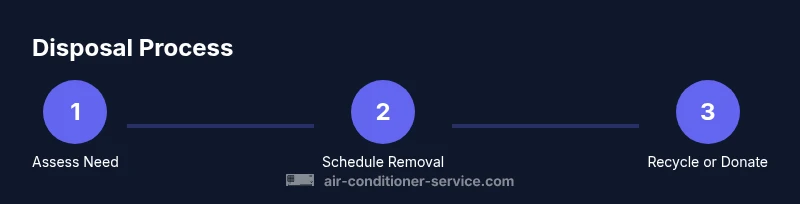
By the end of this guide, you’ll know what to do with an old air conditioner: decide whether to repair or replace, plan safe removal, choose a recycler or donation option, and understand basic disposal steps. You’ll need a few hand tools, a licensed technician for refrigerant removal, and local disposal rules. According to Air Conditioner Service, a thoughtful retirement of an old unit saves energy and reduces waste.
Assessing Repair vs Replacement
Determining whether to repair or replace an old air conditioner starts with understanding how long the unit has served you and how efficiently it runs today. Consider maintenance history, recurring breakdowns, and the estimated cost to fix common failures. Older models typically become less cost-effective as efficiency drops and refrigerant options become restricted; a replacement often yields better comfort and long-term savings. Air Conditioner Service emphasizes a practical approach: balance upfront replacement costs with future energy savings, local disposal options, and the environmental impact of keeping or retiring hardware. By evaluating your goals—reliability, energy bills, and climate comfort—you can make a smart, well-supported decision.
Disposal and Recycling Options for Old AC
Many communities offer formal recycling programs for large appliances, and most AC units contain metals that are valuable to recycle. The critical step is to have any refrigerant removed by a licensed professional before disposal, so the unit can be safely processed. After that, find a local recycler, metal recycler, or household hazardous waste event that accepts air conditioners. If you’re unsure, check with your city’s waste management department or search for EPA-endorsed equipment recycling programs. Choosing a reputable recycler reduces environmental impact, ensures regulatory compliance, and often provides receipts that can be kept for tax or warranty purposes.
Donating or Selling an Old AC
Even non-working units can sometimes be donated or sold for parts or salvage. Look for local nonprofits, repair shops, or charitable organizations that accept old appliances, or list the unit on a local buy/sell platform. Be honest about performance and safety; remove hazardous refrigerants only through licensed channels, and provide any available documentation such as serial numbers or service history to improve your chances of finding a new home for the unit rather than wasting it. Donations can benefit communities while clearing space in your home.
How to Prepare for Replacement: Efficiency and Costs
Selecting a newer model involves weighing efficiency (SEER ratings), size, and climate suitability. A more efficient unit can dramatically cut energy use over time, reducing operating costs and improving comfort. When comparing options, look for variable-speed compressors, improved airflow, and smart thermostats. While exact prices vary by region and unit size, plan for a balanced budget that covers the new equipment, installation, and potential rebates. Air Conditioner Service recommends calculating expected energy savings with the local climate to justify the upfront investment.
How to Remove Refrigerant: Safety and Legal Considerations
Refrigerants must be removed only by certified technicians who hold EPA credentials. Attempting self-removal can release hazardous gases and is illegal in many areas. A licensed pro will evacuate the refrigerant, recover it for recycling or proper disposal, and seal lines as required. After refrigerant removal, the unit becomes safer to handle and transport to a recycling facility. Keep records of the service report for your records.
Finding a Reputable Recycler or Technician
Start by verifying licenses and certifications, such as EPA Section 608 for refrigerant handling. Read reviews and request a written estimate that includes disposal method and receipts. Ask what happens to your unit after pickup—whether it’s recycled, repurposed, or donated—and ensure they provide proper documentation. A trustworthy technician or recycler will explain the process, confirm refrigerant recovery, and offer a clear timeline for pickup and disposal.
Maintenance Tips for Your New Unit
Once you install a replacement, establish a simple maintenance routine to maximize efficiency. Change or clean filters regularly, keep outdoor coils free of debris, inspect ductwork or vents for leaks, and schedule an annual professional inspection. A well-maintained unit runs more efficiently and helps extend its lifespan. Pair maintenance with a smart thermostat schedule to optimize cooling and reduce energy use over the cooling season.
Common Myths About Old AC Disposal
Myth: Any old unit can be discarded curbside without a special process. Reality: Most jurisdictions require refrigerant removal by a licensed professional before disposal. Myth: Recycling is always expensive. Reality: Many programs offer free or low-cost disposal, and some regions provide incentives for upgrading to efficient systems. Myth: Donating is only for fully working units. Reality: Some donations and parts salvage programs accept non-working units for parts or repurpose. Always verify local rules before disposal.
What to Do With Old Outdoor Condensing Unit
The outdoor condenser is typically heavy and weathered. If reusable, consider relocation to a new home or a disposal site that accepts large appliances. If it’s obsolete, request a pickup from a licensed recycler and remove the refrigerant first. Keep the area clear around the unit during removal and transport to prevent damage to surrounding property and ensure safety for those involved.
How to Pack and Transport a Removed Unit
Prepare for transport by securing the unit with straps or a dolly, protecting edges with moving blankets, and covering openings to prevent dust entry. Transport slowly and avoid sharp turns or sudden stops to prevent fluids from escaping. If you’re hiring a service, provide clear access instructions and essential contact information. Retain paperwork for disposal receipts and refrigerant recovery verification.
Documentation You Should Keep
Retain disposal receipts, refrigerant recovery reports, and replacement installation records. These documents help with warranties, resale value, and any future energy audits. Keeping a clear record also simplifies proof of proper handling should future regulations require it. Store digital copies in a dedicated folder along with model numbers and service history.
Tools & Materials
- Safety gloves(Grippy, cut-resistant gloves for handling metal and electrical components)
- Safety goggles(Eye protection when removing panels)
- Voltage tester(Verify power is off before starting)
- Screwdrivers (Phillips and flathead)(Assorted sizes for disconnects)
- Wrench set and pliers(For unfastening bolts and clamps)
- Dolly or moving straps(For safe lifting and transport)
- Tarps or moving blankets(Protect surfaces and equipment)
- Rope or tie-down straps(Secure load during transport)
Steps
Estimated time: 2-5 hours
- 1
Turn off power and verify shutoff
Locate the outdoor disconnect switch and the main breaker to ensure the system is completely de-energized. Use a voltage tester on accessible conductors to confirm there is no live voltage. This prevents shocks and electrical fires during removal.
Tip: Always double-check with a tester before touching any wiring. - 2
Prepare workspace and gather tools
Clear the area around the unit, lay down tarps, and assemble the tools. Create a safe path for moving the unit to avoid trip hazards and damage to property. Confirm all participants understand the plan.
Tip: Have a second person ready to assist with lifting and guiding the unit. - 3
Disconnect and secure wiring
Remove access panels, label wires, and disconnect electrical connections. Cap exposed lines to prevent moisture ingress. Document the wiring layout for reference or future use.
Tip: Label cables clearly to simplify reinstallation or disposal. - 4
Schedule refrigerant removal with a licensed pro
Call a certified technician to evacuate refrigerant from the outdoor unit. They will recover the refrigerant and provide a disposal or recycling receipt. Do not attempt to vent refrigerants yourself.
Tip: Ask for the EPA certification number and disposal documentation. - 5
Remove the outdoor condenser
With proper support, disconnect the condenser from its mounting, secure it on a dolly, and carefully move it to the transport vehicle. Protect the unit and nearby surfaces during removal.
Tip: Move slowly and avoid sharp jolts that could crack fins or coils. - 6
Transport to recycler or donation site
Deliver the unit to the chosen facility or donation site and obtain a receipt. Ensure the transporter has the required insurance and authority to handle large appliances.
Tip: Keep the transport receipt until you have disposal confirmations. - 7
Install a replacement unit (if applicable)
If you’re upgrading, arrange professional installation for the new system. The installer should verify refrigerant compatibility, electrical connections, and proper venting or ductwork.
Tip: Ask for a post-installation performance test and a copy of warranties. - 8
Document and close out
Collect all disposal receipts, refrigerant recovery paperwork, and installation warranties. Store digital copies with model numbers and service dates for future reference.
Tip: Create a simple home HVAC file for future audits or resale.
Common Questions
Do I need to hire a licensed professional to retire an old air conditioner?
Yes. Refrigerant handling and proper disposal require licensed technicians in most areas. They ensure safety, environmental compliance, and provide documentation.
Yes. You must hire a licensed technician to handle refrigerants and disposal for safety and regulatory compliance.
Can I donate an old AC that's not cooling?
Some organizations accept salvageable parts or non-working units for repair or parts. Check with local nonprofits or appliance recyclers and confirm their intake policies.
You might donate non-working units for parts or salvage; check with local programs first.
How do I know if my local program recycles ACs?
Contact your city or county waste management office or visit the EPA or Energy Department resources to find approved appliance recycling options near you.
Contact local waste management or check federal resources to locate approved recycling options.
What about refrigerant or R-22 units?
R-22 and other refrigerants require recovery by certified technicians. If you have an older system, plan for safe refrigerant handling and potential upgrades.
Older refrigerants must be recovered by a qualified technician; plan for safe handling and possible replacement.
Are there incentives for replacing with a more efficient model?
Many regions offer rebates or tax incentives for energy-efficient replacements. Check local utility programs and government energy efficiency guides.
There are often rebates or incentives—check local utilities and government programs.
What should I do with the old outdoor unit?
The outdoor unit should be handled by a licensed recycler or contractor. Do not discard it curbside; arrange proper disposal and obtain a receipt.
Have the outdoor unit disposed of by a licensed recycler and keep the receipt.
Watch Video
The Essentials
- Assess repair vs replacement before proceeding
- Always use licensed professionals for refrigerant removal
- Choose recycling, donation, or approved disposal options
- Document all paperwork for future reference
- Plan for a more efficient replacement to save energy