How to Get Rid of an Old Air Conditioner
Learn safe, legal, and eco-friendly ways to dispose of or remove an old air conditioner. This step-by-step guide covers options, permits, scheduling, and tips to minimize hassle and environmental impact.


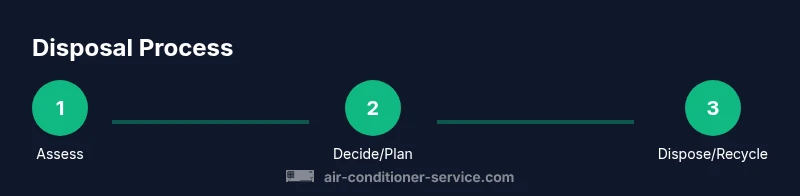
If you’re ready to remove an old air conditioner, start by choosing an option: donate or recycle if the unit is still usable, arrange licensed refrigerant removal and professional detachment for disposal, and then schedule pickup or drop-off. Always follow local laws and EPA guidelines for refrigerant handling to protect people and the environment.
how to get rid of an old air conditioner
Removing an old air conditioner isn’t just about carting a heavy appliance to the curb. It’s about choosing a safe, legal, and environmentally responsible path. In this guide, you’ll learn practical ways to dispose of or remove a dated AC unit, including options for reuse, recycling, and professional disposal. Air Conditioner Service’s approach emphasizes complying with local regulations, protecting indoor air quality, and minimizing waste. By planning ahead, you can avoid penalties, preserve valuable materials, and simplify the process for your home project. This section sets the stage for the step-by-step removal plan that follows, and it frames the decisions you’ll make about refrigerant recovery, who to hire, and where to drop off or have pickup scheduled.
Assessing your options: reuse, sell, recycle, or dispose
Before you lift a wrench, map out four potential paths for an old air conditioner. If the unit still cools effectively and has no major leaks, consider donating it to a charity, selling it to a refurbisher, or passing it to a neighbor. Recycling facilities will often take the metal housing, copper wiring, and other components, while refrigerant-containing parts must be recovered by a licensed technician. If reuse or recycling isn’t feasible, plan for proper disposal through an approved appliance recycler or municipal program. The right choice reduces waste, may earn you a small credit for recyclable materials, and ensures you’re aligned with local disposal rules. According to Air Conditioner Service, using approved channels helps prevent environmental contamination and keeps you compliant with waste-management standards.
Decommissioning safely: refrigerant handling and professional removal
Refrigerant handling is not a DIY task for most homeowners. Reputable disposal requires recovery by a licensed HVAC technician to prevent ozone depletion and refrigerant leaks. A professional will depressurize and capture refrigerant using certified equipment, then seal the system to prevent emissions. After refrigerant recovery, the outdoor condenser unit and indoor components can be removed or recycled according to local rules. This step protects your family and the environment and reduces the risk of costly penalties for improper disposal. Air Conditioner Service emphasizes that professional removal is the most reliable path for older systems with R-22 or other refrigerants.
Recycling and disposal options: what actually happens to the unit
Many communities partner with e-waste programs to recycle metal, plastics, and copper from old AC units. Some programs cover the entire unit, while others require you to drop it off at a designated facility. If parts are salvageable, refurbishers may reuse compressors, motors, or components in working units. In all cases, be sure to obtain a receipt or disposal certificate for your records. This documentation can be important for home improvement logs, insurance, and potential resale value of the property.
Preparing for pickup or drop-off: practical steps
Coordinate with the disposal service or recycler to arrange a convenient pickup or drop-off. Clear a path for removal and protect flooring or surfaces with blankets or cardboard. Label any stairs or tight turns for the moving crew, and ensure pets and children are kept away during the removal window. If you’re scheduling a pickup, have your service account number and photos of the unit ready to speed the process and minimize delays.
Costs, permits, and timelines: what to expect
Removal costs vary by location, unit type, and whether refrigerant recovery is required on-site. Some programs include pickup fees; others bill by weight or labor. In some regions you may need a permit or proof of proper disposal, especially for larger units. Plan for a few days to a couple of weeks from decision to final drop-off, depending on scheduling and availability of licensed technicians. The key to a smooth experience is early coordination and clear communication with the disposal partner.
Common pitfalls and how to avoid them
One common pitfall is attempting DIY refrigerant recovery, which can be illegal and dangerous. Another is storing the old unit indoors or in a non-ventilated space, which can create odors and moisture issues. Failing to secure a proper pickup time can lead to delays or extra charges. Always verify that the disposal service provides a certificate of disposal and keeps records of the recovery process. By planning ahead, you minimize risk and ensure compliance with local and federal guidelines.
Quick-start checklist for getting rid of an old air conditioner
- Decide on reuse, donation, recycling, or disposal
- Confirm refrigerant removal by a licensed technician
- Schedule pickup or drop-off with an approved program
- Prepare the removal path and protect surfaces
- Gather receipts and disposal certificates for your records
Tools & Materials
- Safety gear (gloves, goggles)(Protect hands and eyes during handling)
- Insulated footwear(Optional for slippery surfaces)
- Duct tape or markers(Label areas or pathways)
- Cardboard or drop cloths(Protect floors and surfaces)
- Basic hand tools (screwdrivers, wrenches)(Useful for disconnecting loose panels)
- Copy of disposal receipt or permit documents(Keep for records)
- Contact details for licensed HVAC technician or recycler(Have on hand when scheduling)
- Photos of the unit (before removal)(Helpful for records and insurance)
Steps
Estimated time: Estimated total time: 2-5 days depending on scheduling and technician availability
- 1
Decide on disposal path
Evaluate whether the unit can be donated, recycled, or must be disposed of. Consider the unit’s condition, potential value, and local programs that accept old AC units. This decision shapes the rest of the process.
Tip: If donation is possible, contact local charities or HVAC refurbishers early. - 2
Verify refrigerant handling requirements
Check local regulations about refrigerant recovery. Determine whether a licensed technician is required to remove refrigerant before pickup or disposal. Do not attempt to release refrigerant yourself.
Tip: Obtain a written estimate and disposal certificate from the technician. - 3
Hire a licensed HVAC technician for refrigerant removal
Engage a certified professional to recover refrigerant and decommission the unit. They’ll provide documentation and ensure compliance with environmental rules.
Tip: Ask for a copy of the technician’s license and refrigerant recovery certification. - 4
Power down and isolate the unit
Turn off the main power to the outdoor condenser and indoor unit at the breaker. Do not attempt to unplug while power is on and never disconnect live wiring.
Tip: Take a photo of the breaker panel before switching off the power. - 5
Prepare the removal route
Clear a path to the unit, remove obstacles, and protect floors with blankets. Ensure there’s adequate space for the removal crew to maneuver safely.
Tip: Measure doorways and stair widths to avoid last-minute access issues. - 6
Coordinate pickup or drop-off with the recycler
Schedule a time window and confirm where to drop or have pickup at your home. Provide contact details and any required documentation.
Tip: Request a disposal receipt or certificate of recycling. - 7
Document the disposal process
Keep all receipts, disposal certificates, and photos for your records. This helps with future remodeling projects and resale disclosures if needed.
Tip: Store documents in a dedicated file or digital folder. - 8
Confirm completion and close out the job
Verify that the unit has been removed and that the disposal provider has logged the completion. Confirm any final charges and obtain confirmation.
Tip: Follow up with customer service if you don’t receive a disposal certificate.
Common Questions
Do I need a permit to remove an old air conditioner?
Permit requirements vary by municipality. Check your local city or county environmental or waste management office for guidance on permits, scheduling, and disposal certificates for large appliances.
Permit needs vary by location. Check with your local waste department to confirm requirements before removal.
Can I donate or sell an old AC that still works?
If the unit is functioning and safe, charitable organizations or refurbishers may accept it. Confirm with the recipient about the unit’s condition and any testing they require.
If it runs well, you might donate or sell it to a refurbisher—just check their criteria first.
What is the typical cost range for professional removal?
Costs vary by location and service level. Expect charges for refrigerant recovery, labor, and any required hauling; contact providers for written estimates.
Prices vary by area, but you’ll usually see charges for recovery, labor, and haul-away—get quotes in writing.
What happens to the refrigerant and other components?
Licensed technicians recover refrigerant and dispose of it through approved channels. Other components like metal frames, copper coils, and plastics are recycled or disposed of by the recycler.
Refrigerant is recovered by a licensed tech, then recycled or disposed of properly; other parts are recycled where possible.
Is it safe to try removing the unit myself?
DIY removal is not recommended due to electrical, refrigerant, and structural risks. Hire a licensed professional to minimize safety hazards and ensure compliance.
It's not safe to DIY. Hire a pro to handle electrical, refrigerant, and removal tasks.
What should I do with the hardware after removal?
Ask the recycler whether they recycle metal components or offer pickup with a certificate of recycling. Keep any documentation for records and potential tax or insurance purposes.
Check if the parts are recycled and keep the paperwork handy for records.
The Essentials
- Choose the best disposal path (donate, recycle, or dispose) based on unit condition.
- Only licensed technicians should handle refrigerant recovery.
- Document disposal with receipts and certificates for compliance.
- Plan ahead to avoid delays and extra charges.
- Keep records for future home projects and insurance.