Air Conditioner Disposal: A Practical How-To
Discover how to dispose of an air conditioner responsibly with practical steps, recycling options, safety tips, and guidance on refrigerant handling and legal requirements.


You’ll learn how to dispose of an air conditioner responsibly by choosing a compliant path (recycling, donation, or licensed disposal), preparing the unit for removal, and following safe steps to protect people and the environment. This guide covers refrigerant handling, component separation, and estimating costs and timelines.
Why Proper Air Conditioner Disposal Matters
Proper disposal of an air conditioner protects the environment, reduces waste, and ensures compliance with local regulations. Failing to dispose of a unit correctly can release refrigerants and heavy metals into the air and water, posing health risks and environmental harm. According to Air Conditioner Service, many municipalities require licensed recovery and documented disposal for large appliances. The Air Conditioner Service analysis, 2026, shows that improper disposal remains a common issue in older homes, especially for units that rely on refrigerants such as R-22 or R-410A. By choosing the right path—recycling, donation, or licensed disposal—you minimize pollution and ensure materials like copper, aluminum, and steel are recovered. In addition, proper disposal can help homeowners avoid fines and align with energy and waste reduction goals. This section sets the stage for practical steps you can take today, including verifying local programs and preparing the unit for safe removal.
Safety and Environmental Considerations
Air conditioners contain pressurized refrigerants, electrical components, and cooling oils. A small leak or puncture can release harmful gases and create slip or respiratory hazards. Before touching any part of the unit, shut off power at the breaker and test that the outdoor unit is de-energized with a voltage tester. Wear safety goggles and cut-resistant gloves, and work on a clean, dry surface. Keep children and pets away during work. If the unit is still mounted on a roof or in a tight space, consider professional assistance. Environmental considerations include recovering refrigerants, separating metals and plastics, and preventing coolant leaks into soil or drainage. Licensed technicians use certified equipment to recover refrigerants and minimize environmental impact. This not only protects the environment but also helps ensure that you meet disposal rules and avoid penalties.
Assessing Repair vs Disposal
Not every failing AC requires replacement. If the unit is old, leaking refrigerant, or costs to repair would exceed the unit’s current value, disposal is usually the wiser option. Start with a simple cost-check: obtain a rough repair estimate from a qualified technician and compare it to the price of a new or refurbished unit. If you’re considering resale or donation, determine whether the unit still cools effectively and has a reasonable energy rating. Air Conditioner Service Team suggests evaluating the long-term reliability and energy efficiency of newer models, which often reduces monthly cooling costs even after disposal. Remember that in many places, disposal costs cover removal, refrigerant recovery, and recycling of metals. If the unit is beyond economical repair, plan for a proper disposal path rather than attempting DIY recovery.
Gather Your Plan: Disposal Options
There are several legitimate disposal paths for an old air conditioner: municipal appliance recycling programs, retailer take-back schemes, local scrap metal recyclers, charity donations if the unit still works, or licensed disposal companies that handle refrigerant recovery. Start by checking your city or county website for appliance recycling days or drop-off locations. If the unit still operates, donation to a community organization may be possible; otherwise, recycling centers will extract metals and plastics for reuse. If you hire a contractor, ensure they are licensed to recover refrigerants and carry proof of disposal. Air Conditioner Service emphasizes using programs that offer full documentation to avoid liability and ensure compliance with environmental guidelines.
Step-by-Step: Prepare the Unit for Removal
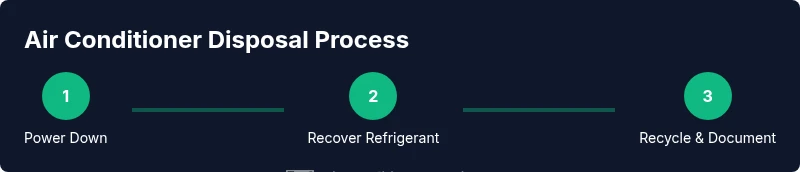
- Power down and verify the unit is de-energized to prevent electrical shocks during handling. 2) Disconnect the outdoor unit from the electrical supply and remove access panels. 3) Schedule refrigerant recovery with a licensed professional; do not attempt to remove or vent refrigerants yourself. 4) Drain any residual water or oils into a suitable container and seal openings to prevent leaks during transport. 5) Detach the unit from its mount or pad and secure for transport, using drop cloths to protect surfaces. 6) Sort components into recyclable metals and plastics and prepare for pickup. 7) Arrange disposal with a licensed recycler or contractor and obtain disposal documentation.
What Happens at the Recycler: From Unit to Recycled Materials
At a licensed facility, the unit is inspected, refrigerant is recovered, and the metal frame, copper coils, aluminum fins, and plastics are separated for recycling. Copper and aluminum are recovered and sold as recyclable metals, while plastic components are sent to processing facilities. The remaining non-recyclable materials are disposed of according to local environmental regulations. Recyclers provide documentation of disposal, which is important for compliance records and potential tax or grant programs that support end-of-life appliance recycling. This process minimizes landfill waste and maximizes material recovery for future products.
Refrigerant Handling: Regulations and Safe Practices
Refrigerants are regulated due to their environmental impact. Leaking or venting refrigerant into the atmosphere is illegal in many jurisdictions and can be hazardous to health. A licensed technician must recover refrigerants using certified equipment before any dismantling or removal. Never attempt to disconnect or vent lines yourself; doing so can cause frostbite, chemical exposure, or pollution. After recovery, refrigerants are recycled or destroyed following environmental guidelines. Proper refrigerant handling is a core requirement of responsible disposal and helps you stay compliant with local laws.
Costs, Scheduling, and Time Involvement
Disposal costs vary by location, unit size, and whether refrigerant recovery is required. Some municipalities offer free or low-cost appliance recycling, while private recyclers may charge for pickup and processing. Air Conditioner Service analysis, 2026, indicates that total costs can range depending on whether you request curbside pickup, in-home removal, or drop-off at a recycling center. Scheduling can also affect timing; some programs operate only on certain days, so plan ahead and confirm requirements in advance. A well-planned disposal avoids additional charges and ensures proper documentation.
DIY vs Professional Disposal: Pros and Cons
DIY disposal is not recommended for most homeowners, primarily because refrigerant recovery, electrical safety, and regulatory compliance require professional handling. Hiring a licensed technician or recycler reduces the risk of environmental harm and legal penalties and often speeds up the process. The cons of professional disposal typically involve service fees, but these costs reflect the safety and compliance benefits. Overall, professional disposal provides the most reliable, compliant route for end-of-life units.
Find a Reputable Recycler or Contractor
Start with local authority lists or reputable national networks to find certified appliance recyclers or disposal contractors. Look for licenses, insurance, and a clear disposal certificate. Ask about refrigerant recovery methods and whether the facility can provide a disposal receipt. Prioritize companies that offer full documentation and demonstrated environmental compliance, as this protects you from liability and supports sustainable practices.
Tools & Materials
- Power shutoff tools (breaker access, voltage tester)(Verify unit is powered down before touching wires)
- Screwdrivers (Phillips and flat-head)(Sizes commonly used on outdoor and indoor panels)
- Nut drivers / socket wrench set(Remove mounting bolts and brackets)
- Pliers and adjustable wrench(Loosen clamps and hoses safely)
- Drop cloth or old tarp(Protect surfaces from debris and oil)
- Safety goggles and work gloves(Protect eyes and hands from sharp edges)
- Duct tape or sealing materials(Seal ports after removal and during transport)
- Sealable bags and containers(Contain refrigerant couplings and oils)
- Transportation solution (dump trailer, dolly, or SUV)(Move the unit safely to disposal site)
- Disposal documentation readiness(Receipt or certificate of destruction if available)
Steps
Estimated time: 2-6 hours
- 1
Power down and verify de-energized
Turn off the AC unit at the outdoor disconnect and inside the house. Use a voltage tester to confirm there is no live power before you begin handling wires.
Tip: Double-check at both the breaker and the disconnect switch to prevent shocks. - 2
Disconnect power and access wiring
Carefully remove panels to access electrical connections. Label wires if needed before disconnecting, so reassembly is easy if the unit is being repurposed.
Tip: Take photos of wiring layouts for reference. - 3
Schedule refrigerant recovery
Contact a licensed technician to recover refrigerant using certified equipment. Do not vent or release refrigerant yourself as this is illegal and hazardous.
Tip: Ask for a disposal certificate after recovery. - 4
Drain residual oils and fluids
Place a catch basin under the unit to collect residual oils. Wipe and seal any ports to prevent leaks during transport.
Tip: Dispose of collected fluids through the same recycler if offered. - 5
Detach and remove mounting hardware
Unbolt the unit from its mounting pad or wall, then carefully lift it onto a dolly or into a transport container.
Tip: Enlist a helper for heavy units to prevent injury. - 6
Sort and prepare for recycling
Separate metals (copper, aluminum, steel) from plastics and insulations. Place components into labeled bags or containers as required by your recycler.
Tip: Keep a log of components for tax or donation purposes. - 7
Arrange disposal and obtain documentation
Schedule pickup with a licensed recycler or take the unit to a certified facility. Ensure you receive a disposal receipt or certificate of destruction.
Tip: Keep records in case of future liability concerns.
Common Questions
Is it legal to dump an air conditioner in the trash?
Generally no. Most areas require appliance recycling or disposal through licensed facilities and waste programs. Check local rules to avoid penalties.
No, it isn’t legal in most places to throw an air conditioner in the trash. Use a licensed recycler or local program instead.
Do I need a professional to recover refrigerant?
Yes. Refrigerant recovery must be performed by a licensed technician with certified equipment to prevent environmental harm and comply with regulations.
Yes. Refrigerant should be recovered by a licensed professional using certified equipment.
Where can I recycle an old AC unit near me?
Start with your city or county’s appliance recycling program, then check with local scrap yards or certified recyclers. Some retailers offer take-back services.
Start with your local appliance recycling program or certified recyclers; some retailers also offer take-back options.
Can I donate a working unit?
If the unit still cools effectively and meets safety standards, donation to a nonprofit or community organization may be possible. Confirm with the recipient first.
If it still works well, you might donate it to a charity—check with the organization first.
How long does disposal typically take?
Timing varies by location and service type. Scheduling a pickup can take from same day to a couple of weeks, depending on availability and refrigerant recovery needs.
It depends on where you are; pickups can be quick or take a little longer if refrigerant recovery is involved.
What documentation should I keep?
Keep the disposal receipt or certificate of destruction, plus any refrigerant recovery paperwork. These documents prove compliance and help with future audits or warranties.
Hold onto the disposal receipt and refrigerant recovery paperwork for your records.
Watch Video
The Essentials
- Plan disposal with a licensed recycler or contractor.
- Never vent refrigerants; rely on certified recovery.
- Recycle metals and plastics to minimize waste.
- Keep disposal receipts and documentation for records.
- Costs and timing vary by location and unit size.