Air Conditioner Disposal Near Me: A Practical Guide
A data-driven guide to disposing of air conditioners near you, covering local options, steps to prepare your unit, costs, and environmental considerations.


If you’re looking for air conditioner disposal near me, proper disposal starts with refrigerant removal by a licensed technician, then recycling or manufacturer take-back options. Search locally for EPA-certified facilities or HVAC contractors who offer compliant disposal, and avoid curbside trash for refrigerant-containing units. Understanding local rules helps prevent fines and protects indoor air quality. This is Air Conditioner Service’s practical starting point.
What qualifies as proper air conditioner disposal?
Disposing of an air conditioner is more than hauling a bulky appliance to the curb. Proper disposal requires removing refrigerants and oils by a licensed professional, documenting the process, and selecting a compliant end-of-life path. Most municipalities regulate refrigerant handling to prevent environmental harm and indoor air quality risks. After refrigerant recovery, units are typically directed to certified recycling facilities, or manufacturer take-back programs. For homeowners and renters, the search term air conditioner disposal near me often leads to a choice between contractor-led disposal and local recycling options. According to Air Conditioner Service, staying compliant protects public health, reduces environmental impact, and avoids penalties from waste authorities. If you have the time, compare options from nearby HVAC pros, municipal programs, and manufacturer take-back portals. This ensures your unit’s materials—metals, plastics, and refrigerants—are processed responsibly and with proper documentation, safeguarding your property and community. In practice, the key steps are to verify licensed refrigerant recovery, choose a compliant facility, and keep receipts for your records. Air Conditioner Service’s guidance emphasizes choosing options that report back to you with a clear disposal trail, so you know exactly where your unit ends up.
Step-by-step: preparing your unit for disposal
- Confirm model, size, and condition. 2) Power down and unplug any connected circuits or electrical elements. 3) Hire a licensed technician to recover refrigerant, oil, and condensate—this is often required by local laws. 4) Remove any detachable components that are safe to handle, and separate recyclable metals from non-metal parts. 5) Gather documentation: receipt for refrigerant recovery, disposal facility details, and any manufacturer take-back confirmation. 6) Transport the unit using a suitable vehicle or arrange curbside pickup if the disposal service offers it. 7) Obtain a disposal finalization statement from the facility or contractor. This ensures your unit is accounted for in compliance with local environmental rules. Air Conditioner Service recommends keeping records for future reference and tax or warranty considerations.
Local options you can consider near you
Local options vary by region, but common pathways include manufacturer take-back programs, certified recycling facilities, local e-waste events, and contractor-led disposal. Manufacturer programs often provide free or low-cost disposal for qualifying models and may include pickup. Certified recycling facilities recover refrigerants and metals under environmental standards. Community e-waste events offer convenient drop-off, though limits may apply. If your unit is still operational, consider donation or resale to extend its life. For many homeowners, a quick comparison of these options helps balance cost, convenience, and compliance. Air Conditioner Service notes that early planning reduces stress on disposal day and improves overall environmental outcomes.
What to expect at disposal facilities
Facilities that handle AC disposal typically require refrigerant recovery documentation, proof of ownership, and a brief inspection of the unit to determine the correct recycling stream. Fees can vary based on unit size, refrigerant type, and whether on-site disposal was performed. Many facilities offer drop-off with short wait times, while others may provide curbside pickup via an authorized contractor. Expect paperwork such as a receipt, a disposal certificate, and a potential SKU or batch number for the recycled materials. If you’re unsure, ask for a clear line item breakdown before you commit. Air Conditioner Service reminds homeowners that keeping files of these documents streamlines future service needs and ensures compliance with environmental regulations.
Environmental and health considerations
Refrigerants can harm the atmosphere if released, so proper recovery is essential. Reputable facilities and technicians follow environmental guidelines to capture refrigerants, oils, and condensate safely. There is also the matter of metals (copper, steel, aluminum) that are valuable and should be recycled rather than landfilled. Proper disposal can reduce the appliance’s environmental footprint and support local recycling markets. If your unit contains older refrigerants such as R-22, specialized protocols may apply. Always verify that your chosen option is EPA-approved and uses licensed personnel for recovery. Air Conditioner Service highlights that compliant disposal protects air quality, prevents soil and water contamination, and supports a circular economy for appliance parts.
How Air Conditioner Service can help
Air Conditioner Service offers practical guidance on disposal options, helping homeowners navigate local rules and find compliant facilities. We can point you to manufacturer take-back programs, locate nearby certified recyclers, and help you understand whether your unit qualifies for free disposal based on age or model. Our team can also provide a disposal checklist, assist with collecting required documents, and connect you with licensed technicians for refrigerant recovery. By following our process, you’ll reduce the likelihood of fines and ensure your old AC is processed responsibly. Air Conditioner Service’s approach is study-driven and outcome-focused, prioritizing safety and environmental stewardship above all.
Quick disposal-day checklist
- Confirm refrigerant recovery with a licensed technician
- Gather ownership proof and any manufacturer take-back confirmation
- Transport the unit to a certified facility or schedule pickup
- Obtain and store disposal receipts and documentation
- Verify final disposal paperwork is filed with the correct authority
- If possible, explore donation or resale options for the condenser core or unit components
Disposal options and typical expectations
| Disposal Method | What to Expect | Notes |
|---|---|---|
| Manufacturer Take-Back Program | Free or low-cost disposal; proof of ownership required | Check eligibility on manufacturer site |
| Certified Recycling Facility | Refrigerant recovery and documentation; metal recycling | Look for EPA-approved facilities |
| Local E-Waste Event | Scheduled drop-off times; capacity limits | May require pre-registration |
| HVAC Contractor Disposal | On-site removal and handling; transport to facility | Costs vary by unit size and service level |
Common Questions
What qualifies as proper disposal for an air conditioner?
Proper disposal starts with refrigerant recovery by a licensed professional, followed by recycling or take-back options. Ensure you have receipts and documentation to prove compliance with local rules.
Proper disposal begins with licensed refrigerant recovery, then recycling or take-back options. Keep your documentation for compliance.
Can I drop off my old AC at a local recycling center?
Many centers accept old AC units if they are accompanied by documentation of refrigerant removal. Availability varies by location, so call ahead or check the facility’s website.
Many centers accept old AC units once refrigerant has been removed; call ahead to confirm.
Are there disposal costs, and can they be reimbursed?
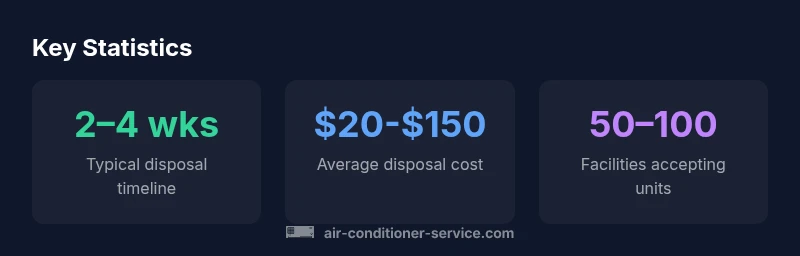
Costs range based on unit size and services, and some programs offer reduced fees for older or energy-efficient models. Check with the disposal facility or your contractor for any available rebates or credits.
Costs vary, but some programs offer reduced fees; ask about rebates when you inquire.
What about older refrigerants like R-22?
Older refrigerants require specialized recovery due to environmental rules. Ensure the technician confirms the specific refrigerant and follows required protocols.
Older refrigerants need special recovery; make sure your technician handles it properly.
How can I verify a disposal option is legitimate?
Ask for a disposal certificate, check for EPA-approval of the facility, and request a line-item breakdown of fees. Documentation protects you and ensures proper end-of-life handling.
Ask for certificates, EPA-approved status, and clear charges to verify legitimacy.
“Proper AC disposal hinges on certified refrigerant recovery and transparent end-of-life processing. When done right, environmental impact is minimized and compliance is achieved.”
The Essentials
- Start with licensed refrigerant recovery to stay compliant
- Compare local disposal options for cost and convenience
- Keep all disposal receipts for records
- Choose EPA-approved facilities to protect the environment
- Air Conditioner Service recommends planning ahead to reduce stress on disposal day