How to Clean Air Conditioner Vents: A Practical Guide for Homeowners
Learn a safe, step-by-step method to clean air conditioner vents, improve airflow, and boost indoor air quality with practical tips for homeowners and renters.


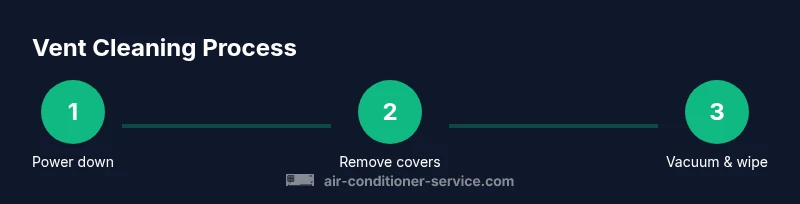
You can safely clean air conditioner vents at home by powering down the system, removing vent covers, vacuuming dust with a crevice tool, wiping surfaces with a damp cloth, and reassembling. Avoid spraying water directly into ducts and never touch electrical components. This guide provides a clear, step-by-step approach for safer, cleaner vents.
Why Cleaning Air Conditioner Vents Matters
Dust and debris accumulate in supply and return vents over time, restricting airflow and redistributing contaminants throughout the living space. When vents are clogged, the HVAC system works harder, which can shorten equipment life and raise energy use. Regular vent cleaning helps maintain consistent cooling, reduces the spread of dust and pollen, and supports better indoor air quality for occupants. For homeowners, this task is a foundational part of preventative maintenance that fits alongside filter changes and duct inspections. According to Air Conditioner Service, routine vent care is a straightforward, practical step that contributes to a healthier, more efficient cooling environment. Tackling this task in a methodical way can save you time and reduce the likelihood of bigger issues later in the season.
This section sets the foundation by explaining the why behind vent cleaning and how it connects to overall system performance and home comfort.
How Dirty Vents Affect Air Quality and Efficiency
Vents that collect dust interfere with airflow, which can cause uneven cooling and higher energy bills as the blower strives to move air through a crowded pathway. The particles circulated by dirty vents may aggravate allergies and respiratory conditions, especially in closed living spaces. Clean vents support better filtration by allowing air to pass through filters more readily and by reducing nuisance odors caused by trapped grime. Air Conditioner Service analysis shows that regular, moderate vent cleaning improves airflow and can lessen strain on the blower, contributing to longer equipment life. If you notice persistent musty smells or increased dust in rooms, it may be time to clean vents and examine related components for mold or moisture, which could require professional assessment.
This section highlights real-world effects of dirty vents and links vent hygiene to indoor air quality and HVAC efficiency, with guidance on when to escalate to a professional if deeper issues are suspected.
What to Expect When You Clean
Cleaning vents is usually straightforward but benefits from a planned approach. You’ll gain access to vent covers, remove loose dust with a vacuum, wipe surfaces clean, and inspect for signs of moisture or mold. Expect to spend about an hour or two for a typical home, depending on the number of vents and complexity of the ductwork. Clear the work area first, wear protective gloves, and use a vacuum with a crevice tool to reach tight spaces around each vent. After cleaning, reattach the covers securely and confirm that the system blower runs smoothly without unusual noises. If you encounter mold, persistent damp areas, or obvious damage, stopping the process and consulting a professional is advised. This section offers practical expectations to help you plan your time and stay safe while you work.
This block covers the typical workflow, safety precautions, and what a successful vent cleaning looks like in a real home.
Step-by-Step Overview
A high-level view of the process helps you picture the full workflow before you start: (1) power down and prep, (2) remove vent covers, (3) vacuum loose debris, (4) wipe surfaces, (5) inspect for mold or moisture, (6) spot-clean stubborn grime, (7) reinstall covers, (8) run the system on fan to dry and circulate air, (9) check and replace the air filter if needed, (10) tidy the workspace, and (11) schedule the next cleaning. This overview is designed to complement the detailed STEP-BY-STEP section that follows. The goal is to keep airflow unobstructed and avoid introducing more dust into living spaces during the process. Precision and patience will yield the best results over time.
This section provides a concise roadmap to prepare readers for hands-on work and emphasizes safety and organization.
Common Mistakes and How to Avoid Them
Mistakes are common when tackling vent cleaning, especially for first-timers. Avoid blasting vents with water or cleaning solutions that can drip into electrical components or into the ductwork; never insert sharp objects that could damage fins or cause dents. Don’t skip turning off power or unplugging the unit, as this creates a shocking or short-circuit risk. Avoid over-wetting surfaces or using harsh chemicals that could corrode vent materials. Instead, use a mild cleaner and a damp cloth, and focus on accessible surfaces to reduce the chance of contamination spreading deeper into the system. If you encounter mold growth, interior moisture, or obvious signs of damage, stop and consult a professional. This section helps you recognize and sidestep common frustrations that derail DIY vent cleaning.
This block identifies frequent missteps and offers practical tips to prevent them, ensuring a safer and more effective cleaning.
Maintenance Plan for the Next 12 Months
Vent cleaning is most effective when paired with a proactive maintenance schedule. Plan to inspect vents and related components at the start of each cooling season, and set a calendar reminder for a mid-season check. While you’re at it, replace or clean the air filter as recommended by the manufacturer, typically every 1-3 months depending on usage and indoor air quality. Keep a simple log of what you cleaned, any observations (e.g., signs of moisture or mold), and the date of the next inspection. This practice helps you track improvements in airflow and air quality over time and reinforces a disciplined approach to home maintenance. A consistent routine reduces the chance of buildup and keeps your system running more efficiently.
This section emphasizes a practical, repeatable plan to sustain vent hygiene and system performance.
Safety Considerations and Quick Troubleshooting
Safety is the cornerstone of any DIY HVAC task. Always power down the unit and at least disconnect the outdoor condensing unit if accessible from the panel side. Wear protective gloves and a dust mask to minimize exposure to dust and potential allergens. If you notice standing water, electrical buzzes, or sharp edges, pause and reassess the setup; these are signs you may need professional assistance. If the vent cleaning reveals mold or persistent odor, treat it as a separate issue and seek expert guidance. Quick troubleshooting tips include rechecking vent covers for a secure fit, ensuring no tools are left inside the ducts, and testing the system after cleaning to confirm it’s returning cool air efficiently.
Quick Reference: Visual Checklist for Your Vent Cleaning Session
- Power down the system and unplug if safe. - Remove vent covers and collect screws in a labeled container. - Vacuum and wipe multiple passes to remove dust. - Inspect for moisture, mold, or damage. - Reinstall covers and test the system on fan. - Check filters and replace if dirty. - Document date and findings for future maintenance.
Tools & Materials
- Vacuum cleaner with crevice attachment(Use HEPA filter if available; reach into corners and behind grilles)
- Soft microfiber cloths(Dampen with water or mild cleaner; avoid dripping)
- Screwdriver (Phillips or flathead as needed)(For vent cover screws; keep screws organized)
- Mild detergent or mild cleaning spray(Dilute and apply lightly; avoid excess moisture)
- Gloves and safety glasses(Protect hands and eyes from dust and sharp edges)
- Mask or respirator(Reduces inhalation of dust and allergens)
- Paper towels or rags(For quick cleanup of spills or moisture)
- Replacement air filter (if applicable)(Have a compatible filter on hand if yours needs replacement)
Steps
Estimated time: 1-2 hours
- 1
Power down and prepare
Turn off the thermostat and unplug the unit if accessible. Verify the fan is not running and ensure the area around the outdoor unit is clear. Gather tools and set up a workspace with good lighting.
Tip: Wear gloves and safety glasses to protect against dust and sharp edges. - 2
Remove vent covers
Carefully unscrew or unlatch vent covers. Place screws in a labeled container and set covers aside to prevent bending fins.
Tip: Note where each cover goes to ensure proper reattachment. - 3
Vacuum loose dust
Use the crevice attachment to vacuum inside the vent slots and around the edges. Focus on corners and behind the grille where dust accumulates.
Tip: Avoid pushing dust deeper into the duct by using a light touch. - 4
Wipe vent surfaces
Dampen a microfiber cloth with water or a mild cleaner and wipe the vent fins and surrounding surfaces. Let surfaces dry before reassembly.
Tip: Do not saturate the vent or use harsh chemicals near electrical components. - 5
Inspect for moisture or mold
Check for any signs of dampness, mold, or unusual stains around vents and ducts. If you see active mold, stop and contact a professional.
Tip: Document any mold signs with photos for future reference. - 6
Spot-clean stubborn grime
If grime remains, use a mild solution on a cloth to target stubborn spots. Wipe clean and allow to dry.
Tip: Always test a small area first to avoid damage to vent finishes. - 7
Reinstall vent covers
Securely reattach vent covers, ensuring alignment with surrounding walls and grille edges.
Tip: Tighten screws firmly but avoid over-tightening. - 8
Run the system on fan
Reconnect power and run the system on the fan setting for 5-10 minutes to circulate air and dry any damp areas.
Tip: Listen for unusual noises; stop and inspect if anything seems off. - 9
Check air filters
Inspect the main air filter and replace or clean it if dirty, following manufacturer guidelines.
Tip: A clean filter improves airflow and overall efficiency. - 10
Tidy the workspace
Put tools away, wipe down surfaces, and vacuum the area again to remove any displaced dust.
Tip: Dispose of collected dust in a sealed bag to minimize re-dispersion. - 11
Document maintenance
Record the date of vent cleaning, any observations, and the next planned maintenance date.
Tip: Set a reminder for seasonal checks to maintain consistency. - 12
Schedule the next cleaning
Plan your next vent cleaning within the same season or annually, depending on use and environment.
Tip: Include a note if you detected moisture or mold for quicker follow-up.
Common Questions
Is it safe to clean air conditioner vents myself?
Yes, it is generally safe for many homeowners when following proper steps and turning off power. Avoid opening electrical components and seek professional help if you notice mold, moisture, or signs of damage.
Yes. You can clean vents yourself if you follow safety steps, but stop if you see mold or moisture.
How often should vents be cleaned?
Most homes benefit from a yearly cleaning aligned with seasonal maintenance. If you have pets, high dust, or respiratory concerns, consider an additional mid-season check.
Most homes clean vents yearly, with extra checks if pets or dust are an issue.
Can vent cleaning fix poor cooling performance?
Vent cleaning can improve airflow and may help with cooling efficiency, but it won’t fix underlying air handler or refrigerant problems. If performance doesn’t improve, consult a pro.
Cleaning helps airflow, but it won’t fix major HVAC problems; call a pro if performance remains poor.
What should I do if I see mold or a musty odor?
Stop cleaning and consult a professional. Mold indoors can cause health issues, and improper handling can spread spores.
If you spot mold, stop and seek professional help to avoid health risks.
Should I clean inside the ductwork?
Deep duct cleaning is typically performed by specialists. DIY vent cleaning focuses on accessible surfaces and vent covers.
Deep cleaning inside ducts is usually a job for professionals; cleaners fix accessible vents.
Do I need to turn off power before cleaning?
Yes. Always shut off power to the HVAC unit and the circuit if possible before starting.
Always power down the system before you begin cleaning.
Watch Video
The Essentials
- Inspect vents for dust buildup and address promptly
- Use protective gear and gentle tools to avoid damage
- Clean vent covers and surrounding areas before reassembly
- Check and replace filters to maintain airflow
- Maintain a simple maintenance log for future sessions