How to Clean Air Conditioner Before Use: A Practical Step-by-Step Guide
A homeowner-friendly, safety-focused guide to cleaning your air conditioner before use. Learn practical steps for indoor filters, condensate drainage, and outdoor coils to improve airflow, efficiency, and air quality.


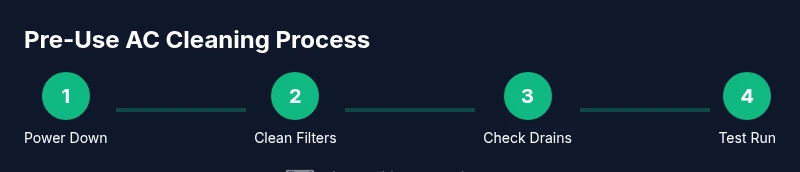
By following this guide on how to clean air conditioner before use, you’ll boost airflow, efficiency, and air quality. Start by powering down the unit, then clean the indoor filter, condensate pan, and outdoor condenser. This 8-step process covers safety, prepping your space, and basic maintenance every homeowner can perform before the season starts.
How to Clean Air Conditioner Before Use: Safety and Planning
Before you touch your unit, set up for a safe cleaning session. Read the user manual for device-specific cautions, and follow general safety guidelines for HVAC work. Air Conditioner Service emphasizes starting with safety: switch off power at the breaker to both the outdoor condenser and indoor air handler, and lock out the switch if possible. Verify there is no voltage in the accessible disconnects with a non-contact tester, and keep kids and pets away from the work area. Clear the area around the outdoor unit of debris, plants, and toys to prevent blockages during testing. If your system is under warranty, check that cleaning actions won’t void coverage. This pre-clean planning helps minimize risk and ensures you complete each task methodically. According to Air Conditioner Service, regular pre-season cleaning helps extend system life and improve efficiency.
Indoor Components Primer: What You’ll Clean and Why
Understanding the key parts you’ll touch makes the process smoother and safer. The indoor air handler houses the filter, evaporator coil, and blower assemblies that circulate conditioned air. Cleaning these components removes dust, mold spores, and pet dander that can reduce airflow and worsen indoor air quality. A clean evaporator coil improves heat exchange, which can lower energy use slightly and improve system responsiveness. Having a clear picture of what gets cleaned helps you prioritize tasks and avoid unnecessary disassembly. This section serves as a mental map for the steps that follow, aligning safety with practical maintenance.
Tools and Materials You’ll Need (and Why)
Before you start, assemble a basic toolkit tailored to AC cleaning. A vacuum with a brush attachment helps remove loose debris without bending delicate fins. Soft-bristle brushes, microfiber cloths, and a mild cleaner or coil cleaner are ideal for most surfaces. A spray bottle, bucket, and towels help manage grime and moisture. A garden hose with a gentle spray nozzle is useful for outdoor components but must be used carefully to avoid water intrusion into electrical parts. Keep a non-conductive screwdriver handy only if you’re sure you won’t touch live wiring, and always wear safety gloves and eye protection. Laying out your supplies reduces interruptions and keeps the work area organized.
Step-by-Step Cleaning: Indoor Coil, Filter, and Blower (Part 1)
The indoor portion begins with the air filter. If it’s visibly dirty or hasn’t been replaced in a while, remove and replace it with the same or higher MERV rating. Next, access the evaporator coil by removing the service panel. Use a vacuum to lift loose dust, then apply a no-rinse coil cleaner or a mild detergent solution with a soft brush to dislodge stubborn grime. Wipe down the blower housing with a damp microfiber cloth to remove any dust buildup. These actions restore airflow and improve heat transfer efficiency, which can lower running costs over time. Pro tip: work from the center outward to avoid recontaminating cleaned areas.
Step-by-Step Cleaning: Indoor Coil, Filter, and Blower (Part 2)
After applying cleaner to the coil, allow it to sit for the manufacturer’s recommended dwell time if using a coil cleaner. Rinse lightly if the cleaner requires it, or simply wipe away loosened debris with a clean cloth. Reinstall the blower and panel, ensuring a snug fit to prevent air leaks. Do not over-tighten components, which can warp housings or strip screws. Finally, reinsert or replace the air filter, noting the air flow arrow on the filter—this ensures the system draws air properly through the filter media. A correctly installed filter protects the coil and prolongs equipment life.
Step-by-Step Cleaning: Condensate Drain Pan and Lines
Next, inspect the condensate drain pan for standing water, algae, or sludge. Wipe the pan and the accessible parts of the drain line with a mild detergent solution. Flush the line with warm water and a small amount of mild cleaner to break up any organic buildup. If you notice slow drainage or frequent clogs, consider using a wet/dry vacuum to clear the drain line from the access point. Keeping the condensate system clean prevents mold growth and water damage, and it helps prevent musty odors in your living space.
Step-by-Step Cleaning: Outdoor Condenser Unit and Fins
The outdoor condenser requires different handling due to weather exposure. Remove obvious debris—leaves, grass, and dirt—from around the unit to ensure adequate airflow. Gently spray the condenser coils with low-pressure water from the outside to the inside, being careful not to bend or damage the delicate aluminum fins. Use a coil brush or fin comb to straighten any bent fins; this improves airflow and heat exchange efficiency. Avoid using high-pressure washers that can harm the coil and connections. Clean surroundings around the unit still matter for performance and longevity.
Step-by-Step Reassembly, Testing, and Routine Maintenance
Reassemble any panels you removed and restore power at the breaker. Turn the thermostat to cooling and set the fan to auto; listen for normal operation and observe for unusual noises or vibrations. Check that there are no leaks and that air is flowing smoothly from supply registers. Schedule a regular maintenance plan, such as a pre-season clean every 6–12 months, and consider replacing filters every 1–3 months depending on usage and dust levels. Keeping a simple log helps you track maintenance, extend efficiency, and prevent sudden failures.
Final Checks and How to Create a Simple Maintenance Schedule
Before you call it done, run the system for 10–15 minutes to verify steady airflow and consistent cooling. Check for any musty smells or damp spots near the indoor components, which can indicate cleaning gaps or drainage issues. Record the date of cleaning and plan the next session in your calendar. A recurring schedule ensures you keep the system running efficiently year-round and helps Air Conditioner Service’s guidelines stay current for your home.
Tools & Materials
- Vacuum with brush attachment(Use HEPA filter if available)
- Soft-bristle brush(For coils and fins)
- Microfiber cloths(Lint-free for wiping)
- Mild dish soap or coil cleaner(No caustics)
- Spray bottle(Diluted cleaner as needed)
- Bucket(Rinse water and cleaner)
- Garden hose with gentle spray nozzle(Low pressure only)
- Non-conductive screwdriver(Only if you’re comfortable, avoid live wiring)
- Safety gloves(Protect hands from sharp edges)
- Safety goggles(Eye protection during cleaning)
- Step ladder (if needed)(Stable surface, use with caution)
- New replacement filter(Match size and MERV rating)
Steps
Estimated time: 60-90 minutes
- 1
Power down and prep
Turn off the main breaker and switch off the thermostat. If accessible, disconnect the external disconnect switch. Use a non-contact tester to confirm no live voltage before touching any components. Keep kids and pets clear of the work area.
Tip: Label breakers and switches so you can reassemble safely after cleaning. - 2
Access and remove the indoor filter
Open the indoor air handler access panel and locate the filter. Remove the dirty filter and inspect its thickness. If needed, replace with a new filter of the same size and rating, ensuring the airflow arrows point in the correct direction as airflow moves from return duct to coils.
Tip: Note the filter type and keep the receipts for future replacements. - 3
Clean the evaporator coil and blower
Vacuum loose dust from the evaporator coil and blower housing. Apply a coil cleaner or mild detergent to the coil and let it dwell as per product instructions. Gently agitate with a soft brush, then rinse or wipe clean. Ensure the housing is dry before reassembling.
Tip: Do not spray high-pressure water directly into the coil; it can bend fins and damage pathways. - 4
Flush condensate drain line and pan
Inspect the drain pan for standing water and wipe it dry. Flush the drain line with warm water and a mild cleaner to remove biofilm. If you hear gurgling or see slow drainage, use a wet/dry vacuum from the accessible end to clear blockages.
Tip: Regular flushing reduces mold growth and odors in the living space. - 5
Clean the outdoor condenser and fins
Clear debris around the unit, then spray the condenser with a gentle, outward spray from the outside in. Use a coil brush and a fin comb to straighten bent fins. Avoid bending fins with force and never use a metal tool that can nick coils.
Tip: Keep plants at least 12 inches away from the outdoor unit for optimal airflow. - 6
Reassemble and test the indoor unit
Replace the access panel and any filters. Restore power and set the thermostat to cool. Run a test cycle to confirm airflow, temperature drop, and absence of unusual noises or vibrations.
Tip: Listen for airflow changes and smell for any musty odors that indicate drainage issues. - 7
Outdoor unit recheck and airflow check
Ensure the outdoor unit isn’t blocked by debris and that airflow through the unit remains unobstructed. Confirm condensation lines drain correctly and there’s no pooling near the coil.
Tip: If you notice persistent issues like insufficient cooling, call a professional for a diagnostic. - 8
Create a simple maintenance schedule
Mark a calendar reminder for regular filter changes and a biannual check of drain lines and coils. Keeping a log helps you track wear and plan professional service.
Tip: Even with DIY cleaning, annual professional maintenance can extend system life.
Common Questions
How often should I clean my air conditioner before use?
For most homes, a pre-season clean plus routine filter changes every 1–3 months is enough. If you have pets, allergies, or a dusty environment, increase the frequency. Always consult your manual for manufacturer recommendations.
Do a pre-season clean each year, and replace filters every month or two when dust or pet hair is heavy.
Can I run the AC after cleaning without waiting?
Yes, you can run the AC after a thorough cleaning, provided all panels are reattached, the filter is in place, and there are no signs of moisture or leaks. Run a short test cycle to verify proper airflow.
Yes, once everything is reassembled and dry, run a quick test cycle.
Is it safe to spray water on the coils?
Light spraying with low pressure is generally safe for outdoor coils, but avoid spraying directly on electrical connections or fans. Indoors, be careful not to allow water into electrical components.
Low-pressure water from the outside is okay, but avoid electrical parts.
What should I do if the unit smells after cleaning?
A musty odor often indicates mold in the drain pan or condensate line. Re-flush the line, clean the pan, and ensure proper drainage. If odors persist, professional inspection is advised.
Musty smells usually mean mold in drainage; re-clean and check drainage, call a pro if needed.
Do I need to clean the outdoor unit every year?
Yes, especially in dusty or leafy environments. Clear debris and inspect fins annually; a more thorough coil cleaning may be necessary every 1–2 years depending on use and climate.
Annual outdoor cleaning helps maintain efficiency and airflow.
When should I call a professional?
If you notice refrigerant leaks, electrical issues, persistent odd noises, or if cleaning access is difficult or dangerous, contact a licensed HVAC technician. Some tasks are best left to pros to avoid warranty issues or injury.
Call a pro if you suspect leaks, electrical problems, or unsafe access.
Watch Video
The Essentials
- Power safety first before any cleaning.
- Replace indoor filters before coils.
- Low-pressure water preserves coil integrity.
- Create and follow a maintenance schedule.