How to Clean an Outside Air Conditioner: A Practical Homeowner's Guide
Learn to safely clean your outdoor AC condenser, remove debris, and restore airflow. This practical guide covers tools, steps, safety tips, and maintenance for better efficiency.


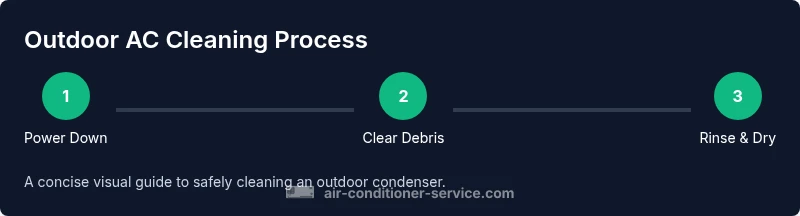
Goal: Learn how to clean an outside air conditioner condenser safely and effectively. You will remove debris, rinse the fins without bending them, check for damage, and restore airflow for better efficiency. Key safety steps include powering down the unit and wearing proper PPE. This guide provides a clear, step-by-step process homeowners can follow to maintain outdoor AC performance.
Why Cleaning Your Outdoor AC Unit Extends Lifespan
Leaves, dust, and dirt accumulate on the outdoor condenser, reducing airflow and forcing the system to work harder. That extra strain can raise energy bills and shorten the unit’s life by stressing the compressor and fan motor. Regular cleaning helps maintain airflow, lowers operating pressure, and reduces corrosion from grime. According to Air Conditioner Service, proactive outdoor unit maintenance is a practical habit for homeowners who want reliable cooling and long-lasting equipment. In this section, we explore how debris affects performance and what steps you can take to keep the condenser clean year-round. When the coil is dirty, heat transfer suffers, causing higher head pressure and more wear on components. Debris also holds moisture, which can encourage mold growth around the unit. A clean condenser improves efficiency, reduces service calls, and keeps your AC performing at its best throughout the hot season.
What Happens Inside the Outdoor Condenser
The outdoor condenser is the heart of the air conditioner’s heat rejection process. Refrigerant circulates through an enclosed coil, releasing absorbed heat to the outside air. The condenser fan pulls ambient air across the fins to carry heat away. When the coils are dirty or obstructed, heat transfer drops, the system runs longer, and efficiency falls. This not only costs more to run, it can also trigger protective shutdowns if temperatures climb too high. The fins are thin aluminum pieces that maximize exposed surface area; they can bend easily under impact or from careless handling. Bent fins reduce airflow, act like a dam, and hamper heat exchange. Regular cleaning helps maintain the designed airflow pathway, preserving system performance and reducing wear on the compressor and fan motor. In addition to dirt, leaves, pollen, and dust can accumulate on the grills and in crevices, creating micro-obstructions that slow heat rejection. By removing debris and cleaning the surface, you support consistent cooling and help your unit operate within its intended seasonal load.
Safety Essentials Before You Begin
Cleaning an outdoor AC condenser involves working near electrical equipment and on an outdoor unit that sits in the weather. Before you touch anything, power must be removed to prevent shock. Locate the disconnect switch near the unit or shut off the main breaker in your panel, then verify there is no voltage with a non-contact tester. Wear safety gloves and protective goggles to guard against sharp edges, rusty components, and flying debris. Keep pets and children away while you work, and never climb onto the unit or lift fins with force. If the unit is mounted on a raised pedestal or shelf, use a sturdy ladder and have a helper spot you. Finally, avoid using high-pressure water, especially near exposed wiring or electrical connections, as that can push water into the enclosure and cause damage. With these precautions, you can safely proceed to clean the outdoor condenser.
The Right Tools and Protection
Having the right tools and PPE makes the job safer and more efficient. Essential items include: gloves, safety goggles, a garden hose with an adjustable nozzle, a soft-bristle brush, a coil-cleaner or mild detergent, and a fin comb for straightening bent fins. A bucket and rags help manage runoff, while a screwdriver or nut driver can be useful for removing access panels if your unit uses tamper screws. Keep a labeled container for screws to prevent misplacement. For tougher grime, a non-abrasive pad and a plastic scraper can aid removal without scratching fins. Avoid metal tools that can nick the aluminum fins. If your unit is hard to reach, a stable ladder or step stool is optional but recommended. Be mindful of weather: postpone cleaning if it’s very hot, humid, or wet to reduce slip risk and chemical exposure.
Cleaning Techniques for the Condenser Coils
Coil cleaning begins with a gentle approach. Start by gently removing loose debris with your gloved hands, a soft brush, or a compressed air can if available (used carefully). Apply a non-foaming coil cleaner or diluted mild detergent following the product instructions. Allow the cleaner to dwell on the coils for 5–10 minutes to break down grime, then rinse from the top down with low-pressure water. Do not spray directly into the electrical housing or onto wiring; aim to push water through the coil rather than into the unit. When rinsing is complete, inspect the fins: if some are bent, use a fin comb to restore straight fins and maximize airflow. If you see stubborn grime that won’t budge with rinsing, repeat the application and rinse once more. Always dry the surface after cleaning to prevent moisture from collecting around electrical components.
Clearing Debris and Improving Drainage
Debris around the unit can clog the drainage system and cause water to pool in the pan. Clear leaves, twigs, and mulch from the base of the unit and ensure at least 2–3 feet of clearance on all sides for proper airflow. Inspect the condensate drain line for clogs; a gentle flush with water can keep it clear, but avoid forcing material into the line. If you notice standing water near the unit, check the drip pan inside the housing and clean it with soap and water. A clear drainage path helps prevent mold growth and keeps the exterior of the unit dry, reducing corrosion risk over the long term. After cleaning around the base, wipe away any residual dirt from the exterior housing to prevent re-deposition while the unit dries.
Drying, Reassembly, and Safety Checks
Drying is a crucial but often overlooked step. Use a dry towel or microfiber cloth to remove excess moisture from the housing and fins after rinsing. Reinstall the grille or access panel, tightening screws securely but not over-tightening. Reconnect the power supply and set the thermostat to a mid-range setting to observe the system's restart. Listen for unusual noises and feel for even airflow from the return and supply vents inside your home. Inspect the surrounding area for splashed water and ensure there are no puddles near electrical components. If you see any signs of damage, such as burnt smells or exposed wiring, shut down the unit immediately and contact a professional. Completing a careful post-clean check helps confirm the unit is ready for operation.
Seasonal Maintenance and Frequency
How often you clean depends on climate, pollen counts, and nearby vegetation. In rural or windy areas, debris can accumulate quickly, so a light cleaning every 1–2 months during the warm season is reasonable. In cities with heavy pollution or near trees, more frequent checks of the condenser are beneficial. A full deep clean every spring, combined with a quick mid-season inspection, helps keep the unit performing near peak efficiency. Document your maintenance dates so you know when the next cleaning is due. Alongside cleaning, check the outdoor unit’s surrounding clearance and trim nearby branches or shrubs to minimize reoccurring debris. Finally, replace or clean the air filter in the indoor system on schedule, as a clean indoor air path supports outdoor performance indirectly.
Troubleshooting Common Issues After Cleaning
If the outdoor unit runs but your home isn’t cooling well after cleaning, start with the basics: verify that the indoor thermostat is set correctly and that the indoor air filter is clean. Check for an obstructed airflow path inside; ensure the indoor unit’s supply vents are open and that nothing blocks the return grille. If you notice the unit making unusual noises or vibrating, shut off power and inspect for loose components or misaligned fans. Reduced cooling can also result from a low refrigerant charge or a dirty indoor evaporator coil; those issues require a professional assessment. Finally, if the unit repeatedly trips a breaker, there may be a wiring fault or an overloaded circuit; in that case, call a licensed technician to diagnose and repair safely.
Tools & Materials
- Safety gloves (nitrile or work gloves)(Protect hands from sharp edges and dirt)
- Safety goggles(Prevent eye injuries from debris)
- Garden hose with adjustable nozzle(Low-pressure spray to avoid damage)
- Soft-bristle brush(Gently loosen dirt without bending fins)
- Coil-cleaner or mild detergent(Follow label directions; non-foaming preferred)
- Fin comb for condensers(Used to straighten bent fins)
- Bucket(Catch runoff and rinse water)
- Rags or microfiber towels(Dry surfaces and wipe debris)
- Screwdriver or nut driver(For removing access panels if needed)
- Plastic scraper(For stubborn grime (gentle use only))
- Ladder or sturdy step stool(Only if unit is off-ground or hard to reach)
Steps
Estimated time: 60-90 minutes
- 1
Power down and unplug
Shut off power at the outdoor disconnect or main breaker. Confirm no voltage with a tester before touching any components. This prevents electric shock while you work.
Tip: If you can't access the disconnect, switch off at the main breaker and avoid touching live wiring. - 2
Clear large debris around the unit
Remove leaves, sticks, and mulch from around the base to prevent re-entry into the condenser. Keep a clear 2–3 ft radius on all sides to allow air to circulate.
Tip: Use gloves to grab debris; avoid banging the fins with hard objects. - 3
Remove the grille or access panel
Unscrew the outer grille or access panel so you can reach the coils. Place screws in a labeled container to avoid losing them.
Tip: Keep the panel flat and avoid bending any wires inside. - 4
Inspect and straighten fins
Look for bent fins and delicate damage. Gently run a fin comb along the fins to restore straight airflow channels. Do not force the comb into heavily bent areas.
Tip: Work slowly; stepped corrections reduce risk of tearing the fins. - 5
Apply cleaner and let dwell
Spray a coil-friendly cleaner on the coils and let it sit for 5–10 minutes to break down grime. Avoid letting cleaner reach wiring or the electrical housing.
Tip: Use a diluted solution for routine cleaning unless manufacturer instructions call for a stronger formula. - 6
Rinse with low-pressure water
Rinse from top to bottom, directing the spray through the coils. Keep water away from electrical components and housing. Do not use a high-pressure spray that could bend fins or push water into the unit.
Tip: Always test spray angle on a small area first to prevent damage. - 7
Clean the drain line and pan
Inspect the condensate drain line for clogs and flush gently. Check the drain pan for standing water and wipe down with soap and water if needed.
Tip: A clear drain path helps prevent mold and moisture buildup near the unit. - 8
Dry, reassemble, and reconnect
Towel-dry exposed surfaces, reattach the grille, and tighten screws securely. Reconnect power and run a brief test to ensure things start smoothly and airflow feels even.
Tip: Look for any water pooling near electrical components during the test run. - 9
Test operation and observe airflow
Set thermostat mid-range and confirm the outdoor unit cycles normally. Listen for abnormal noises and verify indoor vents are delivering air as expected.
Tip: If you notice icing, overheating, or poor cooling, stop and consult a professional.
Common Questions
How often should I clean my outdoor AC unit?
Most homeowners benefit from a light clean every 1–2 months during the warm season, with a deeper clean in spring. Frequency depends on climate, nearby vegetation, and pollen levels.
Clean every 1–2 months during hot seasons, with a deeper spring clean when pollen is high.
Can I spray water directly on the electrical components?
No. Avoid directing water at wiring or the electrical housing. Use a low-pressure rinse through the coils and keep the spray away from electrical parts.
Avoid spraying water on electrical parts; rinse the coils with low pressure instead.
Should I disconnect power before cleaning?
Yes. Always shut off power at the disconnect switch or main breaker before starting. This is a critical safety step to prevent shock.
Yes—turn off power at the disconnect or main breaker before you begin cleaning.
What cleaning products are safe for fins?
Use a coil-safe cleaner or a mild detergent diluted per label directions. Avoid caustic or abrasive cleaners that can damage the fins.
Use coil-safe cleaner or mild detergent; avoid harsh chemicals.
Will cleaning the outdoor unit improve cooling immediately?
Cleaning can improve airflow and efficiency, often resulting in better cooling performance, especially if debris blocked heat transfer.
Yes, cleaning can improve cooling performance, especially if debris blocked airflow.
When should I call a professional?
If you notice burnt smells, exposed wiring, refrigerant issues, or persistent cooling problems after cleaning, contact a licensed technician.
Call a pro if you see wiring damage or ongoing cooling issues after cleaning.
Is removing debris enough, or should I also inspect the indoor unit?
Outdoor cleaning helps, but for best performance, inspect indoor coils, air filters, and ducts as part of seasonal maintenance.
Outdoor cleaning is good, but also check indoor components for overall performance.
Can I use a high-pressure spray if the unit is very dirty?
Avoid high-pressure sprays on the condenser fins; they can bend fins and force water into electrical parts. Use low-pressure rinsing instead.
No, avoid high-pressure spray; use low pressure to protect the fins.
Watch Video
The Essentials
- Inspect and protect before you start.
- Use low-pressure water; avoid direct sprays on electrical components.
- Maintain at least 2–3 feet of clearance for proper airflow.
- Straighten fins with a fin comb to maximize heat transfer.
- Document maintenance dates to establish a regular cleaning schedule.