Best Way to Clean Air Conditioner Filter: A Practical Guide
Learn the best way to clean air conditioner filter to maintain efficiency, improve airflow, and extend your unit’s life. Safe methods for washable and disposable filters, with practical, step-by-step instructions.


Here’s the best way to clean air conditioner filter: a safe, effective method that preserves airflow, reduces energy use, and extends your unit’s life. This guide covers washable and disposable filters, safety steps, and a clear, step-by-step approach so homeowners can complete the task confidently.
Why Regular Cleaning Matters
Regularly cleaning your air conditioner filter is essential for maintaining efficiency, improving airflow, and preserving indoor air quality. The best way to clean air conditioner filter starts with understanding how a dirty filter affects system performance: restricted airflow makes the fan work harder, wastes energy, and can cause frost buildup on the coils in extreme cases. By cleaning or replacing the filter on a predictable schedule, homeowners can reduce energy bills and prolong the life of the unit. This guide covers both washable and disposable filters, so you can pick the method that matches your filter type and usage. Air Conditioner Service's approach emphasizes safe handling, appropriate cleaners, and complete drying to prevent mold growth and odor.
Filter Types: What You Need to Know
Filters come in several varieties, each with its own cleaning or replacement needs. Disposable fiberglass or pleated filters trap dust and should be replaced when dirty. Washable metal or plastic filters can be cleaned and reused, but they require thorough drying. Some premium filters incorporate activated charcoal or electrostatic tech for better indoor air quality. Knowing your filter type is the first step in choosing the best cleaning method and avoiding damage. The Air Conditioner Service team recommends checking the owner’s manual for your exact model and following manufacturer guidance for cleaning frequency and compatible cleaners.
Safety First: Tools, Materials, and Prep
Before you touch the unit, gather the right tools and practice safety. Turn off power at the thermostat and, if possible, at the breaker. Wear gloves to protect your hands from sharp edges and dust. Prepare a clean workspace, a basin for rinsing, mild dish soap, a soft brush, and a microfiber cloth. Having towels on hand will catch drips. If you’re cleaning a washable filter, avoid harsh chemicals and high heat. For disposable filters, plan for a proper disposal method after inspection. These preparations reduce mess and protect your system.
Quick Assessment: Is It Washable or Disposable?
Inspect the filter to determine whether it’s washable or disposable. Washable filters are typically metal or heavy plastic with a visible mesh. They can be rinsed with cool to lukewarm water and cleaned with mild soap. Disposable filters are usually made of paper or fiberglass and should be replaced when dirty or clogged. If you’re unsure, consult the owner’s manual or contact your HVAC professional. If the filter shows tears, sagging, or mold, replacement is the safer choice.
Step-by-Step Overview: A Big-Picture Look
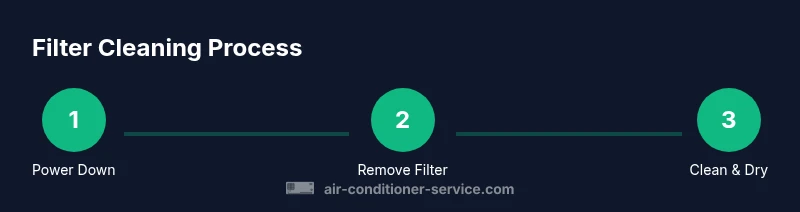
This section outlines the main actions you'll perform. You’ll power down the unit, remove the filter, identify its type, carefully clean or replace, dry thoroughly, and reinstall. After reinstalling, run the system on a short cycle to confirm airflow returns to normal. The following steps, provided in the dedicated STEP-BY-STEP block, translate this overview into precise actions you can follow confidently.
How to Clean Washable Filters: A Practical Cleaning Method
Washer-safe or metal filters can be cleaned by rinsing with cool water and mild soap. Use a soft brush to loosen embedded dust without bending the filter material. Rinse until clear, then shake out excess water. Do not use hot water, abrasive cleaners, or high-pressure jets that can warp the mesh. Dry the filter completely on a flat surface or hanging rack before reinstalling. Proper drying is critical to prevent mold growth and odor after reinstallation.
How to Handle Disposable Filters: Inspect, Replace, and Reuse Cautiously
Disposable filters should be replaced rather than cleaned. If a disposable filter looks dirty, clogged, or discolored, replace it with a new one of the same size and rating. When replacing, check the seal around the filter frame to ensure an airtight fit. Keep a small supply of replacement filters on hand to minimize downtime. After installation, reset your thermostat or furnace control as needed to ensure the system runs smoothly.
Maintenance and Long-Term Care: Build a Simple Schedule
Establish a routine for filter checks—monthly during peak heating or cooling seasons and every 2-3 months during mild periods. Mark your calendar or set a reminder so you don’t skip maintenance. Clean washable filters as needed between replacements; disposable filters should be replaced on a regular schedule not tied to cleaning. Pair filter maintenance with other routine HVAC care, like cleaning the coils and ensuring the condensate drain line is clear. Air Conditioner Service recommends documenting maintenance dates for future reference.
Troubleshooting: When to Call a Pro
If you notice persistent reduced airflow after cleaning or replacing the filter, abnormal noises, or unusual odors, consult a licensed HVAC technician. Mold growth, water leaks, or coil frost can indicate problems beyond filter maintenance. Also, if you’ve recently installed a filter with the wrong size or rating, seek professional help to avoid potential damage to the blower or ductwork.
References and Further Reading
For more detailed guidance, see Energy.gov's HVAC and air filter resources and EPA’s indoor air quality information. These sources provide validated recommendations on filter selection, maintenance frequency, and safety practices. Air Conditioner Service also publishes practical troubleshooting tips for homeowners and renters seeking reliable, step-by-step solutions.
tipStyleBlocksTypeMergeTagmentsYouCanUseOnly
titleForStepBlockMergeTagmentsYouCanUseOnly
Tools & Materials
- Soft brush (e.g., toothbrush or small detailing brush)(Gentle bristles to loosen dust without tearing the filter mesh)
- Microfiber cloth(Used to wipe the frame and remove surface dust)
- Mild dish soap(Dilute in water for washable filters)
- Bucket or basin(For rinsing and catching dirty water)
- Water (cool to lukewarm)(Avoid hot water that can warp filters)
- Gloves(Protect hands from dust and sharp edges)
- Replacement filter (if disposable or damaged)(Keep on hand for immediate replacement)
- Old towel or drop cloth(Catches drips and protects surfaces)
Steps
Estimated time: 60-90 minutes
- 1
Power down and locate the filter
Turn off the AC at the thermostat and, if possible, at the circuit breaker. Open the return air grille or access panel to locate the filter. Note the filter’s orientation arrows to ensure correct reinstall.
Tip: Power off first to prevent injury or shock; use a flashlight to clearly see the filter. - 2
Remove the filter safely
Carefully slide the filter straight out without bending or twisting it. Place it on a clean surface and inspect for damage, dirt level, and whether it is washable or disposable.
Tip: Handle filters gently to avoid tearing; check both sides for dust buildup. - 3
Identify the type and cleaning method
If it’s a washable metal/plastic type, you can clean it with mild soap and cool water. If it’s disposable or damaged, plan to replace it with a new one of the same size and rating.
Tip: Never attempt to wash a truly disposable paper or fiberglass filter. - 4
Clean a washable filter
Rinse the filter under cool water to remove dust. Apply a small amount of mild soap with a soft brush, gently scrubbing to lift grime. Rinse until clear and shake out excess water.
Tip: Avoid hot water or high pressure that could warp the mesh. - 5
Dry the filter completely
Place the filter on a dry towel or rack in a well-ventilated area. Allow at least 1–2 hours for full drying; a damp filter can harbor mold when reinstalled.
Tip: Do not reinstall until fully dry to prevent odor and mold growth. - 6
Reinstall and test the system
Slide the filter back into its frame with arrows aligned. Reattach the grille or panel, restore power, and run the unit briefly to confirm air is flowing normally.
Tip: Check the seal around the filter edge to ensure there are no air leaks. - 7
Replace disposable filters as needed
If the filter is disposable and dirty, replace it with a new one of the same type and rating. Keep a small stock to avoid downtime.
Tip: Frequent replacements maintain airflow and efficiency. - 8
Document maintenance
Record the date of cleaning or replacement and note any observations (e.g., unusually dirty dust or mold). Update your maintenance calendar for future reference.
Tip: A simple log helps you maintain a consistent schedule.
Common Questions
How do I know if my air conditioner filter needs cleaning?
If you notice reduced airflow, higher energy use, or visible dust buildup, it's time to clean or replace the filter. Always check the manufacturer's guidelines for your specific filter type.
If you notice weaker airflow or dust, it's time to take a look at the filter and clean or replace it per the manual.
Can I clean a disposable filter?
Disposable filters are designed to be replaced, not washed. If the filter is dirty, replace it with a like-for-like filter. Replacements should match size and MERV rating recommended by the manufacturer.
Disposable filters aren’t meant to be washed—replace them with a new one of the same size.
Is it safe to clean the filter while the AC is running?
No. Always turn off power at the thermostat and breaker before removing or cleaning the filter to prevent injury and protect the system.
Turn off the system before you start; don’t work on the filter while it’s powered.
What should I do if I find mold on the filter?
If you see mold, replace the filter if disposable, or thoroughly clean and dry a washable filter before reinstalling. If mold persists, consult a professional HVAC technician.
Mold means action is needed—replace disposable filters and dry washable ones completely before use.
How often should I clean or replace my filter?
In dusty environments, check monthly and clean/replace as needed. In milder environments, a 2–3 month interval is typical. Always follow the filter manufacturer’s guidelines.
Check your filter regularly and follow the manufacturer’s guidance for cleaning or replacement.
Watch Video
The Essentials
- Inspect filter type before cleaning
- Washable filters require drying before reinstall
- Replace disposable filters when dirty or damaged
- Keep a simple maintenance log for consistency
- Avoid harsh cleaners and heat to protect filter media