How Much Does It Cost to Install an Air Conditioner? Practical Budgeting Guide
This guide breaks down AC installation costs, including unit types, ductwork, labor, and permits, with realistic ranges and budgeting tips for homeowners in 2026.


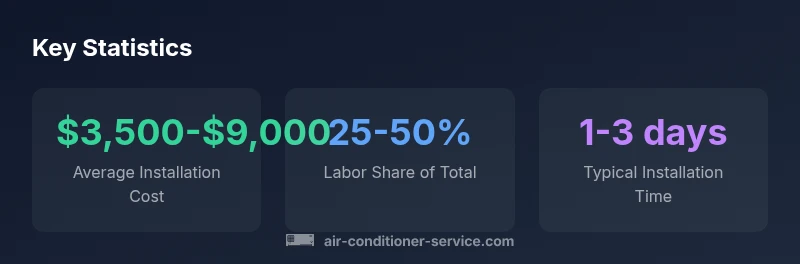
The typical cost to install a central air conditioner ranges from about $3,500 to $9,000, depending on unit size, SEER efficiency, ductwork needs, and local labor rates. If you already have ducts, you may see costs at the lower end; new ductwork or upgrades can push prices higher. Window or portable units are far cheaper to install but provide different cooling options.
Cost Framework: What you pay for
When you ask how much does it cost to install an air conditioner, you’re really looking at a bundle of line items: the equipment itself, installation labor, any ductwork or electrical upgrades, permits, and potential disposal or replacement of old equipment. For 2026 budgets, a central air system typically starts with the unit price plus installation; reusing existing ductwork can reduce costs, while new ducts or significant upgrades can push the total higher. The most reliable way to budget is to map costs to your home’s specifics: home size, insulation, climate, and desired efficiency. Higher SEER ratings improve operating costs over time but start with a higher upfront price. For renters or smaller spaces, options like window or portable units may be appropriate, carrying much lower installation costs and simpler permits.
Unit Type and System Design
Central air conditioning usually requires a ducted system, which makes upfront costs heavily dependent on duct design, attic accessibility, and the complexity of the install. Ductless mini-splits offer a modular alternative that typically requires less ductwork and can be cheaper upfront, especially in homes without existing ducts. Window units and portable air conditioners cost the least to install but deliver cooling in a single space rather than whole-home comfort. When evaluating cost, consider future needs as well, such as adding rooms or upgrading to higher efficiency equipment. A well-designed system also accounts for humidity control and zoning, which can influence both price and comfort.
Ductwork: Hidden driver of price
Ductwork is often the largest variable in installation pricing. If your home already has a well-sealed, appropriately sized duct system, you’ll likely see lower labor and material costs. If ducts must be added or significantly altered to meet airflow requirements, energy codes, or to correct leaks, expect higher expenses. Duct sealing, insulation, and measuring airflow are also cost factors that impact long-term efficiency and comfort. In some homes, a hybrid approach—ducted for main living areas and ductless for bedrooms—can balance upfront costs with long-term energy savings, albeit with a more complex installation.
Labor Costs by Region and Contractor Type
Labor rates vary widely by geography and contractor. Urban areas with high living costs typically see higher installation prices, while rural regions may be more affordable. The choice between a large HVAC company and a small local contractor can also shift the total; large firms may offer broader warranties but at a premium, while independents might provide personalized service and lower overhead. When requesting quotes, ask for a breakdown of labor charges, travel fees, and any required equipment or materials. Scheduling during the off-peak season can also yield better pricing.
Permits, Inspections, and Codes
Permits and inspections are essential in many jurisdictions and can add hundreds of dollars to the project. Codes require certain clearances, refrigerant handling, and electrical work that, if performed improperly, can lead to costly rework or safety issues. Your contractor should provide a formal permit plan and be transparent about any local code requirements. Permitting costs vary by city and county, so always confirm the expected fees during the planning stage and factor them into your contingency budget.
Hidden Costs and Common Surprises
Installations can uncover surprises that alter the price: insufficient electrical capacity, older homes needing panel upgrades, upgraded outdoor condensers, or adding zoning diverters. Refrigerant line replacements, thermostat upgrades, and condensate drainage improvements can add to the final bill. It’s also wise to budget for disposal of old equipment, line-set replacement, or upgrading to a higher-efficiency outdoor unit if your home’s insulation and windows are aging. Planning for these contingencies helps prevent sticker shock.
Financing, Warranties, and Rebates
Many homeowners finance AC installation through contractor financing or energy-efficiency loan programs. Warranties typically cover the equipment and some labor, but terms vary, so read the fine print. Look for rebates or incentives from manufacturers, utilities, or local governments that promote energy efficiency. Checking with a few local utilities can uncover seasonal promotions or bundled maintenance offers that improve long-term value. Keep warranty documentation organized to maximize protection should issues arise.
Budgeting Your Installation: A Step-by-Step Plan
- Define your cooling goals: size, zoning, and desired comfort level. 2) Get at least three detailed written quotes with itemized cost breakdowns. 3) Compare unit types (central, ductless, window) based on home layout and future needs. 4) Account for permits, electrical upgrades, and duct modifications in your budget. 5) Add a 10-20% contingency for unexpected costs. 6) Schedule an energy audit or insulation assessment to maximize efficiency and further savings. 7) Confirm warranty terms and any possible rebates before proceeding. 8) Keep all receipts and maintenance plans for future service.
Practical Budgeting Tips: Choosing the Right Installer
Ask installers about their experience with your home type, confirm they handle permits, and request a no-surprises contract. Look for transparent pricing, references, and a clear warranty policy. A comprehensive proposal should include a system performance estimate, which helps you compare true long-term costs instead of upfront price alone. Air Conditioner Service recommends interviewing at least three contractors and prioritizing those with strong energy-efficiency credentials and solid post-installation support.
Typical cost components for AC installation
| Cost Component | Typical Range | Notes |
|---|---|---|
| Central air conditioner unit | $3,000-$7,500 | Size and efficiency drive price |
| Labor and installation | $1,000-$3,000 | Regional variability and contractor type |
| Ductwork modifications | $500-$2,500 | May be needed for new layouts or sealing |
| Permits/inspections | $100-$500 | Local jurisdiction dependent |
| Duct sealing/insulation | $200-$1,000 | Improves performance and reduces leaks |
| Electrical upgrades | $200-$1,500 | Panel or wiring enhancements may be required |
Common Questions
What is the typical cost range to install central air?
Central AC installation costs vary widely by home size and system type, but a commonly cited range is in the thousands of dollars, influenced by ductwork, electrical upgrades, and efficiency rating.
Central AC installation costs can vary widely, but expect a multi-thousand-dollar range depending on ductwork and efficiency.
Do I need ductwork for central air?
Most central systems require ductwork. If your home lacks ducts, costs increase for installing them or you may choose a ductless option.
Ductwork is usually needed for central air; without ducts, you may need to install or upgrade them or choose a ductless system.
Is a ductless mini-split cheaper than central AC upfront?
Ductless systems often have lower upfront costs in smaller spaces, but multi-zone setups can add up. They save on ductwork and can be efficient for aging homes.
Ductless can be cheaper upfront in some layouts, especially if you avoid ductwork, but multi-zone setups add complexity.
How long does installation take?
Most installations take 1-3 days for central systems, depending on home layout, ductwork, and electrical work required.
Most central AC installs take 1 to 3 days, depending on duct and electrical work.
Are rebates or incentives available for AC installation?
Yes, many utilities and manufacturers offer rebates or incentives for high-efficiency units. Check local programs and consider energy audits for qualifying upgrades.
Many utilities offer energy-efficiency rebates; check local programs before purchasing.
Should I replace my thermostat with the new system?
Upgrading to a modern smart thermostat can improve efficiency and control. Some installers include it in the package, others charge separately.
A smart thermostat often improves efficiency and control; discuss options with your installer.
“Investing in proper installation pays off in efficiency, reliability, and long-term savings.”
The Essentials
- Budget realistically with a 10-20% contingency
- Compare quotes from at least 3 contractors
- Ductwork decisions can drastically affect cost
- Higher efficiency upgrades pay off over time
- Permits and inspections add to total cost