Air Conditioner Installation Cost Guide 2026: What to Expect
Explore air conditioner installation cost ranges, key drivers, and budgeting strategies. Learn how system type, labor, permits, and timing shape price, plus practical tips to compare estimates and avoid surprises.


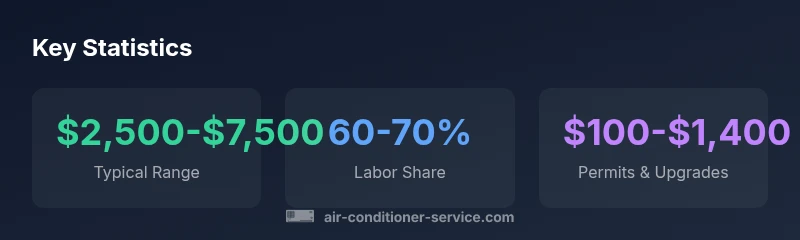
Air conditioner installation cost typically ranges from about $2,500 to $7,500 for most homes, with windows and simple projects at the lower end and full central systems or ducted upgrades at the higher end. The final price depends on system type, ductwork needs, electrical upgrades, permits, and regional labor rates. This guide breaks down those factors so you can budget accurately and avoid surprise charges in the process.
Why air conditioner installation cost varies across homes
Understanding the air conditioner installation cost starts with recognizing the many moving parts behind the price. System type is the dominant driver, but the layout of your home, the presence of existing ductwork, electrical panel capacity, and even soil conditions around the outdoor compressor can all influence final numbers. A typical project may look straightforward on paper yet reveal hidden costs once the team inspects your attic, crawlspace, or basement. Homeowners who prepare for this variability tend to secure better estimates and smoother installations. When planning, consider not only the sticker price but also the long-term value, including reliability, efficiency, and potential rebates. This approach helps you evaluate the true cost of ownership and ensures your air conditioner installation cost aligns with your budget and comfort goals.
In this context, it’s useful to compare apples to apples—system type, scope, and service inclusions—so you can make informed decisions and avoid surprise charges. As you read on, you’ll see how to distinguish essential upgrades from optional enhancements and how those choices affect the bottom line. The goal is to arrive at a well-supported estimate that reflects real-world variables rather than optimistic guesses.
Cost components by system type
Most homeowners face three primary pathways for air conditioner installation cost: window or through-the-wall units, central air conditioning (split systems), and ducted or ductless mini-splits. Window units are typically the least expensive option and are often chosen for apartments or short-term occupancy, with simple installation and minimal ductwork. Central air installations involve outdoor condensers and indoor air handlers with duct systems, which adds complexity and cost. Ducted mini-splits offer zoning flexibility but introduce refrigerant lines, electrical work, and potentially new or upgraded electrical panels. For each pathway, the major cost drivers include equipment price, labor intensity, ducting or piping requirements, electrical upgrades, and permits. If your home has an outdated electrical panel or limited attic access, those factors will push the air conditioner installation cost upward. Understanding these differences helps you estimate pricing more accurately and prepare for trade-offs between upfront cost and long-term efficiency.
Labor rates, permits, and regional factors
Labor rates vary by region, and that alone can swing the air conditioner installation cost by hundreds to thousands of dollars. Permitting requirements also add to the price, especially in areas with strict building codes or frequent inspections. Electrical upgrades—such as panel upgrades or dedicated circuits for high-efficiency compressors—are common add-ons that impact both labor time and parts cost. In densely populated urban areas, labor costs tend to be higher, and scheduling can add to project duration. Conversely, rural regions may offer lower rates but longer travel times for technicians. When budgeting, factor in local labor norms, permit fees, and potential electrical work to provide a more accurate total. This context helps you avoid underestimating the investment and ensures you’re prepared for the full air conditioner installation cost landscape.
Hidden costs and add-ons homeowners should anticipate
Beyond the base price, several hidden costs can appear during installation. Ductwork modifications, refrigerant line replacements, and electrical panel upgrades are common drivers of price growth. Improper insulation or inadequate duct sealing can reduce system performance, potentially increasing operating costs over time. Thermostat upgrades and smart controls, while beneficial, can add to the upfront cost. Also consider required condensation drainage work and potential attic or crawl space access improvements. To minimize surprises, request an itemized estimate that flags each component and its cost, and ask for a detailed scope of work before signing a contract. The more transparent the bid, the easier it is to control the air conditioner installation cost while preserving quality and efficiency.
A practical 5-step method to estimate costs for your home
A reliable estimate starts with solid information. Here is a practical 5-step method you can use to estimate air conditioner installation cost for your home: 1) Define the system type you want (window, central split, ducted mini-split, or full ducted replacement). 2) Inventory existing components (ductwork, electrical capacity, and insulation). 3) Obtain at least three itemized quotes with scope details. 4) Identify required upgrades (electrical, duct sealing, or permits). 5) Compare total costs, warranties, and maintenance plans, then choose the best value rather than the lowest price. This approach ensures you capture the true air conditioner installation cost and the long-term benefits of each option.
Financing and budgeting options to manage air conditioner installation cost
Financing options can help manage upfront costs without sacrificing essential comfort. Many contractors offer 0% or low-interest financing for qualifying projects, and manufacturers sometimes provide rebates or subsidized payment plans for high-efficiency units. When budgeting, consider long-term energy savings alongside the upfront air conditioner installation cost. If you’re planning to stay for several years, investing in a high-efficiency system may reduce operating costs and shorten the payback period. Explore utility rebates, manufacturer incentives, and local programs that support efficient cooling solutions. This can help you spread the air conditioner installation cost over time while maximizing value.
The value beyond upfront cost: long-term savings and comfort
Upfront installation costs are only part of the story. A well-chosen system delivers better comfort, fewer repairs, and lower energy bills over its lifespan. When evaluating options, consider seasonal performance, noise levels, and warranty terms. A higher-grade unit with robust duct sealing and proper insulation can reduce heat gain, keep temperatures steadier, and minimize energy waste. Even small improvements—like sealing leaks or upgrading to a programmable thermostat—can compound savings over time. With that perspective, the air conditioner installation cost becomes a strategic investment in home comfort, reliability, and long-term financial health. Air Conditioner Service recommends prioritizing value, long-term efficiency, and solid contractor support when budgeting for a cooling upgrade.
Typical cost ranges and drivers by system type
| System Type | Typical Installation Cost Range | Key Cost Drivers | Notes |
|---|---|---|---|
| Window unit | $150-$700 | Low complexity; minimal ducting | Best for small spaces; fastest install |
| Central air (split system) | $3,500-$7,500 | Outdoor condenser, indoor air handler, ductwork | Most common; labor-intensive; may require electrical upgrades |
| Ducted mini-split | $4,000-$12,000 | Multiple zones, refrigerant piping, electrical work | Flexible; no ducts but higher up-front |
| Full ducted system replacement | $5,000-$15,000 | Ductwork replacement, electrical, permits | High upfront; best for long-term efficiency |
Common Questions
What factors affect air conditioner installation cost the most?
The largest factors are system type, ductwork needs, electrical upgrades, and local labor rates. Permits and timing can also push costs up, especially in regions with stricter codes. A detailed, itemized quote helps you see how each element contributes to the total.
Key cost drivers are the system type, ductwork, and local labor rates, plus permits and timing.
Do I need permits for installation and does that affect cost?
Yes, many jurisdictions require permits for new or replaced HVAC installations. Permits add to the price and ensure safety standards are met. Your installer should provide a permit-ready scope and include any associated fees in the estimate.
Permits are often required and can add to the cost, so budget accordingly.
Is it ever cheaper to install a system myself?
DIY installation is not recommended for most HVAC projects due to safety, code compliance, and warranty concerns. A professional ensures proper refrigerant handling, electrical connections, and system sealing, which protects your investment and comfort.
DIY isn’t usually worth the risk; pros handle safety and codes.
How can I reduce air conditioner installation cost without sacrificing quality?
Request itemized bids, compare warranties, and ask about bundled services (installation plus duct sealing). Consider a phased approach or delaying non-essential upgrades until after core installation. Negotiating with multiple contractors can also reveal opportunities for savings.
Get multiple bids and compare warranties to save without sacrificing quality.
How long does installation typically take?
Most installations take 1–2 days for a standard central system, but complex setups with extensive ductwork or electrical upgrades can extend to 3–4 days. Scheduling gaps can add a few days in some markets.
Most installs finish in a couple of days; complex jobs may take longer.
Does installation cost include warranty coverage and post-installation support?
Most installations include a warranty on parts and labor for a defined period. Be sure to confirm what is covered, whether refrigerant leaks or compressor failures are included, and whether routine maintenance visits are part of the package.
Warranty terms vary; confirm coverage for parts, labor, and service visits.
“The most accurate way to estimate air conditioner installation cost is to itemize every component—unit, labor, permits, and potential upgrades—before choosing a contractor.”
The Essentials
- Get multiple, itemized estimates to lock in price
- Factor permits and electrical upgrades into the total
- Consider energy-efficient units for long-term savings
- Ask about warranty and post-installation support