How Much Is Air Conditioner Installation: Costs, Factors, and Budgeting
Explore the true cost of air conditioner installation, including system types, regional variation, and hidden fees. Learn how to estimate, compare quotes, and maximize value for your home.


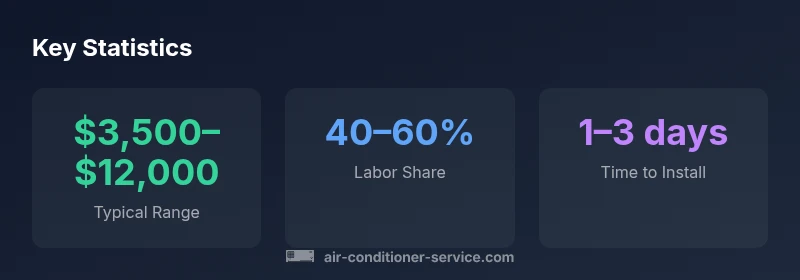
The typical installed cost for an air conditioner ranges widely depending on system type and home specifics, but most residential projects fall between about $3,000 and $10,000 before tax credits or rebates. This includes equipment, labor, and basic installation, while more complex jobs with ductwork or electrical upgrades can exceed $12,000. Always request a formal quote after a site assessment.
Understanding the Installed Cost Landscape
When you ask, how much is air conditioner installation, the short answer is: price depends on many moving parts. The base cost generally covers the equipment, labor, and standard permitting. In practice, the total can vary widely based on the chosen system, the condition of your home, and the electrical and ductwork work required. Homeowners often underestimate the impact of ductwork, old wiring, or the need for a dedicated outdoor disconnect. According to Air Conditioner Service, the most reliable way to establish a value is to start with a site assessment and obtain multiple formal quotes. For context, official guides from Energy.gov stress that installation costs reflect both equipment and labor, plus any site-specific upgrades. As you plan, remember that incentives, rebates, and future energy savings can shift the long-term value of your investment. See Energy.gov’s guidance on buying and installing air conditioners for a baseline reference.
What Drives the Price: System Type and Complexity
Pricing starts with the system type and the complexity of the installation. A central split system (ducted) typically commands higher labor and ductwork costs than simple window units. Mini-splits (ductless) often have higher equipment costs but lower labor if ductwork is not required. If your home currently lacks a suitable electrical panel or there is a need for upgrading wiring, expect added labor and material costs. In contrast, replacing an aging unit in a straightforward setup can be more cost-efficient. Reliable industry sources emphasize that the cost drivers include system size, efficiency tier, permitting, and any required structural modifications. For practical planning, ask contractors to itemize labor, materials, permits, and potential electrical upgrades, so you can compare apples-to-apples. See Energy Star and DOE resources for additional context on unit efficiency and installation expectations.
Regional Variations and Permitting
Location matters. Local permitting rules, contractor labor rates, and travel time all influence final pricing. Regions with stricter permitting processes or higher labor costs will typically see higher installation quotes. Rural areas may save on labor but experience longer scheduling windows or limited contractor availability. The cost of disposal and refrigerant handling can also fluctuate by region. When budgeting, check whether your quote includes the permit fees, inspection costs, and any required structural modifications. The cost landscape is further shaped by climate considerations—homes in scorching regions might require larger systems or additional components to maintain comfort during peak months. For accurate regional context, consider local government resources and industry associations that publish typical permitting costs.
Hidden Fees and Common Add-Ons
Many quotes include items you might not anticipate. Common add-ons include electrical upgrades (breaker panels, dedicated circuits, or subpanels), duct cleaning or sealing, new condensate drainage, and outdoor disconnects. In some homes, you may need new thermostats, weatherization, or upgraded refrigerant lines, which can add to the project total. Unexpected complications—like limited clearance for outdoor units or damaged ducts—also surface as surcharges. To avoid sticker shock, request a line-item breakdown in writing, confirm the scope of work, and ask how changes are priced. Energy-conscious homeowners can also explore rebates and incentives that help offset upfront costs.
How to Budget: A Step-by-Step Estimation Method
Follow a practical budgeting framework to avoid surprises. Step 1: Define your cooling needs (room count, sun exposure, insulation, and occupancy). Step 2: Gather at least three formal quotes with scope details. Step 3: Break down each quote into equipment cost, labor, permit, and add-ons. Step 4: Add a contingency of 5–15% for unknowns and future maintenance. Step 5: Research available rebates or tax incentives and factor them into the net cost. Step 6: Plan for long-term savings from higher-efficiency equipment. A transparent, well-documented quote makes it easier to compare the true cost of installation rather than the sticker price alone.
Financing, Warranties, and Maintenance Considerations
Installation cost is only part of the story. Ask about manufacturer warranties and contractor warranties on both equipment and labor. If you plan to finance, compare loan terms, interest rates, and any promotional offers. Maintenance costs after installation can affect the total cost of ownership; include annual tune-ups and potential filter replacements in your long-term budget. Although upfront prices grab attention, the best value often comes from a system that blends reliability, efficiency, and reasonable maintenance over its lifespan. For additional guidance, consult authoritative sources on energy efficiency and installation best practices.
Quick Cost Ranges by System
- Central AC (Ducted): $3,500–$12,000
- Mini-split (Ductless): $2,000–$8,000 per zone
- Window unit: $150–$700
- Portable AC: $250–$600
These ranges reflect typical market behavior and assume standard installation conditions. Complex homes or multi-zone setups can push costs higher. Always pair a price range with a detailed quote that outlines exact scope, equipment efficiency, and warranty terms.
Estimated installation costs by system type (range).
| System Type | Typical Installation Cost Range | Notes |
|---|---|---|
| Central AC (Ducted) | $3,500–$12,000 | Includes unit, ducts, labor; complexity varies |
| Mini-split (Ductless) | $2,000–$8,000 per zone | Single-zone; multi-zone increases cost |
| Window unit | $150–$700 | Low-cost option; best for smaller spaces |
| Portable AC | $250–$600 | No permanent installation; venting required |
Common Questions
How is installation cost calculated?
Installation costs are a combination of equipment price, labor, permitting, and possible site upgrades. A job with ductwork, electrical upgrades, or added insulation will be higher. Always ask for a detailed line-item quote from the contractor.
Installation costs come from equipment, labor, and any needed upgrades. Get a detailed quote to compare.
Is it cheaper to replace the whole system or upgrade components?
Replacing the entire system can offer greater long-term reliability and energy efficiency, but upgrading critical components may be more cost-effective for older setups. A professional assessment helps determine the best long-term value.
Usually, a full replacement is best for efficiency, but an expert can advise based on your situation.
Do installers require permits for installation?
Many jurisdictions require permits for outdoor units, electrical work, and duct modifications. Your contractor should handle permit coordination and inform you of any additional fees.
Permits are often required; your installer should manage them and explain costs.
What factors cause price variations by region?
Labor rates, permit costs, demand, and weather-related scheduling disparities drive regional differences. Urban areas generally cost more than rural zones due to labor and access considerations.
Where you live affects quotes because of labor and permitting costs.
What should I look for when getting quotes?
Look for a detailed scope, equipment model numbers, efficiency ratings, warranty terms, and a clear payment schedule. Compare quotes side by side and verify that all added costs are disclosed upfront.
Ask for a full scope, model numbers, warranties, and a transparent breakdown.
Are rebates or tax incentives available for installation?
Many regions offer energy-efficiency rebates or tax incentives for installing high-efficiency units. Check federal and local programs and factor any credits into your upfront cost.
There may be rebates—check federal, state, and local programs.
“"Cost certainty comes from a clear scope and a documented quote that lists all required work. The more you understand the exact components, the less you pay in the end for surprises."”
The Essentials
- Know your system type to estimate cost bands.
- Expect labor and ductwork to drive most of the price.
- Get formal quotes with scope and materials broken out.
- Consider regional variations and permits in pricing.
- Factor rebates and maintenance into long-term value.