How Much Does a New Air Conditioner Cost in 2026 for Homes
Discover realistic cost ranges for a new air conditioner in 2026, including central and ductless systems, installation, and energy-saving upgrades.


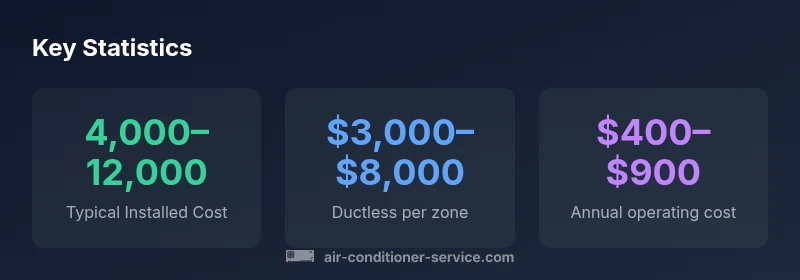
The cost of a new air conditioner varies widely depending on system type and installation complexity. For most homes, installed central AC typically ranges from about $4,000 to $12,000, while ductless mini-splits run roughly $3,000 to $8,000 per zone. Energy efficiency, SEER ratings, and ductwork modifications can push totals higher.
What Influences the Price of a New Air Conditioner
The total cost to install a new air conditioner depends on several interrelated factors. System type (central, ductless, or window), the home's size and insulation, existing ductwork, and required electrical upgrades all push the price up or down. The efficiency rating, measured by SEER, directly impacts upfront cost and ongoing energy bills. Additional costs include refrigerant line sets, permits, and potential duct modifications. For homeowners planning ahead, it's essential to consider not only purchase price but also installed cost, which reflects labor, materials, and any required modifications. According to Air Conditioner Service, accurate sizing and professional installation are critical to avoid overspending and ensure reliable cooling.
Cost Ranges by System Type
- Central air conditioning (split system): typically installed costs range from $4,000 to $12,000, depending on size, ductwork, and SEER.
- Ductless mini-splits (per zone): typically $3,000 to $8,000 per zone, including outdoor and indoor units.
- Window or portable units: a lower-cost option, usually $300 to $1,500 for a single unit; not ideal for whole-home cooling.
- Heat pumps (all-in-one with heating): $5,000 to $15,000 or more, depending on climate and efficiency.
Note: These ranges assume standard installation in a typical home. Actual prices vary by region, contractor, and any required upgrades.
Upfront Costs vs Long-Term Savings
Upfront price is only part of the story. Higher SEER ratings (more efficient models) typically cost more initially but reduce energy bills over time. Look for rebates, tax credits, and utility incentives that can offset the premium for efficient equipment. When evaluating a quote, compare not just the purchase price but the 15- to 20-year operating cost, which is heavily influenced by your local climate and electricity rates. Energy-efficient systems also tend to favor longer-term reliability and quieter operation, which adds intangible value beyond dollars saved on energy.
Installation Considerations and Pitfalls
Choosing the lowest bid can be tempting, but installation quality matters as much as the unit itself. Ensure your contractor is licensed, insured, and provides a written estimate detailing ductwork mods, electrical work, permits, and a commissioning test. Poor duct sealing or undersized lines can erase energy savings. Schedule a site assessment to confirm system sizing and note any required upgrades. Warranty coverage often hinges on proper installation, so insist on a documented installation protocol and a post-installation check.
Financing, Warranties, and Budgeting Tips
Many homeowners spread the cost with financing options or manufacturer/installers’ promotions. Consider a maintenance plan that includes annual checkups and coil cleaning, which helps sustain efficiency and prevent costly repairs. Compare warranty terms: a longer compressor warranty can offset higher upfront costs, but ensure the coverage aligns with your expected lifespan. Finally, set a realistic budget buffer for contingencies like duct repairs or electrical upgrades that your quote may reveal.
Practical Steps to Estimate Your Cost
- Determine cooling needs based on home size, insulation, and climate. 2) Request at least three quotes from licensed installers and ask for itemized line-by-line costs. 3) Check for available rebates or tax credits and estimate potential energy savings using a simple calculator. 4) Factor in ductwork, electrical upgrades, and any required permits. 5) Plan for future maintenance and a potential upgrade cycle every 12–15 years. Following these steps helps you avoid sticker shock and choose a system that balances comfort and cost.
Cost ranges by system type (installed, rough estimates)
| System Type | Typical Installed Cost Range | Key Factors |
|---|---|---|
| Central AC (split system) | $4,000–$12,000 | Size, ducts, SEER, installation complexity |
| Ductless mini-split (1 zone) | $3,000–$8,000 | Number of indoor units, line length, outdoor unit efficiency |
| Heat pump (with heating) | $5,000–$15,000 | Climate, efficiency, refrigerant, backup heat |
| Window/Portable AC | $300–$1,500 | Single-room cooling, portability, noise |
Common Questions
What is the typical installed cost for central air conditioning?
Most homes see installed central AC costs between $4,000 and $12,000, depending on size, ductwork, and efficiency. Quotes vary with contractor and region, and permits may add to the total. Always confirm what is included in the estimate.
Typical installed central AC costs range from four to twelve thousand dollars, depending on size and ductwork. Ask for a detailed quote that itemizes each cost.
Do prices include ductwork or upgrades?
Not always. If your existing ducts are undersized or damaged, upgrades or repairs add to the cost. A pre-install inspection helps identify duct issues and prevent surprise expenses.
Ductwork is not always included. A pre-install inspection helps catch duct issues and budgeting for upgrades.
Are high-SEER units worth the extra upfront cost?
In hot climates or long-term use, higher SEER units can pay off through lower energy bills. The break-even timeline depends on climate, energy costs, and usage patterns, so run an energy-savings comparison before deciding.
Higher SEER can save money over time, but check a local energy estimate to see when it pays off.
How long does installation take?
Most installations take one day to a few days depending on system type and home layout. Complex ductwork or rooftop installs may extend timelines.
Most installs take about one day, sometimes a few days if ductwork changes are needed.
What rebates or tax credits could reduce the price?
Federal tax credits, utility rebates, and manufacturer promotions can offset part of the cost. Check current programs and eligibility with your installer or utility provider.
There can be rebates and tax credits that reduce the upfront cost; verify eligibility with your installer.
Should I replace my system now or repair it?
If repairs approach or exceed a significant fraction of replacement cost, or the system is inefficient, replacement often offers better comfort and long-term savings. A professional should assess the remaining lifespan and energy use.
If repair costs approach replacement costs or efficiency is poor, replacement is usually better.
“A well-sized, properly installed AC system delivers comfort now and savings over its lifetime.”
The Essentials
- Obtain at least 3 written quotes from licensed installers
- Consider SEER/HSPF ratings to balance cost and savings
- Account for ductwork and electrical upgrades in your budget
- Explore rebates and financing to reduce upfront costs
- Choose a reputable installer to protect warranty and comfort