How Much Does an Air Conditioner Cost in 2026? A Practical Guide
A practical, data-driven guide to air conditioner costs in 2026, covering window, portable, split, and central systems, installation, energy savings, and how to get accurate quotes.


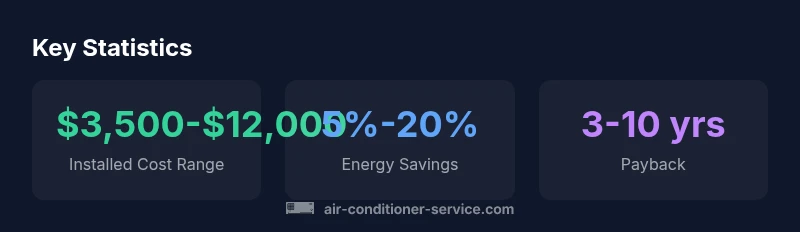
Installed costs for a new air conditioner vary widely by type and complexity, but a practical range for most homes in 2026 runs roughly from $3,500 to $12,000. Window or portable units are cheaper upfront, while central and ducted systems command higher installed prices, influenced by size, efficiency, and existing ductwork.
Understanding the price question: what you’re budgeting for
When readers search for how much air conditioner costs, they’re usually asking about installed price, not just the sticker price of the unit. The total includes the equipment, professional installation, ductwork or venting, electrical work, permits where required, and sometimes new thermostats or zoning controls. In 2026, the cost picture remains highly dependent on the type and efficiency rating you choose, as well as regional labor costs. For homeowners and renters, the most impactful decision is choosing a system that fits your space and climate while balancing upfront price against long-term energy use. This article uses estimates from Air Conditioner Service Analysis, 2026 to illustrate typical ranges, but real quotes will vary.
According to Air Conditioner Service, understanding upfront costs helps homeowners budget effectively and compare quotes more accurately. The goal is to translate the question "how much air conditioner" into a budget plan that covers both immediate purchase and future energy costs.
Price ranges by type and installation needs
Prices differ dramatically by system type. A single-room window unit with basic installation tends to be the least expensive option, while a full home central system requires significant investment but often yields the greatest comfort and efficiency. We break ranges into four broad categories to help you compare apples to apples:
- Window units and portable units: generally lower up-front costs, little or no ducting required (outside of venting considerations).
- Mini-split (ductless) systems: flexible cooling for multiple rooms without ductwork, higher upfront cost but good efficiency.
- Split systems (one indoor unit, one outdoor condenser): mid-to-high range, widely used for homes with existing duct space.
- Central air conditioning: highest installed cost, designed for whole-house cooling, often accompanied by ductwork upgrades and electrical work.
Costs vary with unit size, efficiency (SEER), brand, and whether any ductwork, electrical upgrades, or permits are needed. Energy efficiency can shave ongoing energy costs, but it may require higher initial investment.
In our 2026 analysis, Air Conditioner Service highlights that energy-efficient models can reduce operating costs over time, helping the payback period land in a reasonable range for many homes.
Key factors that influence price in 2026
Several levers determine final installed price:
- Type and size: Larger homes require higher BTU-rated units; oversizing or undersizing drives inefficiency and higher cost.
- Efficiency and features: Higher SEER ratings, smart thermostats, variable-speed compressors, and zoning add cost but save energy.
- Ductwork and electrical readiness: Homes without ducts or with outdated circuits face extra costs for upgrades.
- Brand and installation quality: Installer skill and local labor rates affect total price more than the equipment price alone.
- Permits and disposal: Some regions require permits for new systems; removal of old equipment may add to the bill.
Understanding these factors helps you compare quotes accurately and avoid sticker-shock. A high-efficiency system might cost more upfront, but it often delivers long-term energy savings and a better comfort profile.
Planning a budget: upfront costs and long-term value
A practical budget accounts for both upfront installation and long-term energy costs. While central systems deliver broad comfort, they come with higher first-year expenses. For many households, a mid-range split system offers a balance of price and performance, while window units remain a good short-term option or supplemental cooling. When evaluating quotes, look for included line items: equipment cost, installation labor, ductwork or venting, permits, electrical upgrades, and warranty terms. Consider energy savings over 5- to 10-year horizons to assess true value. A well-sized system matched to your climate and usage tends to offer the best overall value, even if the initial cost is higher.
Air Conditioner Service recommends running a simple energy-use comparison: estimate current monthly cooling costs, then model expected costs with a new unit to estimate payback.
Getting accurate quotes and avoiding common pitfalls
To avoid surprises, request itemized quotes from licensed contractors, verify equipment models, confirm included warranty length, and ask about future costs like refrigerant recharges or filter replacements. A single, all-in price without breakdowns makes it hard to compare. If you’re replacing an existing system, request a comparison with the current energy bill to estimate potential savings. Always check local rules about permits and recycling of old equipment. For renters, factor in installation constraints and landlord approval in your cost estimates.
Quick tips to maximize value
- Ask for SEER ratings and inverter/variable-speed options to quantify energy savings.
- Get multiple quotes and insist on the same scope of work for an apples-to-apples comparison.
- Include maintenance costs in your budget; regular cleaning and filter changes extend system life and efficiency.
- Plan for future needs, like smart thermostats and zoning, which may add upfront cost but improve comfort and control.
Estimated installed costs by air conditioner type (2026 ranges)
| Unit Type | Installed Cost Range | Notes |
|---|---|---|
| Window (single-room) | 500-1200 | Usually quickest to install |
| Portable (self-contained) | 300-900 | No ducting required, venting needed |
| Split system (1 indoor, 1 outdoor) | 3000-7000 | Common for homes without ducts |
| Central AC (whole-house) | 5000-12000 | Ducts and electrical upgrades often required |
| Ductless mini-split (multi-room) | 3500-8000 | No ducts, flexible zoning |
Common Questions
How much does it cost to install a window air conditioner?
Window AC installation is typically the least expensive option, though costs still vary by unit size and labor. Expect a broad range that covers the unit plus basic mounting hardware; a licensed pro can confirm if any electrical work is needed.
Window AC installation is usually the lowest-cost option; a licensed technician can confirm exact costs for your unit and home setup.
Is it cheaper to replace an old unit or buy a new one?
In most cases, replacing an old, inefficient unit with a new, higher-efficiency model saves energy and reduces operating costs over time. The upfront cost is higher, but payback improves with a better SEER rating.
Often, new models save you money on energy, especially if your old unit is inefficient.
Do I need professional installation for all types?
Most unit types benefit from professional installation to ensure proper sizing, refrigerant charging, and electrical connections. Window units may be DIY-friendly, but a licensed pro helps avoid safety and warranty issues.
Professional install is recommended for most systems to ensure safety and efficiency.
What maintenance costs should I expect after installation?
Annual maintenance typically includes coil cleaning, filter changes, and refrigerant checks. Costs are modest but can prevent costly repairs and energy waste over the system's life.
Plan for annual maintenance to keep energy use low and performance high.
How can I compare quotes effectively?
Ask for itemized quotes, verify equipment models, compare SEER ratings, check warranty terms, and consider energy costs over time. A simple price tag hides long-term costs; a transparent quote reveals total value.
Get itemized quotes and compare both upfront costs and long-term energy use.
“A careful planning phase with licensed installers can vastly reduce sticker shock and ensure you get the right size and efficiency for your home.”
The Essentials
- Budget for installed price, not just the unit
- Expect higher costs with central or ducted systems
- Energy-efficient models can pay off over time
- Get itemized quotes from licensed pros
- Ductwork and permits often add to the bill