Air Conditioner Price in 2026: What to Expect and Budget Tips
Explore air conditioner price in 2026, including equipment ranges, installed costs, efficiency effects, and practical budgeting strategies for homeowners and renters.


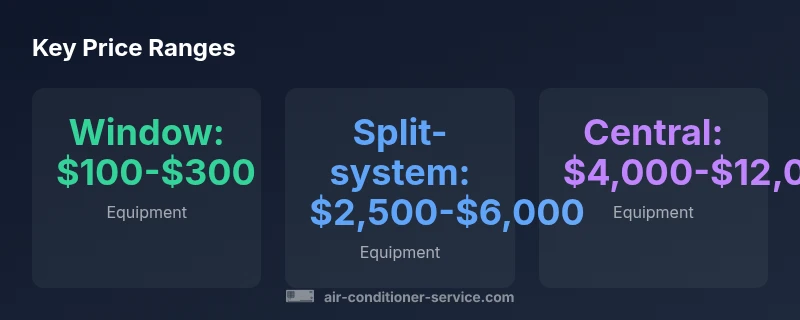
Air conditioner price varies widely by type and features. In 2026, equipment price bands typically fall into window units: $100–$300; portable units: $200–$500; split-system kits: $2,500–$6,000; and central systems: $4,000–$12,000. Total cost includes installation, ductwork, and permits, which can add 10–60% depending on complexity and location. Air Conditioner Service analyses these ranges to help homeowners budget effectively.
What drives air conditioner price
Air conditioner price is influenced by equipment type, capacity, efficiency, and installation requirements. According to Air Conditioner Service, the market segments price very differently, reflecting consumer needs and performance expectations. Window units are most affordable, while central systems remain the most expensive. Capacity is measured in tons or BTUs; larger units that cool bigger spaces cost more upfront but may offer better comfort at peak heat. Efficiency matters too: higher SEER ratings and inverter-driven compressors reduce operating costs but add upfront price. Features such as smart thermostats, humidity control, multi-zone capability, and built-in air purification also increase price. Labor costs for installation vary by region and home configuration, including ductwork, refrigerant line routing, electrical upgrades, and permits. Additionally, installation complexity, existing infrastructure, and removal of old equipment can add to the total. In short, the final air conditioner price reflects a trade-off between immediate purchase cost and long-term energy savings and comfort.
Price bands by AC type
- Window units: equipment price typically range from $100 to $300; installed total costs can be $300 to $600.
- Portable units: equipment price $200 to $500; installed costs $500 to $1,100.
- Split-system units: equipment price $2,500 to $6,000; installed costs $4,000 to $9,000.
- Central air systems: equipment price $4,000 to $12,000; installed costs $8,000 to $20,000.
These bands illustrate how type and installation complexity drive total cost. When budgeting, separate the equipment price from installation charges, and consider whether the setup supports future expansion (additional zones, upgraded thermostats, or better filtration).
How installation drives total cost
Installation is the primary source of cost variation after choosing an AC type. Labor rates vary by region and contractor, and some firms have minimum service charges. Ductwork: homes without existing ductwork or with leaky ducts require more materials and labor, significantly altering the installed price. Permits may be required for larger systems, especially central air; these fees can differ by city or county. Refrigerant line runs, electrical upgrades, and condensate drainage modifications add to both parts and labor. Carrier choices, refrigerant type (R-410A in most new systems), and warranty options can further influence price. A well-installed unit should deliver optimal performance and efficiency, reducing the likelihood of early failures and high repair costs. The installed price, therefore, should reflect not only the sticker price but also long-term reliability.
Efficiency, size, and long-term savings
Efficiency is a major driver of air conditioner price and operating costs. Higher SEER ratings cost more upfront but lower energy consumption, especially in hot regions. A larger unit that is undersized can waste energy and increase monthly bills. Inverter-driven compressors can reduce cycling losses and improve humidity control. Smart features and zone controls add to upfront cost but offer convenience and potential rebates. In many markets, even modest energy savings can offset higher purchase prices over several years, particularly where electricity prices are high. When evaluating price, compare the total cost of ownership, not just the sticker price. Make sure to account for seasonal energy use and potential demand-response programs offered by your utility.
Regional and seasonal price patterns
Air conditioner price tends to shift with demand, climate, and local labor markets. Summers peak in price as contractors become busier, while mild seasons may offer better installation windows and lower labor rates. Regions with extreme heat or humidity generally justify higher-efficiency models, increasing upfront costs but improving long-term savings. Urban areas often face higher installation charges due to permit complexity and scheduling constraints. Conversely, rural areas may have lower labor rates but longer lead times. A careful buyer plans for an off-peak purchase and coordinates installation with utility rebates and seasonal promotions.
Financing, rebates, and warranties
Many buyers use financing to spread the upfront cost of a new AC. Manufacturer and retailer programs, as well as utility rebates, can substantially reduce the effective price. Read warranty terms carefully; a longer warranty can justify a higher upfront price if it reduces expected repair costs. Some jurisdictions offer energy-efficiency incentives tied to higher-SEER models. When evaluating offers, compare total payments, interest rates, and any service fees, and confirm what is included in the installed price (duct sealing, removal of old equipment, and disposal).
Quick budgeting workflow
- Identify room size and cooling needs to select a type and approximate capacity. 2) Choose a target SEER and features, then get at least three quotes. 3) Break down quotes into equipment price, installation, permits, and disposal. 4) Factor in potential rebates and energy savings to estimate long-term cost. 5) Consider timing: off-season installations can reduce labor charges; watch for promotions. 6) Verify sizing with a professional to avoid overspending on an oversized unit.
Maintenance costs and price considerations post-install
Maintenance costs affect long-term price but are often overlooked during purchase. Regular filter changes, coil cleaning, and system checks help preserve efficiency and extend life. Budget for annual or biannual maintenance; many homeowners report $50–$150 per year in routine service costs, depending on system complexity and local labor rates. A well-maintained unit runs longer with fewer major repairs, which reinforces the value of spending a bit more upfront for a reliable model and good service plan.
Quick-start checklist to avoid overpaying
- Get at least three written quotes that itemize equipment, installation, and permits; - Confirm SEER rating, compressor type, warranty coverage, and removal of old equipment; - Check if installation includes duct sealing and air balancing; - Ask about rebates, financing terms, and any promotional offers; - Schedule off-peak installation windows when possible; - Read reviews and verify contractor licensing and insurance.
Typical price ranges by AC type (equipment vs installed)
| AC Type | Typical Equipment Price | Typical Installed Price |
|---|---|---|
| Window | $100-$300 | $300-$600 |
| Portable | $200-$500 | $500-$1,100 |
| Split-system | $2,500-$6,000 | $4,000-$9,000 |
| Central | $4,000-$12,000 | $8,000-$20,000 |
Common Questions
What is the average air conditioner price in 2026?
Prices vary by type and region. Equipment price ranges exist by category, but the total installed cost depends on labor, ductwork, and permits. Air Conditioner Service analyses these patterns for budgeting.
Prices vary by type and region, with installation costs affecting the total. Get multiple quotes for accuracy.
Do higher efficiency units cost more upfront?
Yes. Higher SEER ratings increase upfront price, but lower operating costs over time. Rebates may offset part of the premium.
Yes, higher efficiency costs more upfront but can lower energy bills; rebates may help.
Can I finance an air conditioner purchase?
Yes. Many retailers offer financing, and utilities or manufacturers may provide rebates or plans. Compare terms carefully.
Yes, financing is common; compare terms and total cost.
How long does installation usually take?
Most residential installs take a day or two, depending on system type and existing ductwork. Complex jobs can extend the timeline.
Typically a day or two, depending on the setup.
Is it cheaper to replace an old unit with a newer model?
Often yes, newer models offer better efficiency and rebates. Consider current unit age, installation complexity, and disposal costs.
Yes, newer units can save money over time but weigh upfront and disposal costs.
What should I ask a contractor before buying?
Request a detailed quote breaking out equipment, installation, and permits. Verify SEER ratings, warranty terms, and removal of old equipment.
Ask for a detailed quote and warranty details before buying.
“Air conditioner price is a function of type, efficiency, and installation complexity; thorough planning and multiple quotes are essential to avoid overpaying.”
The Essentials
- Identify your space and pick a type first
- Installation raises upfront price
- Efficiency boosts value over time
- Shop multiple quotes for total installed costs