Does an Air Conditioner Use a Lot of Electricity? Practical Guide 2026
Explore whether your air conditioner uses a lot of electricity, what factors affect energy use, and practical tips to cut costs with efficient models and smart usage.


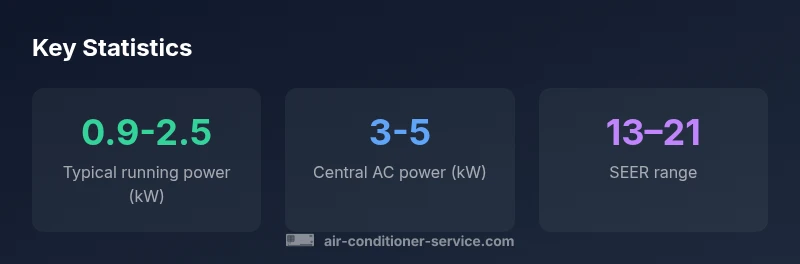
Does an air conditioner use a lot of electricity? Not inherently. According to Air Conditioner Service, energy use depends on unit size, climate, efficiency, and how you use it. Modern units with high SEER ratings cool efficiently, while older or oversized systems consume more energy per BTU. Typical running power ranges from roughly 0.9 to 5 kW depending on system and load.
Does an air conditioner use a lot of electricity? What drives energy use
According to Air Conditioner Service, the question does an air conditioner use a lot of electricity cannot be answered with a single number. Energy use is driven by several variables: the type of system (window/portable vs. central vs. ductless), the climate you live in, how well your home is insulated, how you operate the unit, and how recently the equipment was installed or upgraded. A modern, properly sized unit with a high SEER rating can deliver comfortable cooling with relatively modest energy use when compared with older equipment. Conversely, an oversized or aging air conditioner can short-cycle, run more often, and waste energy while chasing a thermostat that never seems to reach the target temperature. This nuance matters for homeowners and renters trying to manage monthly bills. By focusing on real performance metrics—not impressions—you can assess whether your current setup is efficient or if an upgrade and better usage habits would lower electricity consumption while maintaining comfort.
How power draw is measured and understood in AC systems
Electrical consumption for air conditioners is commonly discussed in watts, kilowatts (kW), and kilowatt-hours (kWh). A unit’s running power represents how much electricity it draws while cooling. Central systems typically operate in the 3–5 kW range when actively cooling, while smaller window or portable units tend to run lower, often near 1–2 kW. The efficiency rating, expressed as SEER (Seasonal Energy Efficiency Ratio), tells you how efficiently a unit converts electrical energy into cooling output over a typical cooling season. Higher SEER means more efficient cooling and lower energy use per BTU. Whenever you compare models, look beyond upfront price and check the SEER, EER, and the unit’s expected runtime in typical hot weather. Real-world performance also depends on thermostat strategy, maintenance, and duct efficiency.
Key factors that influence energy use in air conditioning
Energy use is not static; it fluctuates with conditions and decisions. Climate and outdoor temperatures have the biggest impact on running time, especially in regions with long heat waves. The size and layout of your home matter: a small space in a well-insulated home will require less cooling than a large open area with poor insulation. Thermostat settings drive energy waste or savings: keeping a home at 72–74°F (22–23°C) may be comfortable for most people, but each degree of setback can meaningfully affect consumption. Duct design and sealing, refrigerant charge, and component age also play roles. Regular maintenance—changing or cleaning filters, inspecting coils, and ensuring proper refrigerant charge—helps the system move air efficiently and reduces unnecessary energy use. For renters and homeowners, these factors matter when deciding between repairing an old unit or investing in higher-efficiency equipment that yields long-term savings.
Practical strategies to reduce electricity consumption without sacrificing comfort
Practical steps can lower energy use without making cooling uncomfortable. Start with the thermostat: set it a few degrees higher during the day or when you’re away, and use programmable or smart thermostats to automate changes. Improve air circulation with ceiling fans to reduce the need for the AC to operate at full power. Seal and insulate ducts to prevent energy loss from leaks, and ensure windows and doors are well-sealed to keep cool air in. Regularly replace or clean air filters so your system doesn’t have to work harder to push air through a restricted path. Consider shading windows that receive intense sun, using outdoor awnings, and maintaining a clean outdoor unit to maximize airflow. If your equipment is older or consistently underperforming, an energy-efficient replacement or a heat pump could offer substantial long-term savings and better performance under hot conditions. Air Conditioner Service highlights that combining equipment upgrades with smart usage practices yields the best energy reductions.
Estimating your home's cooling energy cost
A practical way to gauge electricity use is to estimate based on running power, daily operating hours, and local electricity rates. Start with the unit’s running power (in kW), multiply by the number of hours you cool each day, and multiply by the number of cooling days in a month or season. Then multiply by your electricity rate per kWh. Compare this to a baseline from previous months to identify trends. If you live in a hot climate and run your AC for the majority of the year, even modest improvements in SEER or thermostat management can lead to noticeable savings. Remember that real-world costs vary with climate, occupancy, and home efficiency. Air Conditioner Service recommends tracking usage and testing optimization strategies to quantify savings before and after upgrades.
When to consider upgrades or alternative cooling strategies
If energy bills remain high despite good maintenance and smart usage, it may be time to evaluate upgrades or alternatives. A higher-SEER central unit or a ductless mini-split with separate zones can deliver cooling more efficiently than an older single-stage system. In very hot climates, a heat pump can provide year-round heating and cooling with strong efficiency. Before purchasing, obtain a professional load calculation to ensure your home is properly sized for the new equipment. An energy audit or a simple home weatherization check (insulation, air leakage, and shading) often reveals low-cost fixes that reduce the burden on your AC and can make upgrades more cost-effective. The Air Conditioner Service team recommends pairing upgrades with ongoing maintenance for sustained efficiency gains.
Estimated running power and energy use by common AC setups
| Model Type | Typical Running Power (kW) | Typical Annual Energy Use (kWh) |
|---|---|---|
| Window/Portable (Single-Unit) | 0.9-2.5 | 500-1500 |
| Central AC (Residential) | 3-5 | 1200-3500 |
| Mini-split (Ductless) | 1.0-3.0 | 800-3000 |
Common Questions
Does an air conditioner use a lot of electricity?
It depends on size, climate, efficiency, and usage. Modern high-SEER units are efficient, while older or oversized systems can waste energy.
It depends on your unit and how you use it.
What is SEER and why does it matter for electricity use?
SEER measures cooling output per unit of electricity over a season. Higher SEER generally means lower energy use for the same cooling.
SEER tells you how efficiently a unit uses electricity.
How can I tell if my AC is using too much electricity?
Monitor monthly bills, track runtime with a smart thermostat, and look for symptoms like short cycling or coils icing up. These indicate inefficiency.
If your bill spikes, check runtime and maintenance.
Do window units consume more energy than central AC?
Window units can be less efficient per cooling unit, but efficiency depends on size, usage, and installation. Properly sized and maintained units perform better.
Often, window units cost more per BTU when mis-sized.
Can maintenance help reduce electricity usage?
Yes. Clean filters, clean coils, and proper refrigerant charge improve airflow and efficiency, lowering energy consumption.
Regular maintenance saves energy.
Are there smarter ways to cool a home energy-efficiently?
Yes—use programmable thermostats, fans, shading, and insulation. Pair these with properly sized equipment for best efficiency.
Smart strategies save energy.
“Efficient cooling is achieved by matching the right equipment to the home and using it wisely. Regular maintenance and smart usage maximize the value of every kilowatt.”
The Essentials
- Energy use varies by unit type and climate
- Higher SEER means lower energy per BTU
- Smart thermostat use can reduce consumption
- Regular maintenance sustains efficiency
- Estimate costs using local rates and runtime