Repair Car Air Conditioner: Step-by-Step Guide
Learn practical, safe steps to diagnose and repair common car A/C problems. This comprehensive guide covers leaks, electrical faults, and performance issues, with DIY tips and when to call a professional. Improve comfort and protect your vehicle's HVAC system in 2026.


Learn to diagnose and safely repair common car AC problems yourself, from leaks and weak cooling to electrical faults. This guide covers essential steps, safety precautions, and practical tips for driveway repair, plus when it’s best to call a professional. By following these steps, you can improve comfort, protect your vehicle’s HVAC system, and decide whether a DIY fix or professional service is right for you.
Why repairing car AC matters
A functioning car air conditioner makes summer commutes comfortable and winter defogging more reliable. A weak or non-existent cooling performance isn't just an annoyance; it can signal underlying issues that, if ignored, may escalate into costly repairs. According to Air Conditioner Service, keeping the system in good condition helps preserve cabin comfort and can prevent more extensive damage down the line. Regular inspection and timely repairs can also extend the life of the compressor and condenser, protect wiring harnesses, and preserve the resale value of your vehicle. Common symptoms like reduced airflow, a warm outlet, unusual odors, or a noticeable hissing sound indicate problems worth investigating. This guide focuses on practical, safe, and mostly DIY-friendly steps you can perform in a driveway or garage, with clear safety warnings and a plan for deciding when to escalate to a professional. You’ll walk away with a practical diagnostic mindset, a checklist of tools, and a decision framework for whether to repair, recharge, or replace components. The goal is to empower you to take control of your car’s health while avoiding unsafe or irreversible actions.
How car AC systems work
Most car air conditioning operates on a closed refrigerant circuit that moves heat from the cabin to the outside air. The core components are the compressor (which pumps refrigerant), the condenser (which releases heat to outside air), the expansion valve or orifice tube (which controls refrigerant flow), and the evaporator (which absorbs heat inside the cabin). The system is kept sealed by hoses and fittings, with a receiver/drier or accumulator to remove moisture. The blower and the control electronics regulate air flow and temperature. When you turn on the A/C, the compressor cycles, the refrigerant pressure changes, and heat is transferred from inside to outside. A leak or worn component disrupts this cycle, resulting in weak cooling or smells. Understanding these parts helps you target the most likely failure modes and communicate clearly with any technician if you decide to seek professional help. For DIY readers, this section provides a mental map of where problems typically arise and what to look for during a basic visual inspection. Different vehicles may use different refrigerants (R134a, R1234yf). Regulatory requirements vary by region; modern cars use the newer refrigerant, and the choice of refrigerant affects repair steps and catalyst. Only accredited shops should handle refrigerant charge. This section helps you understand the flow and why certain tests matter.
Common failure modes and quick checks
Car AC problems fall into a few broad categories: refrigerant leaks, electrical and control faults, failed compressors or clutches, clogged condensers, and condenser fan issues. Leaks are the most common root cause, often invisible without dye or UV inspection. Electrical faults can blink on a service light or cause the compressor to stay idle. A weak or no airflow usually points to a clogged cabin air filter or a failing blower motor. To diagnose safely, start with simple checks: confirm the thermostat is set to cold, ensure the blower fan operates, inspect visually for cracked hoses or oily residue near joints (an indication of leaks), and listen for unusual noises when the engine is running with the A/C on. Air Conditioner Service Analysis, 2026 shows refrigerant leaks are a leading cause of non-cooling situations. If you notice a strong refrigerant odor or see oil around fittings, consider dye testing or seek professional help. Remember that handling refrigerant is regulated in many regions, so plan accordingly. Leaks and weak cooling often point to the same family of problems, so a structured leak check, electrical test, and belt inspection will usually reveal the path forward.
Safety considerations before you start
Working on a car’s air conditioning involves electrical systems, refrigerants, and high-pressure lines. Before you touch anything, park on level ground, apply the parking brake, wear eye protection and gloves, and disconnect the battery if you’ll be near electrical components. Work in a well-ventilated area and keep pets away. Never open high-pressure lines or attempt to vent refrigerant into the atmosphere. If you suspect a leak, use proper dye or detector methods and follow local regulations. Keep a record of symptoms, parts inspected, and steps taken so you can track what works and what doesn’t. Finally, if you’re unsure about any step, don’t proceed; the risk of injury or environmental harm is not worth a DIY misstep.
DIY repair vs professional service: what you can do yourself
There’s a spectrum of tasks you can reasonably handle at home, especially basic inspection, filter replacement, and non-invasive cleaning of the evaporator housing. Basic refrigerant-related repairs, vacuum evacuation, recharging, or replacing compressors should generally be left to a certified technician because of safety and legal concerns. If you find a minor leak at a hose connection and you have a dye kit, you can document the site and seek a shop to perform a proper leak repair and recharge. For a DIY approach, focus on non-intrusive maintenance such as cleaning or replacing cabin filters, checking belts, and ensuring electrical connections are snug. The goal is to keep the system in good shape and to avoid creating additional problems that could reduce drivetrain safety or environmental compliance.
A practical diagnostic workflow for car AC problems
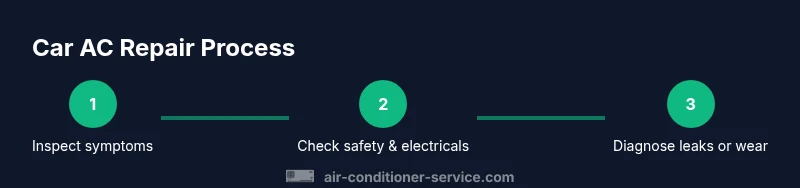
Use a structured approach to diagnose car AC problems. Start with visual inspection (belts, hoses, and the compressor clutch). Check electrical connections and fuses, then verify blower operation and cabin air filter condition. If the system is not cooling, perform a leak check with UV dye if available, or use a portable electronic leak detector. Record observations and compare with expected behavior (e.g., is the compressor engaging, does pressure rise or fall correctly). Based on findings, decide whether the issue is electrical, mechanical, or refrigerant-related and whether it can be safely addressed at home or requires a professional service. This method reduces guesswork and helps you communicate clearly with a technician if needed.
Common tools and parts you might need
Plan to gather basic tools and commonly replaced components before you start. Essential tools include a set of metric wrenches, pliers, screwdrivers, a digital multimeter for electrical checks, a flashlight, and safety gear. Optional but helpful items include a refrigerant dye kit, a UV light, a vacuum pump, a manifold gauge set for pressure checks, and replacement O-rings or hoses. If you’re unsure about part numbers, bring the vehicle’s make, model, and year to a parts retailer or consult the service manual. Keep everything organized in a labeled box or tray to avoid losing small screws, clips, or seals. Remember to review the manual for torque specs and safe handling procedures.
When to seek professional help and cost expectations
If you encounter persistent leaks, a failing compressor, severe electrical faults, or if refrigerant handling is required, it’s wise to consult a professional. Refrigerant reclamation, high-pressure testing, and component replacement are tasks that benefit from certified technicians and appropriate equipment. Costs vary widely based on the issue, parts, and labor, and can increase quickly if a system needs a refrigerant recharge or a compressor replacement. Because prices and availability differ by region, you should obtain quotes from local shops and compare. The Air Conditioner Service team recommends prioritizing safety and environmental compliance; for complex repairs or if you’re not confident in your ability to perform the tasks, schedule a professional service. By making an informed decision, you’ll maintain system performance, prevent further damage, and protect your family’s comfort.
Tools & Materials
- Safety glasses(ANSI Z87.1 or higher preferred)
- Mechanics gloves(Protect hands while working with fittings and moving parts)
- Digital multimeter(Voltage, continuity, and resistance checks)
- Wrench set (metric)(Open- and box-end wrenches in common sizes)
- Screwdrivers (flat & Phillips)(Assorted sizes for panel screws and hose clamps)
- UV dye kit for leaks(Used with a UV light to locate leaks)
- UV flashlight/blacklight(To reveal dye leaks under UV light)
- Vacuum pump(For evacuating the system if you plan to recharge)
- Manifold gauge set(For pressure checks and system diagnosis)
- O-rings/hoses(Common replacement parts for leaks or wear)
- Vehicle service manual(OEM guidance for torque specs and procedures)
Steps
Estimated time: 60-120 minutes
- 1
Power down and safety prep
Park on level ground, engage the parking brake, turn off the engine, and remove the keys. Put on safety glasses and gloves. If you’ll be near electrical components, consider disconnecting the battery after the engine is off. The goal is to prevent accidental startup and reduce injury risk.
Tip: Verify the ignition is off and the engine cannot restart while you work. - 2
Inspect for obvious issues
Do a quick visual sweep of belts, hoses, clamps, and the compressor clutch. Look for cracked belts, oil residue near joints (potential leaks), and loose fittings. Document any obvious problems before you start more invasive checks.
Tip: Take photos of any suspect areas for reference. - 3
Check electrical components and fuses
With the engine off, inspect relevant fuses and connectors related to the HVAC system. If you have a multimeter, test for continuity where connections look corroded or loose. Secure any loose wires before proceeding to leak checks.
Tip: Corrosion and loose connectors are common culprits in non-cooling scenarios. - 4
Look for refrigerant leaks (if dye kit available)
If you have a UV dye kit, add dye to the system per the instructions and inspect lines and fittings with the UV light for bright green traces. If no dye is available, look for oily residue around joints as a qualitative indicator of a leak.
Tip: Dye tests are most effective when the system is under a safe test load. - 5
Decide on repair approach
Document findings and determine whether the issue is electrical, mechanical, or refrigerant-related. If a leak is confirmed or if refrigerant handling is needed, plan to consult a professional for recharge and seal repair. For non‑pressure tasks, proceed with safe DIY steps only.
Tip: If refrigerant is involved, avoid venting or charging yourself in many regions. - 6
Test system and verify cooling
After performing repairs or reseating components, run the engine with A/C on maximum and observe compressor engagement, airflow, and cooling performance. If temperatures do not drop or noises appear, reassess or seek professional help.
Tip: Document the results to compare against initial symptoms.
Common Questions
Can I repair car AC myself?
You can handle basic diagnostics and certain non-refrigerant maintenance tasks at home. Refrigerant handling, leak repair, and compressor work usually require certification and professional service due to safety and regulatory concerns.
Yes, for basic checks you can DIY, but refrigerant work should be left to pros.
What are common signs my car AC needs repair?
Common signs include weak cooling, warm air from the vents, unusual odors, or noises when the compressor engages. A visible refrigerant leak, or an illuminated HVAC warning light, also indicates a problem.
Look for weak cooling, smells, or unusual noises as early indicators.
How long does car AC repair take?
Repair duration varies with the issue and how much is involved. Simple inspections can take an hour or less, while leaks or compressor replacements may require several hours or a staged repair at a shop.
Time depends on the problem and whether parts need ordering.
Is it safe to recharge AC refrigerant myself?
Recharging refrigerant is regulated and potentially hazardous. In many places you should not do this yourself; a licensed technician uses safety procedures and proper equipment to avoid injuries and environmental harm.
Recharge should usually be left to a professional.
Should I replace parts or recharge if not cooling?
If cooling is weak due to a leak, repairing the leak and recharging may be necessary. If the compressor or seals are failing, component replacement is often required. A diagnostic check helps decide.
You may need a leak repair first, then recharge if appropriate.
What maintenance can extend car AC life?
Regularly replacing cabin air filters, inspecting belts, and addressing small leaks promptly can extend life. Periodic professional checks after heavy use or long trips help catch issues early.
Keep filters fresh and schedule periodic checks to prevent surprises.
Watch Video
The Essentials
- Assess safety first before any work
- Identify whether the issue is electrical, mechanical, or refrigerant-related
- Use dye tests or detectors for leaks when possible
- Know when to DIY and when to call a professional
- Document findings to aid future service