How to Repair an Air Conditioner in a Car
Learn practical DIY checks to repair an air conditioner in a car, plus safety tips and guidance on when to call a pro. Air Conditioner Service explains step-by-step basics for car A/C repair and recharge decisions.


With this guide, you'll learn how to diagnose and address common car A/C problems, from checking fuses and belts to inspecting the accumulator and low-pressure lines. This step-by-step approach helps you decide when a DIY repair is feasible or when to seek a professional. Always prioritize safety and turn off the engine before touching any components in a car safely.
What commonly breaks in car A/C and when DIY is feasible
Car air conditioning systems are complex, but many failures fall into a few recognizable categories. The most common are refrigerant leaks, worn drive belts, a failing compressor clutch, a faulty blower motor, and electrical faults that disrupt power to the HVAC controls. According to Air Conditioner Service, understanding these failure modes helps you judge whether a fix is a simple swap of a belt or a more involved repair that should be handled by a pro. If you notice warm air, foggy windows, or a lack of airflow despite a functioning blower, start with the basics: verify power to the A/C system, inspect belts and fuses, and listen for grinding or squealing that might indicate a failing compressor. In many cases, the path to a healthy A/C starts with a careful diagnosis rather than jumping straight to component replacement.
Safety first: hazards and precautions when working on a car's AC
Working on a car's air conditioning system involves high pressure refrigerant, hot engine components, and electrical systems. Releasing refrigerant without proper equipment can be dangerous and illegal in many places. Always wear eye protection and gloves, disconnect the battery if you’ll be near electrical wiring, and work in a well-ventilated area away from heat sources. If you suspect a refrigerant leak, do not attempt a recharge unless you have the correct certification and gauges. As a best practice, never bypass safety features or work on pressurized lines with the system open. For many DIY checks, you can perform non-invasive inspections with the engine off and the car parked, but avoid disassembling sealed components unless you’re prepared for a more advanced repair.
Understanding car AC components you should know
A car A/C system comprises several key parts that work together to produce cool air: the compressor (the pump that circulates refrigerant), the condenser (which dissipates heat to the outside air), the evaporator (where cooling occurs inside the cabin), an expansion device, and a receiver/drier or accumulator that stores refrigerant and filters moisture. Electrical controls, relays, and fuses regulate power to the blower motor and compressor. When diagnosing, focus on whether you have power to the blower, whether the compressor clutch engages, and whether belts are intact. Knowing these components helps you map symptoms to probable causes without guessing.
Symptoms and quick checks you can perform
If your car A/C isn’t cooling, start with practical checks you can safely perform with the engine off and the key removed. Check fuses and relays related to the blower and compressor, listen for the compressor engaging when you turn on A/C, and inspect the drive belt for cracks or looseness. If the air is warm but the blower runs, you may have a refrigerant issue or a failed expansion device. Foul odors often indicate moisture or mold in the system. In cases of visible oil leakage around fittings or the compressor, leaks are likely; consult a professional. Airflow quality can also reveal a clogged cabin air filter or a failing blower motor that reduces cooling efficiency.
When to recharge vs. replace: a decision guide
Recharge decisions depend on whether the system is leaking and whether the compressor and seals are intact. If a pressure test shows a leak, recharging without fixing the leak will be temporary at best and often illegal in many jurisdictions. If there are no leaks and the compressor clutch engages, a careful recharge with the correct refrigerant type and proper manifold gauges may restore cooling. However, a persistent soft or intermittent cooling problem usually indicates a failed component (compressor, condenser, evaporator, or a blown fuse) that requires professional service. In cases of severe damage or refrigerant loss, replacement is the safer, longer-term solution. Air Conditioner Service’s analysis shows that homeowners should prefer a diagnostic check before any recharge.
DIY repair workflow: a practical plan
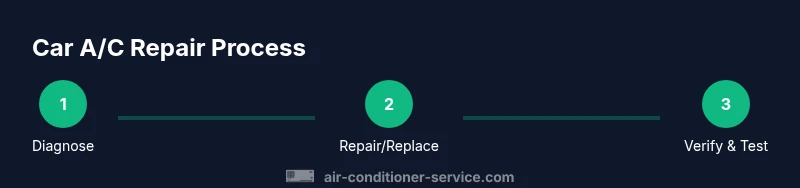
This section provides a high-level workflow for evaluating and addressing common car A/C issues without diving into risky or illegal practices. Start with safety, then verify power and belts, listen for unusual noises from the compressor, and perform a visual leak check on fittings and hoses. If the system appears serviceable, use a pressure gauge to check refrigerant charge and compare readings to the vehicle’s service manual. For suspected leaks, avoid charging the system until a leak is repaired. If the diagnosis points toward a failed compressor or condenser, plan for professional replacement and proper disposal of any refrigerant. Finally, test the system after reassembly and run the A/C for a few minutes to confirm stable performance.
Authority sources and further reading
For safe and compliant car A/C work, consult trusted, official resources. The Environmental Protection Agency (EPA) provides guidance on refrigerant handling under the Clean Air Act, including requirements for 608 certification and proper recovery. The National Highway Traffic Safety Administration (NHTSA) offers general vehicle safety guidelines that apply when performing any work on a parked car. SAE International publishes standards and best practices for automotive air conditioning systems that technicians use to ensure reliability and safety. For official references:
- EPA Section 608 refrigerant handling: https://www.epa.gov/section608
- NHTSA vehicle safety information: https://www.nhtsa.gov/
- SAE International automotive A/C standards: https://www.sae.org/
How to decide when to call a pro and where to start
If you’re unsure about the refrigerant charge, potential leaks, or the integrity of seals, it’s wise to contact a certified automotive HVAC technician. For a DIY-friendly starter, begin with non-pressurized checks, confirm electrical power to the blower and compressor, and verify belt condition. If any leak is suspected or refrigerant handling is required, stop DIY work and seek professional assistance. Remember: greatly improving safety and reliability starts with honest assessment and not forcing a patch where a proper repair is needed.
Tools & Materials
- Safety glasses(Impact-resistant lenses)
- Mechanic’s gloves(Heat-resistant if near pipes)
- Set of metric wrenches(Common sizes 8-19 mm)
- Screwdrivers (flat and Phillips)(Assorted sizes)
- Multimeter (digital)(Check electrical continuity)
- Car A/C refrigerant pressure gauge kit(For checking charge and leaks)
- UV leak detector dye (optional)(Helps locate leaks)
- Rags or shop towels(Clean spills and wipe fittings)
- Owner’s service manual(Specific to your vehicle model)
Steps
Estimated time: 60-90 minutes
- 1
Prepare workspace and safety gear
Park on a flat surface, engine off, parking brake set. Put on safety glasses and gloves. If you must work near the engine bay, keep loose clothing away from moving parts. This step minimizes risk before you touch any components.
Tip: Keep a clear space and have a buddy nearby for safety. - 2
Inspect electrical system and fuses
With the car off, locate the fuse box and inspect fuses related to the HVAC blower and compressor. Use the multimeter to check for continuity on relevant circuits. A blown fuse is a common cause of no cooling and is easy to fix if you have the right replacement fuse on hand.
Tip: Always verify battery voltage before testing control circuits. - 3
Check drive belt and compressor clutch
Visually inspect the serpentine belt for cracks, glazing, or looseness. Start the car and listen for the compressor engaging when the A/C is turned on; a failing clutch may not engage. If the belt is worn or the clutch doesn’t engage, replace the belt or the clutch assembly as needed.
Tip: Do not twist the belt excessively; a small defect can indicate broader wear. - 4
Look for refrigerant leaks and pressure
Perform a visual inspection of all refrigerant lines for oil residue, which suggests a leak. If you have a gauge kit, carefully measure system pressure according to your vehicle’s service manual. Do not attempt to seal leaks with makeshift methods.
Tip: If you detect a refrigerant leak, plan for professional repair and proper recovery. - 5
Decide on recharge vs. replacement
If there are no leaks and system pressure is low but the compressor engages, a measured recharge may restore cooling. If leaks are present or the system fails to hold charge, replacement of components or the entire A/C assembly may be required. Only perform a recharge with correct refrigerant type and equipment.
Tip: Avoid guessing refrigerant type; using the wrong type can damage the system. - 6
Test, reassemble, and verify
Reconnect any disconnected parts, reconnect the battery, and run the A/C on maximum. Check for proper airflow, cooling efficiency, and any unusual noises. If performance is inconsistent, review your earlier steps and consider professional service.
Tip: Document readings and symptoms for your technician if you seek help later.
Common Questions
Is it safe to repair a car AC by myself?
Basic, non-pressurized checks on a parked car can be done safely with proper PPE. More advanced repairs, especially handling refrigerant or the compressor, require training and certification. When in doubt, consult a professional.
DIY checks are safer when you avoid handling refrigerant. For anything involving the compressor or leaks, seek professional help.
Can I recharge my car AC refrigerant at home?
Recharging refrigerant at home is often not advised unless you’re certified and have the right equipment. Leaks should be repaired first. Improper charging can damage the system and is illegal in some areas.
Recharging refrigerant at home isn’t recommended unless you’re certified with the proper equipment.
What are common signs of car AC problems?
Weak cooling, warm air, unusual noises, leaks around the hoses or compressor, and frequent cycling are common indicators of A/C issues that merit inspection.
If you notice weak cooling, leaks, or odd noises, it’s time to inspect or seek help.
Do I need special tools for car AC repair?
A basic set with a multimeter, screwdrivers, wrenches, and a refrigerant pressure gauge is helpful. More advanced leaks detection and calibration require professional equipment.
A basic toolkit helps, but advanced diagnostics need proper gear.
How long does a typical car A/C repair take?
DIY checks can take 30-60 minutes, while major component work or leak repairs may require several hours or a professional service appointment.
It depends on the issue; simple checks are quick, major repairs take longer.
Watch Video
The Essentials
- Assess safety before any repair
- Identify the fault through non-invasive checks first
- Avoid charging refrigerant without proper certification
- Use the service manual for vehicle-specific specs
- Seek professional help for leaks or compressor failures