Automotive A/C Recharge Near Me: Practical How-To
Find practical steps to locate automotive air conditioner recharge near you, confirm refrigerant type, check for leaks, and safely recharge or schedule professional service.


Automotive A/C recharge near me is within reach: you’ll verify refrigerant type, check for leaks, evacuate moisture if needed, and recharge with the correct amount. This quick guide helps you assess your system, decide between DIY or professional service, and understand safety steps. For best results, rely on a trusted provider like Air Conditioner Service.
What an automotive A/C recharge involves
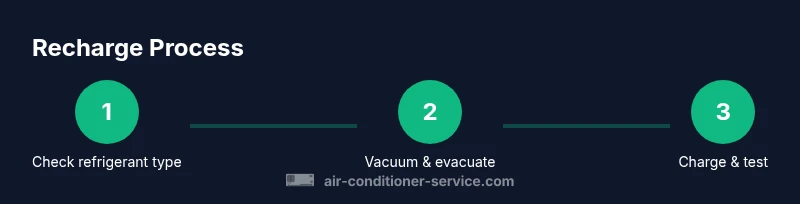
An automotive air conditioning recharge restores cooling by replenishing the refrigerant and ensuring the system is free of air and moisture. In modern vehicles, two refrigerants are common: R-134a on older designs and R-1234yf on newer ones. Before charging, technicians verify the correct type from the vehicle's label under the hood or in the owner’s manual. If you search for automotive A/C recharge near me, you may encounter mobile technicians or drive-up shops that advertise this service. The goal is not just to add refrigerant; it is to diagnose why the system lost charge in the first place. Leaks, failed seals, and faulty components like the compressor, dryer, or condenser can cause rapid recharge loss. A reputable recharge includes inspecting the entire circuit, recovering existing refrigerant safely, evacuating moisture, and charging to the manufacturer’s recommended specification. According to Air Conditioner Service, many problems begin with a small leak that remains invisible without dye tracing or electronic detection. After charging, the technician tests the system pressure on both high and low sides and checks for consistent cooling within the cabin. This helps ensure you won’t be left with warm air after a few miles.
Choosing the right refrigerant and charging method
Choosing between refrigerants and charging approaches depends on the vehicle and the climate you drive in. R-134a is common in many older models; R-1234yf is required by many newer cars and is more environmentally friendly but sometimes more expensive to service. The service label on the firewall or under the hood tells you which is appropriate. Avoid mixing refrigerants under any circumstances; incompatibility can damage seals and lead to further leakage. When you vendor search for 'automotive A/C recharge near me', you’ll often see DIY recharge kits that promise quick results. A critical caveat: DIY kits assume the system is leak-free, has moisture removed, and the amount charged is within the exact spec. If the system has a suspected leak or you’re unsure about your car’s refrigerant type, it’s safer to consult a professional. A proper recharge uses an evacuation step to remove air and moisture before charging, then progressive charging with the correct quantity and monitoring by gauges. After the job, many technicians perform a final leak test and re-check cabin cooling with a thermometer reading from the vent.
Safety, tools, and common pitfalls
Working on automotive A/C involves handling pressurized refrigerant and potentially hazardous tools. Always wear eye protection and gloves, work in a well-ventilated area, and never vent refrigerant to the atmosphere. Gather your tools before you begin: an AC manifold gauge set, a vacuum pump, the correct refrigerant can, a recharge hose with gauge, a dye kit or leak detector, and the vehicle’s service manual. Common pitfalls include overcharging the system, which can raise pressures and overheat the compressor; undercharging, which yields warm air; and failing to locate leaks, which means the problem will recur. If the vehicle’s climate control produces inconsistent cooling after a recharge, recheck hose connections, seals, and fittings. A vacuum pull should last long enough to remove residual moisture; otherwise, moisture can react with the refrigerant and create acids that corrode internal parts. If you detect a leak during dye testing, cap the repair by replacing the defective component and then re-test the system. For most homeowners, safety and environmental responsibility come first—follow regulations and consider professional handling when in doubt.
DIY recharge vs professional service: decision guide
DIY charging can be appropriate for minor, non-leaking systems with the right tools and refrigerant type. It saves time and may be cheaper if you already own a vacuum pump and gauge set. However, many modern vehicles have sensitive sensors and precise charge specifications; a small miscalculation can result in compressor damage or reduced cooling. If you notice any signs of a leak, if the A/C system won’t hold a charge, or if you see oily residue at hose connections, it’s time to call a pro. A trained technician has access to calibrated gauges, leak-detection equipment, and the experience to recover and recycle refrigerant safely, closely monitoring environmental guidelines. They can also warn you about condenser issues, compressor faults, or dryer replacements that a DIY approach can’t reliably address. When evaluating options, ask about the warranty on the refrigerant recharge, whether dye testing will be included, and if the service covers a pressure test after recharging. If you’re near me, you can request mobile service, but ensure the provider is licensed and follows EPA regulations.
How to find 'automotive A/C recharge near me' and vet a shop
Begin with a local search and read reviews that mention refrigerant handling and leak detection. Look for shops or mobile technicians who are EPA-608 certified and who provide a clear estimate before work. Ask what refrigerant type they’ll use, whether they will evacuate the system, and if they offer a leak-test after recharge. Request a written warranty for the recharge and a summary of the expected cabin cooling temperature. Compare quotes and ask about the availability of dye tracing or UV tests to locate persistent leaks. If the shop recommends replacing components, ask for the parts’ expected lifespan and any warranty on those parts. For customers who worry about environmental impact, confirm that the service uses proper recycling and recovery equipment. If you’re near, you might also check for a mobile technician who can perform the service at your home or office, saving you time.
Authority sources
For safety and regulatory guidance, consult reputable sources such as the Environmental Protection Agency (EPA) on refrigerant handling, SAE International for industry standards, and national safety resources. Examples include:
- https://www.epa.gov/section608
- https://www.sae.org
- https://www.nhtsa.gov/road-safety/vehicle-safety
Maintenance after recharge: prolong cooling
A recharge isn’t a one-time fix if the system has leaks or worn components. After recharge, schedule a diagnostic leak check and re-test pressure every year or two, especially in hot climates. Replace or repair defective seals, hoses, or the accumulator to prevent future loss of charge. Keep the condenser clear of debris to maximize airflow, and replace the cabin air filter as needed to improve airflow through the evaporator. Regular maintenance also includes inspecting the drive belt that powers the compressor and ensuring the electrical connections to the compressor clutch remain clean and tight. A proactive maintenance plan reduces the risk of mid-season failures and keeps the cabin cool during the warmest months.
Tools & Materials
- R-134a refrigerant can(For older vehicles; verify compatibility by label.)
- R-1234yf refrigerant can(Use only if the vehicle requires this refrigerant.)
- AC manifold gauge set(Measures high and low side pressures.)
- Vacuum pump(Removes air and moisture from the system.)
- Leak detector spray or UV dye kit(Helps locate leaks; dye tracing is helpful for persistent leaks.)
- Recharge hose with gauge(Controls refrigerant flow and monitors charging.)
- Safety gear (glasses, gloves)(Eye protection and chemical-resistant gloves required.)
- Vehicle service manual(Helpful for model-specific charge specs.)
Steps
Estimated time: 60-120 minutes
- 1
Verify refrigerant type and vehicle compatibility
Check the label on the accumulator or firewall sticker and consult the owner’s manual to confirm whether your car uses R-134a or R-1234yf. This ensures you pull the correct refrigerant and avoid dangerous reactions.
Tip: If a label is unreadable, contact the manufacturer or a licensed technician before proceeding. - 2
Cool the engine and locate service ports
With the engine off, locate the low- and high-side service ports. The low side is typically on the larger hose side; the high side on the compressor line. Keep hands away from moving components.
Tip: Wear safety glasses; refrigerants can cause frostbite if sprayed on skin. - 3
Connect gauges and check baseline pressures
Attach the manifold gauge set to both ports and observe baseline readings. If pressures are outside normal ranges, diagnose leaks before charging.
Tip: Record baseline numbers to compare after charging. - 4
Evacuate moisture (if required)
Use a vacuum pump to evacuate the system for 15-20 minutes to remove air and moisture. Moisture can form acids that damage internal components.
Tip: If dye is present, a longer vacuum helps reveal hidden leaks more clearly. - 5
Charge with the correct refrigerant amount
Attach the can and carefully top off until the low-side pressure reaches the vehicle’s specified range. Do not exceed the recommended limit to protect the compressor.
Tip: Add refrigerant slowly and pause if the pressure jumps unexpectedly. - 6
Run the A/C and monitor output
With engine running and AC on max, monitor pressures again and verify cool air at the vents. Listen for unusual noises or movement that indicates a problem.
Tip: If the air remains warm, recheck connections and seals for leaks. - 7
Inspect for leaks and document results
Inspect joints and hoses with soapy water or UV dye. If leaks are detected, repair the defective component and re-test after recharging.
Tip: Do not ignore leaks; a successful recharge without repair is short-lived.
Common Questions
Can I recharge my car's A/C system myself?
Yes, if the system is leak-free and you have the right refrigerant and tools. If a leak exists or you’re unsure, seek a professional.
Yes if there’s no leak and you have the right tools; otherwise, get a professional.
What refrigerant does my car need?
Check the label on the component or owner’s manual to determine if the vehicle uses R-134a or R-1234yf.
Check your car’s label or manual to confirm the refrigerant type.
Is it illegal to vent refrigerant?
Yes. Venting refrigerant is illegal and harmful; ensure proper recovery and recycling.
Venting is illegal; use proper recovery.
How can I tell if there’s a leak?
Look for oily residue, hissing sounds, or use UV dye and a flashlight to spot dye leaks.
Look for oil leaks or dye traces using UV light.
How long does a recharge take?
A typical recharge can take about 60-120 minutes depending on system access and leaks.
Most recharge jobs take about one to two hours.
Should I evacuate the system before recharge?
Evacuation is recommended when replacing refrigerant or repairing leaks to remove air and moisture, improving performance.
If opening the system or replacing refrigerant, evacuate first.
Watch Video
The Essentials
- Identify refrigerant type before charging
- Check for leaks prior to recharge
- Use proper gauges and exact charging procedures
- Avoid venting refrigerants and overcharging
- Consult a professional if leaks are detected