How to Tell if Your Car A/C Needs Recharging
Learn the signs that your car air conditioning may need a recharge, safe at-home checks, and when to call a professional for a proper refrigerant recharge and leak repair.


Wondering how to know if my car air conditioner needs recharging? Common signs include weak cooling, warm air, and longer cooling times. Check for leaks or oily residue near service ports and listen for hissing. If these symptoms persist, schedule a professional recharge to protect your compressor.
Understanding why car A/C may need a recharge
In most cars, the air conditioning system is a closed, sealed circuit. A recharge is only necessary when the refrigerant level has fallen, typically due to a slow leak or after extensive use in extreme heat. If you're wondering how to know if my car air conditioner needs recharging, start with the basics: refrigerant circulates at high pressure, absorbs heat, and then releases it through the condenser. When levels drop, cooling performance suffers and you may notice longer cooling cycles or air that isn’t as cold as it used to be. According to Air Conditioner Service, a gradual loss of refrigerant can be hidden from casual observation, which is why a careful diagnostic is essential. Modern vehicles also rely on electronic sensors and onboard diagnostics that can flag refrigerant-related issues. Understanding these factors helps you distinguish a refrigerant problem from other common causes of weak cooling, such as a dirty cabin air filter or a blocked condenser.
If your car’s A/C isn’t cooling adequately, you’re not alone. The goal of this guide is to give you practical steps to determine whether a recharge is likely needed, and to outline safe options for resolution. Air Conditioner Service Team emphasizes prudent checks and professional guidance to protect your vehicle’s cooling system and avoid unnecessary repairs.
Common signs of low refrigerant
Low refrigerant manifests through several telltale symptoms. The most obvious is reduced cooling capacity: vents blow warm or only mildly cold air even on high settings. You may hear a longer cycle of the compressor or notice that the A/C struggles during peak heat. Some vehicles show a noticeable drop in overall system pressure readings, while others rely on onboard dashboards that display low-pressure warnings or codes related to refrigerant pressure. Leaks are not always visible, but an oily residue around service ports, hoses, or the condenser front is a strong sign. If you notice frost on the A/C lines or evaporator housing when the system is on, that could indicate an overpressure condition or a leak, not just a recharge. It's important to remember that signs overlap with other issues such as a failing compressor, a blocked receiver/drier, or a dirty cabin filter. A structured check helps you avoid unnecessary recharge attempts.
Air Conditioner Service’s analysis shows that symptom overlap is common, so validating refrigerant issues with professional equipment is often necessary. Start by ruling out non-refrigerant causes of poor cooling, such as airflow restrictions or filter problems, before attributing symptoms to a recharge need.
Safety first: what is safe to check at home
Before you touch any A/C components, review safety basics. Refrigerant systems operate under high pressure and can cause injury if mishandled. Do not attempt to vent refrigerant or open sealed components. If you suspect a refrigerant leak, evacuate the area and contact a licensed technician. Use protective gloves and eye protection when inspecting exposed lines. Keep pets away from the engine bay and work in a well-ventilated area. If your vehicle’s service manual allows non-invasive checks, perform them with care: visually inspect for damaged hoses, pinch clamps, or oil staining; ensure the condenser front (the grille area) is free of debris; verify that cooling fans activate when the AC is switched on. For most homeowners, this stage is about ruling out non-refrigerant causes of warm air, not about charging the system. The Air Conditioner Service team stresses safety as the top priority in any troubleshooting.
Quick at-home checks you can perform (non-invasive)
Perform these checks to determine if a recharge might be needed without handling refrigerant. First, monitor the internal air temperature: a strong delta T (difference between intake and output air) indicates solid cooling; a small delta suggests a potential issue. Next, inspect for a blocked condenser—clear leaves, dirt, and debris from the front grille to maintain airflow. Look for abnormal sounds or vibration when the compressor runs; these can signal wear rather than a simple recharge need. Check the cabin air filter for dirt; a clogged filter reduces perceived cooling even if the system is charged correctly. Finally, observe whether the climate control module reports any fault codes related to the A/C pressure sensor. While these checks can inform you, they do not replace a professional leak test and precise refrigerant charging.
Why a professional recharge is often required
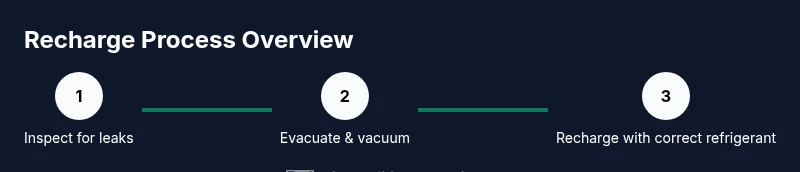
Recharging a car’s A/C is not as simple as adding refrigerant from a can. The correct refrigerant type, the exact quantity, and the system’s exposure to a pressurization process are critical for long-term reliability. A professional will perform a leak test using approved detectors, evacuate the system, pull a vacuum to remove moisture, and then recharge with the proper refrigerant and lubricant. An on-board diagnostic scan may also be used to verify that sensors and compressor controls operate correctly. Attempting a recharge without preventing leaks can mask the true problem and may damage the compressor. Air Conditioner Service notes that improper charging can create pressure imbalances that lead to costly failures; it’s usually best to involve a trained technician, especially if the vehicle is under warranty or uses newer refrigerants.
How professionals determine if a recharge is needed
Technicians assess several factors to decide whether a recharge is required. They measure high-side and low-side pressures with a certified gauge set while the system is operating; readings outside manufacturer specifications indicate recharge needs. They also inspect for leaks with electronic detectors or dye tests, and they verify that the condenser and evaporator are clean. If a leak is found, the tech will locate and repair it before any recharge; otherwise, refilling without sealing a leak will result in rapid loss of refrigerant again. Some vehicles use newer refrigerants with specific refrigerant properties and pressures, so technicians rely on manufacturer charts. After a recharge, they re-check performance across several modes (cooling, defrost, and recirculation) to confirm proper operation.
Choosing the right service options
You have several routes for a recharge: dealer service, independent shops, or mobile A/C technicians. Each option offers different convenience, warranty terms, and scheduling flexibility. Ask for a written estimate that details refrigerant type, quantity, and any leak-detection results. Verify that the shop follows environmental guidelines and uses approved refrigerants, as well as leak-testing procedures. For some vehicles, factory warranties require dealer service to maintain coverage; for others, independent shops provide equal quality at a lower cost. Consider scheduling a full A/C system inspection annually to catch leaks or weak compressors early, reducing the frequency of recharges and extending component life.
What to expect during a recharge service
A professional recharge includes several steps, from intake to test drive. Expect an initial performance assessment, a pressure test, and a leak check; the system is then evacuated, a vacuum is pulled to remove moisture, and the specified refrigerant is charged to the exact weight. The tech will top off lubricants and dye if needed and perform a functional test that includes cooling and defrost modes. They often run a final leak test and monitor pressures for several minutes after charging. If a leak is found, the service will pause to repair it and re-test. A high-quality recharge also includes a post-service report and diagnostic checks to ensure optimal efficiency and avoid future damage to the compressor or condenser.
Preventing future recharges: maintenance tips
To minimize future recharges, combine routine checks with smart maintenance. Replace the cabin air filter at recommended intervals to maintain airflow; keep the condenser clear of leaves and debris; park in shade when possible to reduce cabin heat load on the system; run the A/C periodically even in off-peak seasons to keep seals flexible and lubricants circulated; check for small leaks during annual inspections and ask your tech to dye-test to catch slow leaks. Regular engine cooling system maintenance and ensuring proper belt tension helps the A/C compressor run smoothly. Document service visits and refrigerant recharge events to track the system’s health over time. Weather and driving patterns influence the recharge frequency, so tailor maintenance to your climate and vehicle use.
Tools & Materials
- Owner’s manual(Model-specific refrigerant type & service ports location)
- Safety gloves(Chemical resistant; protection for hands)
- Non-contact thermometer(To estimate vent temperature differences)
- Flashlight(Better visibility in engine bay)
- Notebook and pen(Document symptoms and dates)
- Leak-detection spray (optional)(Used only if you have training)
Steps
Estimated time: 60-90 minutes
- 1
Record initial symptoms
Note the exact cooling performance, any warmth at the vents, and how long the A/C has struggled. This baseline helps distinguish gradual decline from a sudden failure. If you observe persistent warm air or a drop in cooling efficiency, proceed to the next checks.
Tip: Write down dates and times when symptoms are most noticeable to track progression. - 2
Check airflow and filter health
Ensure the cabin air filter is clean and that interior vents deliver a strong flow. A clogged filter reduces perceived cooling even if refrigerant is adequate. If airflow is weak, replace the filter before considering a recharge.
Tip: A clean filter can dramatically improve cooling perception in older vehicles. - 3
Inspect the condenser area for debris
With the engine off, visually inspect the condenser front (the grille area) for leaves, dirt, or damage. Debris blocks airflow and reduces cooling efficiency, which can mimic a recharge need. Clear debris carefully without touching engine components.
Tip: Use a soft brush or compressed air from a distance to avoid bending fins. - 4
Listen for unusual compressor sounds
Turn on the A/C and listen for grinding, squealing, or grinding noises that aren’t normal. Abnormal sounds can indicate clutch or compressor wear, not a simple recharge. If you hear odd noises, stop and seek professional diagnosis.
Tip: Note the noise pattern (when it starts, how long it lasts) to share with a tech. - 5
Look for visible leaks around service ports
Check for oily residue along hoses and around the service ports. While not all leaks are visible, visible oil is a strong indicator of refrigerant escaping. Do not attempt to seal or vent leaks yourself.
Tip: If you’re unsure, photograph the area for reference during a service visit. - 6
Assess system performance under load
If you have access to a refrigerant pressure gauge and the proper training, take a reading while the system runs. Readings outside manufacturer specs suggest recharge or leak repair is needed. If you’re not trained, skip and schedule a professional.
Tip: Never exceed safe pressure limits or tamper with system components. - 7
Decide on recharge path
If leaks are ruled out and symptoms persist, you’ll need a recharge. Decide between a licensed shop or manufacturer dealer. This step ensures you’re using the correct refrigerant and avoiding regulatory issues.
Tip: Ask for a written explanation of the process and a leak-test result before approving work. - 8
Schedule professional service
If the checks indicate a recharge is needed or uncertain, schedule a professional service. A certified tech will evacuate, vacuum, recharge with the correct refrigerant, seal leaks, and verify operation across modes.
Tip: Keep a maintenance log and set reminders for annual A/C checks.
Common Questions
Can low refrigerant cause the car A/C to not cool at all?
Yes, insufficient refrigerant reduces cooling capacity. However, other issues like a failed compressor or a contaminated pressure sensor can mimic the same symptoms. A professional diagnostic is recommended to pinpoint the cause.
Yes. Low refrigerant can cause weak cooling, but other problems can mimic this, so get a professional diagnostic to confirm.
Is it safe to drive with a refrigerant leak?
Driving with a suspected refrigerant leak is not recommended. Leaks can worsen over time and may damage the compressor or other components. Have a technician locate and repair the leak before continuing to drive the vehicle for extended periods.
No, leaks should be checked and repaired by a technician; driving long-term with a leak can cause bigger problems.
What is the cost to recharge car A/C?
Recharge costs vary by vehicle and refrigerant type, as well as leak-detection needs. Request a written estimate that includes refrigerant quantity, leak-test results, and any necessary repairs.
Costs vary; ask for a written estimate that covers refrigerant, tests, and any repairs.
Can I recharge using a DIY kit?
DIY kits exist, but improper use can overcharge or undercharge the system and may be unsafe. Use only pre-measured cans and follow the kit’s instructions, or better, consult a professional.
DIY kits exist but can be unsafe or inaccurate; it’s best to consult a professional for proper charging.
How often should an A/C recharge be performed?
Recharge is not a routine maintenance item. It should be done when a leak is repaired and the system is refilled, with regular checks to prevent future leaks.
Recharge isn’t routine; it’s done when leaks are repaired and maintenance checks are done.
What are signs of a refrigerant leak besides not cooling?
Look for oily residue around connections, hissing sounds, or frost on lines. Any of these warrant a professional inspection to confirm a leak.
Oily spots, hissing sounds, or frost on lines can indicate a leak and should be checked by a tech.
Watch Video
The Essentials
- Identify cooling problems early to avoid compressor damage
- Rule out non-refrigerant causes before charging
- Professional recharge is safer and more reliable
- Maintain logs and schedule annual A/C inspections