Why My Air Conditioner Has Water In It: A Practical Troubleshooting Guide
Learn urgent, practical steps to diagnose and fix water in your AC. From clogged drains to frozen coils, follow a safe, homeowner-friendly guide to prevent leaks and protect your system.


Water inside an air conditioner is usually caused by condensate drainage problems or frost melt from a blocked evaporator coil. Start by turning off power and checking the condensate line for clogs, then inspect the drain pan and ensure the drain line slopes correctly. If water persists, contact a professional immediately.
Why water appears in an air conditioner
If you're asking why my air conditioner has water in it, you're not alone. While some condensation is normal, persistent water indicates improper drainage or ice-related issues. According to Air Conditioner Service, the most common culprits are a blocked condensate drain line, a cracked condensate pan, or an evaporator coil that has frozen and melted. The first clue is water behavior: is it pooling on the floor, dripping from the cabinet, or appearing only during humid days? Understanding these patterns helps you distinguish simple maintenance from a larger system problem. Safety should always come first: cut power at the breaker before inspecting any components, and avoid poking at lines or coils with sharp objects. In many homes, a straightforward drain-line flush or pan replacement resolves the issue quickly. Remember that 2026 maintenance habits—regular filter changes and annual tune-ups—substantially reduce the odds of repeated leaks. As you read, keep the keyword in mind: why my air conditioner has water in it, and how to stop it from happening again.
Common causes of water buildup
Water buildup around or inside the air handler is typically caused by one of several issues. A clogged condensate drain line is the most frequent and easiest fix: dust, algae, and mineral buildup obstruct the path, causing condensate to back up. A cracked or overflowing condensate pan is another common culprit, especially in older equipment or after temperature swings. High indoor humidity, a too-large or misadjusted system, and restricted airflow can also produce excess condensate or frosting that melts inside the cabinet. Improper drain-line slope or a disconnected line guarantees leaks regardless of other fixes. If you notice water but no ice, start with the drain line and pan, then verify the line slope. Routine maintenance—clean filters, clear vents, and professional checks—reduces these problems significantly over time.
How to diagnose water leaks in your system
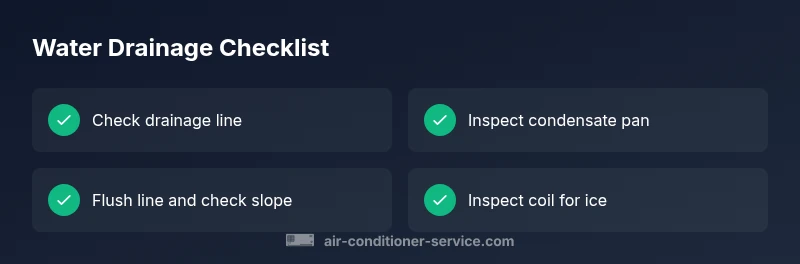
Begin by identifying the source: Is water accumulating on the floor near the indoor unit, or is it seeping from within the cabinet? Visually inspect the condensate line for kinks, blockages, or algae. If accessible, flush the line with a mild cleaning solution or distilled water to clear minor obstructions. Check the condensate pan for cracks and ensure its drain is properly connected. Look for ice on the evaporator coil; frost indicates airflow restrictions or low refrigerant. Ensure airflow is unobstructed: clean or replace the air filter, and verify that supply and return vents are open. Finally, assess the drain line slope (about a quarter inch per 10 feet is typical). If leaks persist after these checks, escalating to professional diagnostics is advisable.
Step-by-step fixes for the most common cause
If the condensate drain line is clogged, follow these steps in order. 1) Power off the unit at the breaker. 2) Locate the condensate drain line and inspect for visible blockages or kinks. 3) Use a long flexible brush or cloth to clear the line; flush with a small amount of distilled water if allowed by the manufacturer. 4) Inspect the condensate pan for cracks and replace if necessary. 5) Re-seat or replace the drain line seal and confirm proper slope. 6) Restore power and run a cooling cycle to verify drainage. If the line remains blocked or water reappears, a frozen coil or refrigerant issue may be the cause and requires professional evaluation.
Safety considerations and common mistakes to avoid
Never insert metal objects into a drain line; you could puncture it or push debris further into the system. Always disconnect power before any inspection near electrical components. Avoid running the unit if you see standing water or suspect a refrigerant leak. Common mistakes include assuming a tiny amount of water is harmless or using harsh chemical cleaners that damage the condensate pan. If you’re unsure about any step or lack the proper tools, contact a professional to prevent injuries or damage.
Prevention: keeping water issues under control in the long term
Prevention starts with regular maintenance. Change or clean the air filter every 1-3 months, depending on usage and environment. Schedule an annual professional tune-up to verify refrigerant charge, coil condition, and drainage integrity. Ensure condensate line slope remains correct after renovations or cleaning projects. Flushing the line with a manufacturer-approved cleaner or a vinegar solution can keep it clear, while replacing cracked pans promptly prevents future leaks. Monitor humidity levels; in high-humidity homes, a dehumidifier or whole-house humidistat reduces condensate production and helps the AC run efficiently.
When to call a professional
Some leaks are too complex for DIY. If you notice refrigerant odors, oily residues near line connections, frequent ice formation despite clean filters, or leaks that persist after cleaning and resealing, call a licensed HVAC technician. Unusual noises, refrigerant pressure concerns, or water around electrical components are red flags. In these cases, a professional will diagnose refrigerant issues, inspect ductwork for leaks, and ensure electrical safety. Air Conditioner Service emphasizes safety: stop work and contact a technician if you suspect a safety risk or if the unit is under warranty and may require authorized service.
Steps
Estimated time: 30-45 minutes
- 1
Power down the unit
Switch off the breaker to the air handler and confirm the unit will not start. This reduces the risk of electric shock while you inspect the cabinet.
Tip: Test the breaker with a voltmeter if available. - 2
Inspect the condensate line for blockages
Follow the line from the indoor unit to its exit. Look for kinks, slime, or mineral buildup. If you see a visible blockage, do not force it—use a brush or gentle airflow.
Tip: Keep a bucket nearby to catch any residual condensate. - 3
Clear and flush the line
Gently push a flexible brush through the line or flush with distilled water per manufacturer guidance. Avoid sharp objects that could puncture the line.
Tip: Do not use excessive force; stop if you meet resistance. - 4
Check the condensate pan
Inspect for cracks or loose fittings. If cracked, replace the pan and reseal the drain connection. Ensure the pan sits level so gravity directs water toward the drain.
Tip: Handle with care to avoid breaking tabs on the pan. - 5
Assess coil frost and airflow
Look for ice on the evaporator coil. If present, replace or clean the air filter and ensure vents are unobstructed. Persistent freezing may indicate low refrigerant or a more serious airflow problem.
Tip: Turn off the system and let the coil thaw before rechecking. - 6
Restore power and test
Turn the unit back on and run a cooling cycle with the drain line open to verify drainage. Observe for any continued leaks.
Tip: Monitor for several cycles to confirm stability.
Diagnosis: Water pooling around the indoor air handler or noticeable leaks inside the cabinet
Possible Causes
- highBlocked condensate drain line
- highCracked or overflowing condensate pan
- mediumImproper drain line slope or disconnected line
- mediumFrozen evaporator coil due to restricted airflow
- lowHigh indoor humidity causing excess condensate
Fixes
- easyClear the condensate drain line and ensure proper slope; replace if damaged
- easyInspect/replace condensate pan; seal connections and test for leaks
- easyCheck airflow: replace filter, clean ducts, verify vents are open
- mediumIf coils are frozen, thaw with proper airflow repair and check refrigerant with a pro
- hardCall a professional for persistent leaks or suspected refrigerant issues
Common Questions
What causes water in an air conditioner?
Most water in an air conditioner comes from condensation. A clogged drain line or a damaged pan can cause leaks. Ice on the evaporator coil can also melt and drip water inside the unit.
Water in an AC is usually condensation; a clogged drain line or damaged pan can leak water, and ice on the coil can melt inside.
Is water in the unit dangerous?
Water itself isn't hazardous, but it can indicate electrical or refrigerant risks. Always cut power before inspecting and call a pro if you notice burning smells or oily residues.
Water isn’t dangerous by itself, but it can signal electrical or refrigerant risks. Turn off power and call a professional if you smell burning or see oil.
Can a dirty filter cause leaks?
A dirty filter restricts airflow, which can cause the evaporator coil to freeze and later drip as it thaws. Regular filter changes help prevent this.
Yes. A dirty filter reduces airflow and can cause freezing and dripping when it melts.
Should I use chemical drain cleaners?
Chemical drain cleaners are not recommended for condensate lines; they can corrode parts and reduce effectiveness. Use manufacturer-approved cleaners or professional cleaning.
No, avoid chemical drain cleaners. They can damage the line; use manufacturer guidance or a pro.
When is DIY not advised?
If you’re unsure about refrigerant, electrical risks, or persistent leaks, stop and seek professional help. Some issues require specialized tools and training.
If you’re unsure about refrigerant or electrical parts, call a pro rather than DIY.
Watch Video
The Essentials
- Identify source quickly: drain line, pan, or coil.
- Never operate while water is present near electricals.
- Regular maintenance prevents recurring leaks.
- Call a pro for persistent or hazardous issues.