If Your Air Conditioner Keeps Freezing Up: Troubleshooting Guide
Learn practical steps to diagnose and fix an AC that keeps freezing up. Safe home checks, when to call a pro, and prevention tips from Air Conditioner Service.


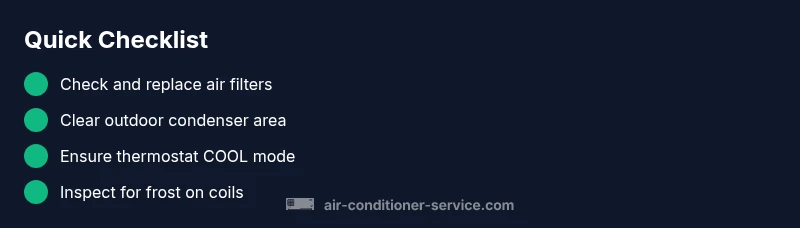
Most often, freezing is caused by restricted airflow or dirty coils. Start with quick checks: replace the air filter, clear debris around the outdoor unit, and ensure the thermostat is set to COOL. If the frost remains after these steps, shut off the compressor and contact a licensed technician. If air conditioner keeps freezing up, safety-first service is essential.
How freezing occurs in modern air conditioners
Air conditioners remove heat by circulating refrigerant through coils. When airflow is restricted or the evaporator coil gets too cold, moisture from inside the coil can freeze, forming frost that blankets coils and pipes. Frequent causes include dirty air filters, blocked return air, low refrigerant (in leaks), or dirty outdoor coils and fins. In some setups, the defrost cycle of heat pumps can also fail, leading to frost accumulation. For homeowners, the phrase 'if air conditioner keeps freezing up' often signals an easy-to-fix airflow issue rather than a deep refrigerant problem. Start by checking air filters and clear space around the outdoor unit. Frost on the coils reduces heat transfer and makes the compressor work harder, which can shorten the life of the system. Monitoring temperatures and cycle times helps determine if the issue is persistent or intermittent. According to Air Conditioner Service, many freezes are preventable with simple, proactive maintenance. Recognizing frost at the base of the evaporator or on refrigerant lines is a warning that airflow is obstructed or that moisture is saturating the coil.
Common home-causes you can spot quickly
Most freezing starts with airflow or coil issues. A dirty or restricted air filter is the single most common culprit; it chokes return air and reduces coil temperature, inviting frost. Debris around the outdoor condenser, such as leaves or brush, can insulate and hamper heat rejection. A refrigerant leak is rarer but serious; if the system is low on refrigerant, frost will form on the evaporator as the compressor tries to compensate. If the system is a heat pump, a malfunctioning defrost control or thermostat can cause frost to accumulate on outdoor coils. Finally, low indoor humidity or very low outdoor temperatures can contribute to frosting in some setups. By addressing these at-home causes you can often stop the freeze before it grows. Air Conditioner Service emphasizes that consistent maintenance and early detection are key to preventing recurring freezes.
Quick checks you can perform safely (no tools required)
Before you touch electrical components, switch off power to the unit. Check the air filter; replace if dirty. Clear the area around the outdoor unit; ensure 2-3 feet clearance. Inspect the outdoor coils: if accessible, look for visible frost or ice. If you see frost, wait for it to melt after turning the unit off for 15-30 minutes. Then restart and observe. Confirm thermostat settings and ensure the mode is COOL. Do not run the system while frost exists. If the frost returns quickly, proceed to deeper diagnostics or call a pro. Remember: safety first—avoid touching live wires or attempting refrigerant work.
When to escalate: signs that require a pro
If frost persists after basic checks, the issue is likely a refrigerant leak, a faulty defrost cycle, or a blocked indoor coil. A licensed HVAC technician should perform a refrigerant recharge, leak detection, and a full system diagnostic. Other reasons to call include unusual noises, buzzing from electrical components, or a compressor that trips breakers. Timely professional help can prevent further damage and prolong system life.
Prevention: maintenance routines that stop freezes
Create a simple maintenance schedule to avoid future freezes: replace disposable or washable air filters every 1-3 months, depending on usage and household conditions; keep outdoor space clear of debris and ensure two feet of clearance around the condenser; schedule professional inspections at least once a year or after a major cooling season. Regular coil cleaning, drain line checks, and thermostat calibration are small investments that pay off by keeping your system running efficiently and frost-free.
Documentation to prepare for service visits
When you call a pro, provide a concise history: when the freezing started, how often it occurs, any recent changes (filter replacements, new thermostat, or outdoor temperature spikes), and whether the unit ever defrosts on its own. Note the thermostat readings and the fan operation during frost events. Photos of ice patterns on coils and the outdoor unit can help the technician pinpoint the cause quickly. This information speeds up service and helps prevent unnecessary repeats visits.
Steps
Estimated time: 45-60 minutes
- 1
Power down and safety check
Turn off the breaker to both indoor and outdoor units and unplug if accessible. Wait 5 minutes to ensure capacitors discharge. This prevents electric shock and protects components during inspection.
Tip: If you must reach behind panels, use a non-conductive tool and keep hands dry. - 2
Check and replace air filters
Remove and inspect the air filter. If dirty or clogged, replace or wash (if reusable) according to the manufacturer’s instructions. A clean filter restores airflow and reduces coil frost risk.
Tip: Set a reminder to replace filters every 1-3 months depending on usage and household conditions. - 3
Clear space around the outdoor unit
Remove leaves, grass, and any debris from the condenser. Ensure at least 2 feet of clearance on all sides and above the unit. Debris blocks heat rejection and promotes frost formation.
Tip: Do not strike the fins with metal tools; use a soft brush or vacuum to avoid damage. - 4
Inspect indoor coils and ductwork visually
If accessible, check for frost along the evaporator coil inside the air handler. Look for ice buildup on refrigerant lines and ensure ducts are not kinked or blocked.
Tip: Take photos before touching any panels to aid professional diagnosis. - 5
Test system with cooling mode and fan
Restore power and run the system in COOl mode with the fan on. Observe for frost development and listen for unusual noises. Note how long the cycle runs before frost returns.
Tip: If frost forms again quickly, power down and prepare for a professional assessment. - 6
Decision point: when to call a professional
If frost recurs after basic checks or you detect refrigerant odor, buzzing, or hot surfaces, call a licensed HVAC technician. Refrigerant handling requires specialized equipment and codes.
Tip: Request a written diagnosis and a transparent quote before any refrigerant work.
Diagnosis: AC freezes up during cooling cycles
Possible Causes
- highRestricted airflow due to dirty air filter or blocked return vents
- highLow refrigerant charge from a leak
- mediumDirty outdoor condenser coils or fins obstructing heat exchange
- mediumThermostat set incorrectly or malfunctioning defrost control (for heat pumps)
Fixes
- easyReplace or clean air filter; ensure supply and return vents are unobstructed
- hardHire a licensed tech to detect and repair refrigerant leaks and recharge refrigerant
- easyClean condenser coils and straighten fins; ensure outdoor unit has clear space
- easyVerify thermostat settings and test the defrost mode; consult manual if unsure
- mediumIf frost persists, schedule professional service for a full diagnostic
Common Questions
Why does my air conditioner freeze up during cooling?
Freezing often starts with restricted airflow or a dirty evaporator coil. Check the air filter, clear outdoor debris, and verify cooling settings. If frost persists, a professional should inspect refrigerant levels and the defrost system.
Freezing usually starts from clogged air flow or frost on the evaporator; start with filters and outdoor area, and call a pro if it keeps happening.
Can a dirty air filter cause freezing?
Yes. A dirty filter restricts airflow, causing the evaporator to ice up. Replacing or cleaning the filter is often the first fix in troubleshooting freezing.
A dirty filter can definitely cause frosting by restricting airflow; replace it and monitor.
Is it safe to run the fan to defrost frost?
Running the fan can help melt surface frost, but it won’t fix underlying causes. Use cooling mode with the fan off if frost is present and turn off the system if frost thickens.
You can run the fan briefly to help melt frost, but don’t leave the unit on if frost is heavy.
Should I recharge refrigerant myself?
Recharging refrigerant requires a licensed technician. A leak must be fixed and the system pressure balanced; attempting it yourself is unsafe and illegal in many areas.
No, refrigerant work is for professionals—leaks must be repaired and the system charged correctly.
How often should I replace air filters to prevent freezing?
Most homes should replace filters every 1-3 months, depending on usage, pets, and dust. Regular changes help prevent airflow problems that can cause freezing.
Change filters every one to three months to keep airflow steady and prevent frost.
When should I call a professional for frost issues?
If frost recurs after basic maintenance, or you notice refrigerant signs like hissing or oil leaks, call a licensed HVAC technician for a full diagnostic and safe handling.
Call a professional if frost keeps coming back or you suspect a refrigerant issue.
Watch Video
The Essentials
- Start with airflow fixes before refrigerant checks
- Replace filters and keep outdoor unit clear
- Observe thermostat settings and frost patterns
- If frost returns, call a licensed pro promptly
- Maintain a yearly service schedule to prevent freezes