How to Fix Air Conditioner: Step-by-Step Troubleshooting
A practical, safety-first guide to diagnosing and fixing common air conditioner problems. Learn DIY checks, maintenance routines, and when to call a professional for reliable cooling.


This guide shows you how to fix air conditioner problems through safe, practical steps you can perform yourself. You’ll verify power, inspect filters, check outdoor unit clearance, and test performance after each fix, with clear warnings to avoid safety hazards. The approach emphasizes simple DIY fixes and knowing when to call a pro. This overview is designed for homeowners and renters seeking practical, safe steps to restore comfort without unnecessary downtime.
Understanding the basics of air conditioner operation
Air conditioners move heat from inside your home to the outside, using a refrigerant that circulates through a closed loop. A basic split-system or central-air setup relies on a thermostat to call for cooling, a compressor to pressurize the refrigerant, and a network of indoor and outdoor coils and fans to transfer heat. Knowing these parts helps you trace problems when you search for how to fix air conditioner. According to Air Conditioner Service, understanding the core components makes it easier to apply safe DIY fixes and to recognize when a professional is needed.
Common failure points include incorrect thermostat settings, dirty filters, blocked outdoor coils, condensate drainage issues, electrical faults, and refrigerant leaks. While many quick fixes address airflow and busy signals, others require specialized tools and training. This section maps the system to practical troubleshooting steps so you can identify which area is at fault before you begin any repair work.
Safety first: before you start
Before you touch any part of an air conditioner, prioritize safety. Always cut power at the thermostat and the main service panel, and if possible, lock out the circuit to prevent accidental re-energizing. Wear protective gear such as safety glasses and gloves. Keep children and pets away, and avoid touching capacitor components, live wiring, or refrigerant lines. If you smell burning or hear buzzing that seems abnormal, stop immediately and seek professional help. Air Conditioner Service emphasizes that a cautious approach reduces the risk of electric shock or equipment damage.
Diagnose before you fix: quick checks and tests
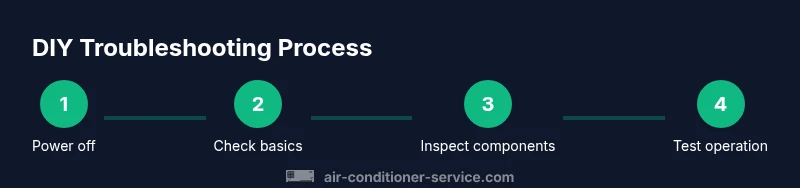
A systematic approach helps you avoid chasing symptoms. Start by verifying that the thermostat is set to cool and the fan is on auto. Check the circuit breaker and the disconnect switch near the outdoor unit. Then assess airflow by feeling the supply registers; weak airflow often points to dirty filters or blocked ducts. If you notice the outdoor unit is obstructed by debris or vegetation, clear the area and observe if heat exchange improves. These checks are the foundation of a practical, DIY path to fix air conditioner issues.
Common DIY fixes that homeowners can perform
With safety in mind, several fixes are within reach for many households. First, replace a dirty air filter and schedule regular replacements. Next, clean the outdoor condenser coils with a soft brush or gentle spray, taking care to avoid bending the aluminum fins. Clear condensate drains and verify the condensate pan is draining correctly. If the thermostat or control board seems off, resetting or recalibrating can restore proper communication. For electrical concerns, do not tamper with capacitors; consult a pro if you suspect capacitor or wiring faults. Finally, if your unit still struggles after these steps, plan a professional evaluation to delve into refrigerant levels or compressor health.
When to call a professional and what to expect
Some situations demand expert attention. If the problem persists after completing safe DIY checks, or you suspect a refrigerant leak, an electrical fault, or a faulty compressor, contact a licensed technician. A professional will typically perform a pressure test, refrigerant recovery if needed, electrical diagnostics, and precise component replacements. Expect a written estimate, a clear diagnostic report, and a test run after service. You should also discuss energy efficiency options and future maintenance plans to prevent reoccurrence.
Maintenance practices to prevent future breakdowns
Prevention is cheaper than repair. Establish a seasonal maintenance routine: inspect and replace filters as needed, clean the outdoor unit's coils annually, and keep outdoor space clear for airflow. Schedule professional inspections at least once a year, and consider a tune-up that includes refrigerant checks, electrical connection tightening, and a performance check. A well-maintained system runs more efficiently, cools more effectively, and reduces the likelihood of sudden breakdowns.
Tools & Materials
- Safety glasses(Essential eye protection when working near electrical components)
- Work gloves(Protect hands and grip tools safely)
- Flat-head screwdriver(For loosening panels and terminal screws)
- Phillips screwdriver(For tightening or removing screws on access panels)
- Multimeter(Test circuits and verify power at components)
- Non-conductive brush or coil brush(Clean fins without damaging them)
- Shop vacuum or damp cloth(Clean condensate tray and area around the unit)
- Towel or bucket(Catch any condensate or spills)
Steps
Estimated time: 60-120 minutes
- 1
Power off and secure the unit
Turn off power at the thermostat and then switch off the main service panel. Use a voltage tester or multimeter to confirm no live power is reaching the unit. This safety check prevents electric shock and protects components as you begin inspection.
Tip: If you can't locate the main disconnect, do not proceed; contact a licensed electrician. - 2
Check thermostat and control settings
Verify the thermostat is set to cool and the fan is on auto. If the reading on the thermostat seems off, replace the batteries or consider upgrading to a programmable model with a better fault indicator.
Tip: Allow the system to respond for a few minutes after changing settings before judging effectiveness. - 3
Inspect the air filter
Remove the filter and check for dirt buildup. A clogged filter reduces airflow and strains the system. Replace with a fresh one of the correct size and rating.
Tip: Keep spare filters on hand and schedule monthly checks during peak season. - 4
Inspect the outdoor condenser area
Look for debris, leaves, or vegetation blocking airflow around the condenser. Clear obstructions and ensure a safe radius of at least 12 inches around the unit.
Tip: Never insert objects into the condenser fins; use a soft brush from the outside. - 5
Check condensate drain and pan
Inspect the condensate drain line for clogs and ensure the pan is draining correctly. A blocked drain can trigger safety shutoffs or water damage.
Tip: If you see standing water, flush the line with a mild cleaning solution and a gentle stream. - 6
Inspect electrical components and wiring
Look for loose connections, burnt smells, or signs of wear on wires and contacts. Do not test high-voltage components unless you are trained; replace damaged parts and call a pro for capacitor or compressor concerns.
Tip: Discharge capacitors only if you are qualified; otherwise, skip this step to avoid shock. - 7
Test restart and observe operation
Reconnect power and run the cooling cycle for several minutes. Listen for unusual noises, check airflow, and verify that both indoor and outdoor fans are operating smoothly.
Tip: Document any irregular behavior for the technician if you need one. - 8
Plan next steps and safety check
If issues persist after these steps, schedule a professional diagnostic. Use the notes from your checks to help the technician pinpoint the problem faster.
Tip: Keep a simple maintenance log to track symptoms and fixes.
Common Questions
What should I do first if my AC won't turn on?
Start by checking the thermostat, then confirm the circuit breaker is on. If these basic checks don’t restore operation, this guide covers safe DIY steps and signs to seek professional help.
First check your thermostat and the breaker; if the unit still won’t start, consult the DIY steps and consider a professional diagnosis if needed.
Why is my air conditioner blowing warm air?
Common causes include incorrect settings, blocked outdoor unit, dirty filters, or low refrigerant. Address the easy fixes first, then evaluate whether a professional is needed.
Check settings, clean filters, and inspect the outdoor unit; if warm air persists, a professional check may be required.
Can I clean the coils myself?
Yes, using a soft brush and gentle spray can clean condenser coils. Do not bend fins or spray high-pressure water directly on electrical connections.
You can clean the coils with care; avoid damaging fins or wiring.
How often should I replace filters?
Check the filter monthly and replace as needed. In peak seasons, monthly replacements are common to maintain airflow.
Check monthly and replace as needed, especially during hot months.
When is a refrigerant leak dangerous?
Refrigerant leaks require professional service. If you hear hissing, smell chemical odors, or see oily residue, shut off power and call a pro.
Refrigerant leaks are a job for a pro; shut off power and call for service.
What safety precautions should I take?
Always cut power, avoid touching live wiring, and never bypass safety components. If unsure, stop and consult a technician.
Always power down and avoid risky electrical work; ask a pro if unsure.
Watch Video
The Essentials
- Power off before any inspection
- Regular filter maintenance improves efficiency
- Clear outdoor units for proper heat exchange
- Know when to call a professional