How to Deal with Mold in Air Conditioner
Learn practical, safety-first steps to identify, clean, and prevent mold growth in your air conditioner, improving indoor air quality and reducing health risks.


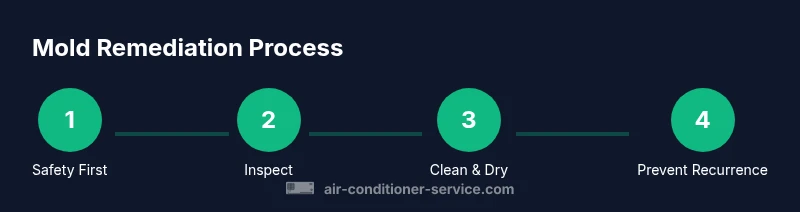
In this guide you will learn to safely deal with mold in an air conditioner by identifying moisture sources, cleaning accessible parts, replacing filters, drying the system, and implementing prevention strategies. Always start with safety: unplug, wear PPE, and avoid mixing cleaners. Seek professional help for extensive contamination or black mold.
What mold is and how it grows in your AC
Mold growth inside an air conditioner is usually driven by moisture, warmth, and available nutrients like dust and organic debris. Condensation lines and damp coils create ideal conditions for mold spores to take hold. When the system runs, spores can circulate into living spaces through the ducts. Addressing mold means correcting moisture, improving airflow, and cleaning surfaces safely. According to Air Conditioner Service, addressing both visible growth and underlying moisture sources yields the best long-term results. This section lays the groundwork for understanding where mold comes from and why a moisture-control approach is essential.
Health risks and why prompt action matters
Mold exposure can irritate the eyes, nose, throat, and lungs, especially for sensitive individuals like children, the elderly, or those with asthma. In an indoor setting, mold spores can circulate via the HVAC system, leading to potential exposures beyond the affected room. The most hazardous varieties may not be visible, so take mold seriously and address it early. The Air Conditioner Service analysis shows that proactive maintenance reduces the chances of mold proliferation and improves indoor air quality. If symptoms persist after running the AC, consult a healthcare professional and consider professional mold testing if needed.
Safety-first approach before you touch the unit
Before you touch the unit, unplug the AC and any associated power supplies. Put on PPE: gloves, eye protection, and a mold-safe disposable mask. Keep others away from the work area while you inspect. Avoid spraying strong cleaners directly on electrical components or exposed wiring. Use mild detergents or HVAC-safe cleaners, and test a small area first. Ventilate the space to minimize mold spore concentration. These precautions protect you from exposure and prevent damage to sensitive parts of the system.
Inspect for moisture sources: where mold hides
Carefully remove the access panel to inspect the evaporator coil, drain pan, condensate line, and filters. Look for visible mold growth, staining, moisture buildup, and signs of a clogged condensate line. Dirty filters restrict airflow, promote condensation, and feed mold growth. Mark areas that need attention and plan for more thorough cleaning if mold appears to be spreading beyond obvious surfaces. The inspection should also check insulation around refrigerant lines for condensation leaks.
Cleaning accessible components: coils, pan, and filters
Gently scrub mold from the evaporator coil housing and drain pan using a coil-safe cleaner or mild detergent solution. Rinse as directed and dry thoroughly. Clean or replace filters if they show mold or excessive staining. Avoid aggressive scrubbing that could bend coil fins; use a soft brush and a careful touch. After cleaning, ensure all surfaces are free of moisture and that water drains properly to prevent future mold growth. This step builds readiness for effective remediation.
Drying, ventilation, and prevention strategies
Dry all components completely using towels and a fan or dehumidifier to accelerate moisture removal. Reassemble panels and run the unit on a dry cycle with the fan on high to air out the enclosure. Maintain indoor humidity below a level that encourages mold growth (in practice, this often means keeping humidity in the comfortable range and using a dehumidifier when needed). Regular maintenance—like quarterly filter changes and annual inspections—helps prevent mold from returning.
When to call a professional and what to expect
If mold covers a large area, you notice black mold, or persistent moisture remains after cleaning, contact a licensed HVAC technician or mold remediation professional. Some jurisdictions require professionals for mold remediation, especially if ductwork is involved. A pro can perform a thorough cleaning, address hidden mold behind walls, and correct moisture sources with proper equipment. Early professional assessment can prevent health risks and structural damage.
Authorized cleaning agents and safe practices
Use products labeled safe for HVAC systems and approved for use on metal and plastics found in air handlers. Avoid mixing cleaners and never apply strong solvents near electronics or sealed components unless explicitly advised by product instructions. Test a small area beforewide application to prevent damage and ensure occupant safety. Following this guidance helps protect the unit while effectively reducing mold.
Long-term maintenance and ongoing learning
Develop a simple maintenance plan that includes annual inspections and semi-annual or quarterly filter changes, depending on use. Keep outdoor areas around the condenser clear of debris, ensure the unit is level for proper drainage, and monitor humidity indoors. Recording maintenance activities can help you spot trends and trigger timely interventions. Air Conditioner Service recommends making moisture control and routine service a habit to minimize mold risk over time.
Tools & Materials
- Personal protective equipment (gloves, mask, goggles)(Mold exposure protection; choose a respirator if mold exposure is high)
- Soft-bristled brush(For gentle scrubbing of surfaces without bending fins)
- Mild detergent or HVAC-safe cleaner(Non-corrosive cleaner safe for plastics and metal)
- White vinegar (optional)(Can be used for mild mold; avoid on metal surfaces where advised)
- Clean rags or disposable towels(For wiping surfaces and drying components)
- Bucket and spray bottle(For diluted cleaners and rinse assistance)
- Replacement HVAC filters(Choose the correct size and rating for your unit)
- Drying aids (fan or dehumidifier)(Speeds up moisture removal after cleaning)
- Screwdriver or panel removal tool(To access panels safely)
Steps
Estimated time: 60-120 minutes
- 1
Power down and prepare safety gear
Unplug the AC and thermostat. Put on PPE and clear the area to avoid exposure. This prevents electrical hazards and protects you from mold.
Tip: Do a quick safety check of the area before touching the unit. - 2
Access the indoor components
Remove access panels to reach the evaporator coil and drain pan. Take photos or notes to ensure proper reassembly.
Tip: Keep screws organized in a labeled container. - 3
Inspect for mold and moisture
Check for visible mold, staining, and moisture sources such as a blocked drain or leaky insulation.
Tip: Note where moisture is most concentrated for targeted cleaning. - 4
Clean coils and pan
Gently scrub mold with a dedicated HVAC coil cleaner or mild detergent, then rinse with water. Empty and clean the drain pan.
Tip: Do not bend fins or damage coil fins. - 5
Clean or replace filters
Replace moldy or overly dirty filters with new ones designed for your unit. This improves airflow and reduces mold nutrients.
Tip: Always check the filter rating and size. - 6
Dry and restore airflow
Dry all components completely. Use a fan or dehumidifier to speed up drying. Reassemble the unit and run a test cycle.
Tip: Ensure no moisture remains before closing panels. - 7
Prevent recurrence
Address moisture sources, seal leaks, improve ventilation, and maintain humidity control.
Tip: Schedule regular maintenance and keep a log. - 8
Know when to escalate
If mold reappears despite cleaning, or you have extensive contamination, call a pro.
Tip: Professional assessment can prevent health risks.
Common Questions
Is mold in my air conditioner dangerous to my health?
Mold can irritate airways and trigger allergies or asthma in sensitive individuals. While not all molds are toxic, persistent mold growth should be addressed to protect indoor air quality. Seek medical advice if you notice ongoing symptoms and consider professional remediation for extensive growth.
Yes, mold in your AC can affect health, especially for sensitive people. If symptoms persist, consult a professional and address moisture sources.
Can I clean mold myself, or do I need a professional?
Minor surface mold with good ventilation and proper cleaning can often be handled by a homeowner using HVAC-safe cleaners and PPE. However, extensive growth, hidden mold behind walls, or mold in the ducts should be handled by a licensed HVAC technician or mold remediator.
Small, surface mold can be cleaned by you with care; for larger or hidden mold, hire a pro.
What cleaners are safe for an air conditioner?
Use cleaners labeled safe for HVAC systems and approved for metal and plastic components. Avoid mixing cleaners and never spray directly onto electrical parts. Start with mild detergent or a coil-safe product and test a small area first.
Stick to HVAC-safe cleaners and always test a small area first.
How often should I check for mold and humidity?
Check the unit during seasonal maintenance and monitor indoor humidity levels. Aim to keep indoor humidity below typical comfort levels, and lower it further if mold symptoms persist. Regular filter changes help minimize mold growth.
Inspect during maintenance and keep humidity under control.
Should I replace the evaporator coil if mold is present?
Coil replacement is not usually the first step. Cleaning and addressing moisture sources is preferred, unless the coil is damaged or heavily contaminated. A professional can assess whether replacement is necessary.
Usually not necessary unless damaged; a pro can advise.
What humidity range helps prevent mold growth?
Keeping indoor humidity generally below 50-60% helps reduce mold growth, especially in areas with high moisture. Use a dehumidifier in damp climates or during humid seasons as needed.
Try to keep humidity under 60% to deter mold.
Watch Video
The Essentials
- Identify moisture sources and address them.
- Clean visible mold using HVAC-safe cleaners and replace filters.
- Dry all components completely to prevent regrowth.
- Enhance moisture control to reduce future mold risk.
- Call a pro if mold coverage is extensive or persists.