Air Conditioner Mold Removal: A Practical How-To Guide
Learn safe, step-by-step air conditioner mold removal techniques for homeowners and renters. PPE, cleaning methods, drying, and prevention to protect indoor air quality and equipment efficiency.


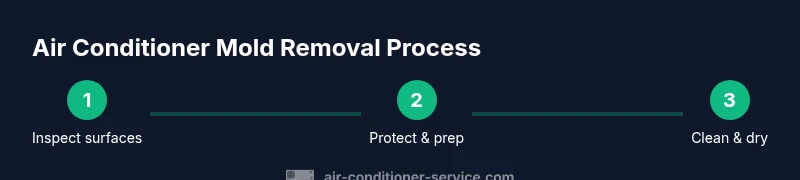
Air conditioner mold removal can be done safely at home for small, non-porous areas if you follow proper safety steps. Begin by turning off power to the unit, wearing PPE, and locating the mold-affected areas. Clean non-porous surfaces with detergent and water, then dry completely to prevent regrowth. For large patches or porous materials, seek professional help.
What is air conditioner mold removal and why it matters
Air conditioner mold removal describes the process of identifying mold growth in and around an air conditioning system and removing it to protect indoor air quality. It matters because mold spores can worsen allergies and asthma and may indicate moisture problems that can damage equipment over time. According to Air Conditioner Service, mold growth in residential AC systems typically stems from persistent moisture, elevated humidity, and condensate drainage issues. If left unchecked, mold can spread to ducts and into living spaces after the system runs. This guide focuses on safe, practical approaches for homeowners and renters to manage small, non-porous areas and know when to call a professional for larger problems.
Common mold sources in air conditioners
Most mold growth in AC systems originates where moisture accumulates or is allowed to persist. Condensate drain pans and lines that clog or leak create damp surfaces ideal for mold spores to colonize. Dirty coils, clogged filters, and poorly insulated ducts can also harbor mold. Outdoor moisture entering through poorly sealed intakes contributes to indoor mold issues as the unit cycles. Understanding these sources helps you target the right areas during air conditioner mold removal.
Safety first: PPE, power, and ventilation
Before touching any part of the system, ensure power is off at the breaker and the thermostat. Wear PPE: an N-95 respirator, protective goggles, and waterproof gloves. Work in a well-ventilated area and keep children and pets away from the workspace. If you smell strong chemical odors or see extensive mold, stop and call a professional. This safety mindset reduces exposure to mold spores and protects you from electrical hazards near condensate lines.
Cleaning methods: detergents, vinegar, bleach, and when to avoid bleach
Begin with soap and water to remove loose mold residues from non-porous surfaces such as metal housings and plastic drain pans. A soft brush or microfiber cloth helps lift grime without scratching seals. For light mold on non-porous surfaces, a diluted household detergent is often enough. White vinegar can provide mild antimicrobial action, but it is not a registered disinfectant for mold on all materials. Bleach can kill surface mold on non-porous materials, but it should never be used on porous substrates like wood or deteriorated foam. Always test any cleaner on a small area first and never mix cleaners.
Treating ducts, coils, and drain lines
Coils should be approached carefully to avoid damaging fins or reducing efficiency. Gently wipe the evaporator coil surfaces with a damp cloth after removing accessible debris. Do not use harsh scrubbing that could bend fins. If mold extends into ducts, consider using a professional fogging treatment or specialized cleaning, since improper methods can release spores into indoor air. Clearing the condensate drain line and pan is essential to prevent future mold, as standing water fuels regrowth.
Drying, humidity control, and filtration to prevent recurrence
After cleaning, dry all surfaces completely and inspect for any moisture leaks. Run the fan to circulate air and use a dehumidifier or air purifier to reduce relative humidity to 40-50%. Replace the air filter with a high-MERV model if possible to improve filtration. Regularly check the condensate line and drip pan for clogs and leaks. Keeping humidity low greatly reduces the chance of mold returning.
When to call a professional for air conditioner mold removal
Small, isolated mold on non-porous surfaces is manageable for many homeowners, but any mold growth on porous materials, insulation, or within ducts warrants professional evaluation. If you have persistent water intrusion, persistent musty odor, or a history of allergic reactions when the system runs, contact a licensed HVAC technician. Professionals can safely remove mold and address moisture sources without spreading spores.
Maintenance tips to prevent future mold growth
Schedule seasonal inspections to catch moisture problems early. Keep the area around the indoor unit dry by fixing leaks and ensuring proper drainage. Change or clean filters regularly to minimize mold food sources. Use a dehumidifier in humid climates and consider sealing ductwork to reduce moisture ingress. By maintaining moisture control and routine cleaning, you protect your indoor air quality and system efficiency.
Quick homeowner checklist for air conditioner mold removal
- Power down the unit and wear PPE
- Inspect for visible mold on coils and drain pans
- Clean with detergent and water on non-porous surfaces
- Dry thoroughly and fix moisture sources
- Reassemble and monitor humidity after operation
Tools & Materials
- Personal protective equipment (PPE) including N-95 mask, goggles, gloves(Protects from spores; use water-resistant gloves)
- Detergent (mild dish soap)(Dilute with warm water)
- White vinegar (optional)(Used as mild antimicrobial; not a disinfectant for all materials)
- Bleach (sodium hypochlorite) - only for non-porous surfaces(Follow label dilution; ventilate; never on porous materials)
- Baking soda(For odor control and gentle scrubbing)
- Spray bottle(For applying cleaners)
- Buckets and microfiber cloths(For rinsing and drying)
- Soft-bristle brush(To avoid damaging fins)
- HEPA vacuum cleaner or attachment(To capture spores)
- Drop cloths or plastic sheeting(Protect floors)
- Gloves and face shield(Extra protection during cleaning)
Steps
Estimated time: 60-120 minutes
- 1
Power down and prep
Turn off the AC breaker and thermostat. If accessible, unplug the outdoor unit and clear a safe workspace. This prevents electrical shocks and keeps you safe while cleaning. Having a clear plan reduces mistakes during mold removal.
Tip: Always verify the power is off at the breaker panel before touching any electrical components. - 2
Inspect mold-affected areas
Carefully inspect visible surfaces: coils, drain pan, condensate lines, and ducts near the indoor unit. Note any porous materials or staining. This helps you decide whether a DIY approach is appropriate or if professional help is needed.
Tip: Take photos to track mold spread before you start cleaning. - 3
Protect yourself and the space
Set up drop cloths to protect floors and wear PPE. Ensure pets and children are away. Work in a well-ventilated area and keep a trash bag handy for disposable towels and used wipes.
Tip: Ventilation reduces inhalation exposure to spores. - 4
Clean accessible non-porous surfaces
Use soapy water on metal housings and plastic drain pans. A soft brush or microfiber cloth lifts grime without scratching seals. Rinse with clean water and dry thoroughly.
Tip: Avoid vigorous scrubbing on fins to keep the coil efficient. - 5
Disinfect porous or difficult areas
For porous materials, avoid harsh chemicals that can release more spores. Use less aggressive cleaners and consider replacing porous components if contaminated. If you must use disinfectants, follow label directions and test first.
Tip: Porous materials often require professional remediation. - 6
Rinse, dry, and test
Wipe away any cleaner residues, dry all surfaces completely, and run the blower to promote drying. Reinspect for moisture; address leaks or drainage issues to prevent regrowth.
Tip: Complete drying is essential to prevent recurrence.
Common Questions
What causes mold growth in air conditioners?
Mold growth typically results from persistent moisture, condensation, and moisture-prone surfaces like drain pans and ducts. Poor drainage or high humidity creates an environment that mold spores thrive in.
Mold in air conditioners usually comes from lingering moisture and drainage issues, so fixing leaks and controlling humidity helps a lot.
Is bleach safe for air conditioner mold removal?
Bleach can kill surface mold on non-porous surfaces, but it is not ideal for porous materials and can damage some components. Always dilute, ventilate, and avoid mixing with other cleaners.
Bleach can be used on non-porous surfaces if you follow guidelines, but avoid porous materials and never mix cleaners.
How can I prevent mold from returning after cleaning?
Control humidity (40-50%), fix leaks, improve drainage, and change filters regularly. Regular maintenance reduces the chance of mold reappearing.
Keep humidity low, fix leaks, and clean filters regularly to prevent mold from coming back.
What if mold is inside the ducts?
Mold inside ducts often requires professional assessment. Improper cleaning can spread spores; a licensed HVAC technician can safely remediate and address moisture sources.
Duct mold needs professional help to avoid spreading spores and to address moisture properly.
How long does mold remediation take?
Time varies with extent. Small jobs may take a few hours, while larger mold growth can require several visits. Drying and moisture control are ongoing parts of the process.
Remediation time depends on how extensive the mold is and how quickly moisture can be controlled.
Watch Video
The Essentials
- Use PPE and power-down safety first
- Clean non-porous surfaces with detergent and water
- Dry all surfaces completely to prevent regrowth
- Address moisture sources to reduce recurrence
- Call a professional for porous materials or extensive mold
- Maintain regular filter changes and moisture control