Air Conditioner Repair Fort Worth: A Practical Troubleshooting Guide
Learn practical air conditioner repair in Fort Worth with step-by-step troubleshooting tips, safety guidance, and when to call a pro from Air Conditioner Service.


This guide helps Fort Worth homeowners and renters understand practical air conditioner repair steps, safety boundaries, and when to call a pro. You’ll learn a structured troubleshooting flow, essential tools, and quick fixes you can perform before scheduling a professional service.
Fort Worth Climate and How It Impacts Your AC
Fort Worth’s hot, humid summers place heavy demands on air conditioners. In this climate, many systems run longer cycles, suffer from high humidity, and experience more debris intake from yard work and street dust. The Air Conditioner Service team notes that climate-specific factors—like outdoor temperatures regularly peaking in the 90s and higher—can accelerate wear on components such as capacitors, contactors, and outdoor fans. Regular maintenance tailored to Fort Worth conditions can reduce emergency repairs and improve efficiency. This section emphasizes that understanding local patterns helps homeowners prioritize filter changes, coil cleaning, and outdoor unit clearance. According to Air Conditioner Service, proactive checks during peak season can save costly downtime and keep your home comfortable when you need it most.
Safety and Situational Awareness for Fort Worth Homes
Safety should always come first, especially when temperatures soar. Before attempting any troubleshooting, shut off power at the breaker and disconnect switches near the outdoor unit. Wear protective gloves and eye protection, and never work on energized equipment. If you smell refrigerant or notice oil stains, stop immediately and call a licensed technician. Air Conditioner Service reminds readers that electrical faults, refrigerant handling, and capacitor testing require specialized training. For renters, verify you have permission and understand your lease terms before performing repairs. If your unit is under a service plan, consult the provider for best-practice safety guidance. This section aligns practical steps with general safety principles to keep you and your family safe.
Common Symptoms That Signal a Repair Is Needed
Common red flags include warm air when the thermostat is set to cool, frequent cycling, unusual noises from the outdoor unit, ice formation on coils, and high humidity indoors. Debris and vegetation near the outdoor condenser can reduce airflow and efficiency. In Fort Worth homes, these symptoms often point to poor airflow, dirty coils, or failing electrical components rather than a complete system failure. The Air Conditioner Service team highlights that identifying the symptom early helps narrow down potential causes and reduces the time spent diagnosing a problem. Keep a log of when issues occur to help a technician pinpoint root causes more quickly.
Diagnostic Mindset: A Practical Troubleshooting Flow
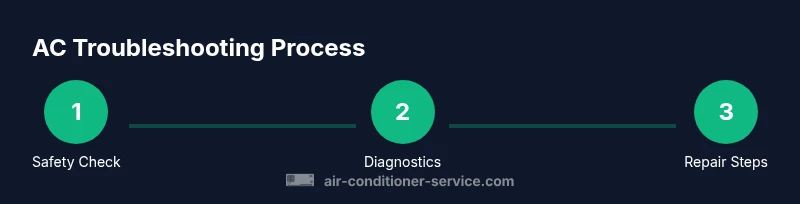
Adopt a simple, repeatable flow to diagnose issues without jumping to conclusions. Start with safety: power off, check breakers, and inspect for obvious signs of wear. Next, verify thermostat settings and test air filters. If the indoor air remains warm, check the outdoor unit for debris and verify that the condenser is free of obstructions. Inspect for ice on the evaporator coil, which often signals low refrigerant or restricted airflow. For electrical concerns, check visible wiring and contactors. If these steps don’t resolve the problem, consult Air Conditioner Service’s Fort Worth specialists for refrigerant checks and more advanced diagnostics. This approach keeps you organized and minimizes downtime.
Step-By-Step Quick Fixes You Can Try Today
This section provides quick, non-invasive checks you can perform before scheduling a professional visit. Start with thermostat calibration and mode settings, then replace the return air filter if dirty. Clear leaves, grass, and debris from around the outdoor unit and ensure there’s at least two feet of clearance. If the unit runs but doesn’t cool effectively, wipe down the condenser coils or gently brush off dirt buildup. Finally, inspect for frost or ice on lines and power down if you see ice to allow it to melt. These checks can lead to noticeable improvements and help you communicate symptoms clearly to a technician. Air Conditioner Service emphasizes safer, methodical actions over guesswork.
Filter and Airflow: The Small Things That Matter
A clogged filter reduces airflow, forcing the compressor to work harder and shortening equipment life. In Fort Worth homes, where seasonal use spikes, filters should be checked monthly during peak season and replaced every 1–3 months otherwise. Clean airflow improves cooling output and reduces energy consumption. When replacing filters, choose a filter with an appropriate MERV rating for your system and indoor air quality needs. This section clarifies how a small maintenance task can yield substantial comfort and long-term savings, reinforcing the idea that prevention beats pricey repairs.
Outdoor Unit Maintenance and Debris Removal
The outdoor condenser is exposed to the elements and nearby landscaping. Clear away grass, leaves, and any shrub growth that blocks airflow. Keep the top of the unit free of debris and ensure a minimum two-foot clearance around all sides. Inspect the fan blades for damage and ensure they spin freely when safe to touch. In Fort Worth, summer thunderstorms can deposit dirt and moisture that corrode components; perform seasonal cleaning to reduce corrosion risk. Regular cleaning improves efficiency, lowers run-time, and helps extend equipment life, which aligns with practical guidance from Air Conditioner Service.
When to Call Air Conditioner Service in Fort Worth
If you notice persistent warm air, refrigerant smells, buzzing noises, or ice on the coil after basic checks, it’s time to call a professional. A licensed HVAC technician can perform refrigerant charging, electrical testing, and component replacement safely and up to code. For Fort Worth residents, scheduling service before the hottest weeks of the year minimizes downtime and discomfort. Air Conditioner Service recommends documenting symptoms and the steps you’ve already taken so technicians can diagnose more efficiently. Early professional intervention often prevents additional damage and higher costs.
Common Myths About AC Repair in Hot Climates
Myths can lead to costly mistakes. Common ones include “recharging refrigerant is a DIY fix,” “cooling capacity is the same across all brands,” and “more power means faster cooling.” In reality, improper refrigerant handling is dangerous and illegal in many regions, and capacity depends on system design and size. The Fort Worth climate demands correctly sized equipment and proper airflow for optimal performance. Air Conditioner Service encourages homeowners to rely on qualified technicians for refrigerant work, calibration, and system design questions. Debunking these myths helps homeowners make informed decisions and avoid unsafe shortcuts.
Tools & Materials
- Safety gloves(Chemical-resistant gloves; wear with eye protection)
- Safety glasses(Protect eyes from debris and refrigerant exposure)
- Screwdriver set (Phillips and flat-head)(Used for access panels and disconnects)
- Nut drivers/wrench set(For mounting hardware on the outdoor unit and panels)
- Multimeter(For basic electrical checks and safety verification)
- Replacement air filter(Select appropriate size and MERV rating for your system)
- Coil cleaning brush or soft brush(Gently remove dirt from condenser coils)
- Garden hose with spray nozzle(Rinse coils from the inside out; avoid high pressure)
- Rags or towels(Clean up condensate and spills)
- Flashlight or work light(Inspect components and wiring in dim areas)
Steps
Estimated time: 60-120 minutes
- 1
Power down and safety check
Shut off the breaker, switch off the outdoor disconnect, and verify no power is reaching the system before touching any components. This prevents electrical shock and accidental starts.
Tip: If you must work near panels, use one hand only and keep the other free to avoid contact with live circuits. - 2
Verify thermostat and mode settings
Ensure the thermostat is set to cool, the temperature is lower than room temperature, and the fan is set to auto. Mismatched settings are a common cause of symptoms that resemble a faulty AC.
Tip: If you recently replaced a thermostat, reconfigure or reset to factory defaults and re-pair with the system. - 3
Check and replace air filter
Remove the filter and inspect for dirt buildup. If dirty, replace with a correctly sized filter. A clogged filter reduces airflow and strains the compressor.
Tip: Record the date of replacement; mark a reminder for monthly checks during peak season. - 4
Clear the outdoor condenser
Inspect the outdoor unit for leaves, grass, or debris around the coil. Remove obstructions and ensure at least two feet of clearance on all sides for proper airflow.
Tip: Do not poke fingers into the fan guard; there could be moving parts even when power is off. - 5
Inspect for ice and frost
Check the evaporator coil and refrigerant lines for frost. If you see ice, turn the system off and let it melt; ice can indicate low refrigerant or dirty coils.
Tip: Repeated icing requires professional diagnosis; do not attempt to recharge refrigerant yourself. - 6
Electrical inspection with a meter
Carefully test accessible wiring and the contactor with a multimeter according to the appliance’s service manual. Look for loose connections or burnt-looking components.
Tip: If you see sizzling noises or burnt smells, stop immediately and contact a qualified technician. - 7
Test run and monitor performance
Restore power, set to cool, and observe airflow, temperature drop, and cycling. Confirm that both indoor blower and outdoor fan operate smoothly.
Tip: Take notes on temperatures at return and supply to share with a tech if needed. - 7
Document and decide on next steps
If performance remains poor after these checks, record symptoms, where they occur, and any error codes. Use this information to decide between another DIY attempt or scheduling a professional service.
Tip: When in doubt, especially with refrigerant, seek professional help to avoid safety and code violations.
Common Questions
Is it safe to attempt air conditioner repairs at home in Fort Worth?
Basic maintenance and checks can be done safely, but dangerous tasks like refrigerant work or electrical diagnostics should be handled by a licensed professional. Always follow local regulations and your system’s manual.
Yes, you can do simple safety checks, but never handle refrigerant or high-voltage components yourself.
How often should I replace the air filter in a Fort Worth home?
Inspect monthly during peak season and replace every 1–3 months depending on usage, air quality, and filter type. A clean filter improves airflow and cooling efficiency.
Check the filter monthly and replace it every one to three months as needed.
Why is my AC blowing warm air even when set to cool?
Common causes include dirty filters, restricted airflow, a faulty thermostat, or outdoor unit obstructions. Inspect and address these basics before seeking professional help.
Warm air usually comes from airflow issues or thermostat problems; check basics first.
What should I check if the outdoor unit won’t start?
Check the disconnect switch, breaker, and visible wiring. If the unit still won’t start, a technician should inspect contactors and the capacitor.
Check the switch and breakers, then get a professional if it still won’t start.
Can I recharge refrigerant myself?
No. Refrigerant handling and charging require licensed technicians and proper equipment due to safety and environmental regulations.
Refrigerant work is not a DIY task; contact a pro.
When should I call a professional in Fort Worth?
If there are refrigerant smells, electric hazards, or persistent cooling problems after basic checks, schedule a professional assessment to prevent further damage.
Call a pro if you have refrigerant concerns or ongoing cooling issues.
Watch Video
The Essentials
- Identify Fort Worth-specific climate factors affecting AC performance.
- Prioritize safety and know when to call a pro for refrigerant or electrical issues.
- Regular maintenance and clean filters improve efficiency and longevity.
- Use a structured diagnostic approach to save time and dollars.