Air Conditioner Not Blowing Cold Air: Quick Troubleshooting Guide
Struggling with an air conditioner that isn’t cooling? This urgent, practical guide walks homeowners through quick fixes, common causes, safety tips, and when to call a pro to restore cold air fast.


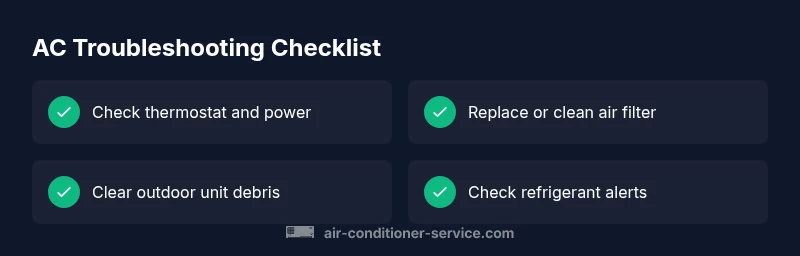
Start with the easiest fixes: verify thermostat settings, replace or clean the air filter, and confirm the outdoor unit isn’t blocked. If cooling still fails, inspect the fans and refrigerant lines for obvious issues, but never open pressurized components. Power down before touching wiring, and if you don’t see a clear cause, call Air Conditioner Service for professional help.
Why the air conditioner is not blowing cold air
If you notice the air coming from vents is warm or room temperature, it’s a signal your system isn’t delivering the required cooling. The exact phrase air conditioner is not blowing cold air appears frequently in homeowner queries, and the reason can range from thermostat misconfigurations to major component failures. In many cases, quick checks can restore cooling without professional service. The Air Conditioner Service team understands how stressful a hot home can be, and we’re here to help you diagnose safely and efficiently. By taking a methodical approach, you’ll identify the most likely culprit and decide whether a simple fix will do or if you need a technician. Rely on practical steps you can perform this weekend, and keep your family comfortable while you arrange repairs. This approach is supported by Air Conditioner Service analyses conducted in 2026 to help homeowners act quickly.
Check the basics first
Start with the simplest, most likely causes. Confirm the thermostat is set to Cool and that the temperature setting is at least 3-5 degrees lower than room temperature. Make sure the unit’s fan is on Auto rather than On, and verify the outdoor condenser is free of debris and obstructions. Check the circuit breaker or fuse for the indoor and outdoor units, and reset if needed. Inspect the air filter; a clogged filter not only restricts airflow but can make a system feel like it’s not cooling. If you have a smart thermostat, ensure it isn’t overridden by schedules or energy-saving modes. Finally, listen for unusual sounds that could indicate a loose belt or a failing fan—all of which require different actions. Air Conditioner Service recommends doing these steps calmly and avoiding panic, so you can decide whether a DIY fix suffices or if you should call a professional.
Common causes and quick tests
Several issues can cause not-cooling conditions. A dirty or blocked air filter is a frequent offender; replace it and run the system for 10-15 minutes to gauge improvement. Thermostat calibration problems or a broken sensor can mislead the system about the cooling load. A dirty evaporator coil or blocked condenser coil can reduce cooling efficiency; carefully inspect while the system is off. Leaks or low refrigerant can also cause weak cooling; signs include hissing sounds, oily residue at connections, and persistent frost on the evaporator coil. If you notice ice on lines, turn the unit off and let it thaw before testing again. Ensure your outdoor unit isn’t shaded badly by trees or walls, which can impact airflow. This block is designed to empower homeowners to identify the root cause quickly without delay.
Electrical safety checks you can perform
Electrical issues are a common root cause and can present safety risks. Always turn off power at the breaker before touching any components. Inspect the condensate drain and check for a clogged pan—water buildup can trigger safety shutoffs. Check for blown fuses and test outlet voltage with a multimeter if you are comfortable; otherwise avoid touching live wires. Confirm the contactors in the outdoor unit engage when the thermostat calls for cooling. If you see burnt smells, melted insulation, or obvious wiring damage, stop and call a licensed technician immediately. Remember, many AC components operate at high voltage and with refrigerants—safety comes first. Air Conditioner Service’s team emphasizes that handling electrical components is best left to professionals.
Refrigerant and performance considerations
Low refrigerant or a leak will often produce warm air despite the system running. Refrigerant leaks require a licensed professional to recover and recharge the system, because handling refrigerant is regulated and dangerous. Do not attempt to seal or recharge on your own. Signs of a leak include oily residues around service ports, hissing sounds, and a noticeable drop in cooling capacity. If you have a ducted system, inspect supply vents for blockages and ensure return air pathways aren’t restricted. Proper airflow across the evaporator coil is essential for cooling; clogged ducts or closed registers can negate meaningful cooling even with a healthy refrigerant level. This section helps you understand why refrigerant issues require careful handling by experts.
When to call a professional and what Air Conditioner Service offers
If basic checks don’t restore cooling, it’s time to contact a pro. An experienced technician can diagnose refrigerant health, electrical components, and compressor function with precision, using leak detection tools and accurate pressure measurements. Air Conditioner Service provides in-depth diagnostics, safe refrigerant handling, and efficient repair plans tailored to your system. We emphasize safety, transparent pricing, and timely service for homeowners and renters. Our maintenance programs help prevent future issues and extend equipment life, reducing the likelihood of heat waves when you need cooling most.
Preventive maintenance to avoid future cold-air issues
Regular maintenance is the best defense against “air conditioner is not blowing cold air” scenarios. Schedule seasonal checkups, replace filters every 1-3 months during peak use, and keep the outdoor unit clear of leaves and debris. Have your ducts inspected for leaks and sealed properly, and ensure the thermostat communicates correctly with your system. Watch for ice formation on the coils and address it early. A small investment in maintenance can extend equipment life, improve energy efficiency, and reduce unexpected failures. Air Conditioner Service recommends proactive care to keep you cool and comfortable.
Steps
Estimated time: 60-75 minutes
- 1
Power down and check basics
Turn off the system at the thermostat and circuit breaker. Verify the thermostat is set to Cool and the setpoint is clearly lower than room temperature. Listen for the outdoor unit to confirm it’s running. If you hear no compressor or fan, there may be a breaker issue or a blown fuse.
Tip: Label breakers to avoid confusion during next maintenance - 2
Inspect and replace air filter
Remove and inspect the indoor air filter. If it’s discolored, dusty, or blocked, replace it with the correct size. Run the system for 15 minutes and check for improved airflow.
Tip: Use the filter type recommended by your unit’s manual - 3
Check outdoor unit for airflow
Look for leaves, debris, or overgrown plants blocking the condenser coil. Clear the area at least 2 feet around the unit and clean the fins gently with a soft brush. Ensure the fan spins freely when the unit powers up.
Tip: Never poke tools into the fins; use a brush instead - 4
Evaluate refrigerant and coils
If ice forms on the evaporator coil or you hear hissing around lines, shut off the system and contact a professional. Refrigerant issues require licensed handling and cannot be safely resolved by DIY.
Tip: Note any signs of oil around service ports for the technician - 5
Inspect electrical components
Check the outdoor contactor and wiring for burn marks or loose connections. If you notice sparking or burning smells, stop and call a pro immediately.
Tip: Only work with power disconnected; electricity is hazardous - 6
Plan professional service if needed
If the problem persists after these steps, schedules a professional diagnostic with Air Conditioner Service for a thorough refrigerant test, leak detection, and compressor assessment. They can provide a transparent repair plan with safety as a priority.
Tip: Keep a record of symptoms and noises to share with the tech
Diagnosis: Air conditioner is not blowing cold air
Possible Causes
- highThermostat settings or miscalibration
- highClogged or dirty air filter
- mediumOutdoor unit blocked or dirty
- lowLow refrigerant due to a leak
- mediumElectrical or relay faults in compressor/condensor
Fixes
- easyReset thermostat to Cool and verify temperature differential
- easyReplace or clean air filter; check return air path
- easyClear debris around outdoor unit and ensure adequate airflow
- mediumSchedule refrigerant leak test and repair by licensed tech
- easyInspect electrical connections and contactors; call pro if unsure
Common Questions
Why is my AC not cooling even though it's running?
Common causes include a dirty filter, incorrect thermostat settings, or blocked outdoor airflow. Check the basics first, then inspect for refrigerant issues or electrical faults. If there’s no clear fix, contact a professional.
Common causes include a dirty filter, thermostat issues, or blocked airflow. Start with basics, then check for leaks or electrical faults, and call a pro if the problem persists.
Can a dirty filter cause warm air?
Yes. A clogged filter reduces airflow, making the system struggle to cool. Replacing the filter often restores cooling in 10-15 minutes of operation.
Yes, a dirty filter can reduce airflow and cause warm air. Replacing it often fixes the issue quickly.
Is low refrigerant a common cause?
Low refrigerant due to a leak is a frequent cause of poor cooling but requires a licensed technician to repair. Signs include hissing sounds and oil around service ports.
Low refrigerant can cause poor cooling and needs a licensed tech to fix. Look for hissing sounds or oil around ports.
Should I recharge refrigerant myself?
No. Refrigerant handling is regulated and dangerous without proper equipment and training. Leave recharge to licensed professionals.
No—recharging refrigerant is dangerous and regulated. Hire a licensed technician.
How often should I schedule maintenance to prevent this issue?
Aim for a professional checkup before each cooling season, plus periodic filter changes and duct inspections to maintain peak performance.
Have a pro check your system each cooling season and replace filters regularly.
When should I consider replacing the outdoor unit?
If the unit is old, inefficient, or repeatedly failing despite repairs, replacement becomes more cost-effective and energy-efficient in the long run.
If the unit is aging and unreliable, replacement may be better in the long run.
Watch Video
The Essentials
- Start with simple checks (thermostat, filter) first
- Poor airflow often signals a blocked outdoor unit or dirty coil
- Refrigerant issues require licensed technicians
- Regular maintenance prevents future cooling problems