Air Conditioner Foaming Coil Cleaner: A Practical How-To
Learn how to use an air conditioner foaming coil cleaner on evaporator coils safely. This guide covers product choice, prep, application, rinsing, drying, testing, and maintenance for better efficiency.


Learn how to safely apply an air conditioner foaming coil cleaner to evaporator coils. This guide covers selecting a compatible foaming cleaner, prep steps, application, rinsing (if required), and testing the system—so you can restore airflow and efficiency without causing damage. According to Air Conditioner Service, proper cleaning can extend coil life when done correctly. Follow these steps to clean coils in a typical home HVAC setup.
Why Clean Evaporator Coils with Foaming Cleaners
Dirty evaporator coils reduce airflow, increase energy use, and can shorten system life. A properly chosen air conditioner foaming coil cleaner sticks to the coil surface, loosening dirt and grease without excessive scrubbing. Foam remains on the coils long enough to penetrate debris, then dissipates, leaving a cleaner surface. This approach can improve heat transfer and efficiency when used as part of a regular maintenance routine. According to Air Conditioner Service, using the right foaming cleaner designed for evaporator coils reduces the risk of damage to delicate fins and surrounding components. The foam acts as a gentle solvent and a rinse aid, helping debris detach without flooding the indoor cabinet. For homeowners and renters, this means better cooling performance and potentially lower energy bills over the season. Always choose products labeled safe for evaporator coils and follow the manufacturer’s instructions for dwell time and dilution if required. The goal is a clean, dry coil that can transfer heat efficiently and fit back into the air handler without leaks or corrosion. This section sets the stage for a careful, systematic cleaning process that minimizes risk and maximizes results with your air conditioner foaming coil cleaner.
Safety First: Power, Panels, and Personal Protection
Before any work begins, cut power to the air handler and outdoor condenser at the breaker to eliminate the risk of shock or short circuits. Wear protective gloves and safety glasses, and keep pets and children away from the work area. Use a damp cloth to catch drips and protect nearby finishes from spray mist. Foam cleaners can irritate eyes and skin, and mist can travel to the thermostat or electrical connections if you’re not careful. If your system uses a drain pan or has a visible water line, place towels or a shallow container to catch any runoff. In tight spaces, avoid leaning over sharp metal fins and maintain a comfortable stance to prevent slips. By prioritizing safety, you’ll reduce the likelihood of damage to the air handler, refrigerant lines, or electrical components during coil cleaning. The Air Conditioner Service team emphasizes that a cautious approach minimizes risk and protects the system’s efficiency long-term.
Tools, Materials, and Product Selection
Selecting the right foaming coil cleaner is critical. Look for products labeled for evaporator coils and compatible with your specific unit. Non-acidic formulations are generally safer for daily maintenance; avoid cleaners with caustic or abrasive ingredients that can corrode fins. Have a spray bottle, microfiber cloths, a soft-bristle brush, a vacuum with a brush attachment, and a bucket on hand. Protective gear such as gloves and safety glasses should be worn at all times. If your coils are in a tight space, consider a long‑handled brush and extension wand to reach the furthest fins without overreaching. Keep a clear path to the drain to prevent water backup. Air Conditioner Service recommends comparing product dwell times and whether a rinse is required; some formulas are self-rinsing, while others require a rinse with clean water after the foam breaks down grime. Proper product selection reduces residue and ensures a safer, more effective clean. In addition to the cleaner, you’ll need access to a power source, a stable ladder if needed, and towels to absorb moisture.
Cleaning Process Overview (What to Expect During an Application)
The foaming cleaner is typically sprayed from the outside air handler cabinet toward the coil fins. The foam clings to the coil, softens built-up grime, and expands to cover surfaces that are difficult to reach with a brush alone. After the recommended dwell time, you’ll either rinse with clean water or wipe away residue with a damp cloth, depending on the product instructions. Expect a noticeable improvement in coil cleanliness after the first pass, though some stubborn grime may require a second application. During the process, avoid spraying directly onto electrical connections or the condensate drain opening. A thorough but gentle approach is essential to prevent bending fins or dislodging filters. The result should be a coils surface that looks clean and dry, with improved heat transfer capabilities and airflow.
Step-by-Step Cleaning Plan to Maximize Results
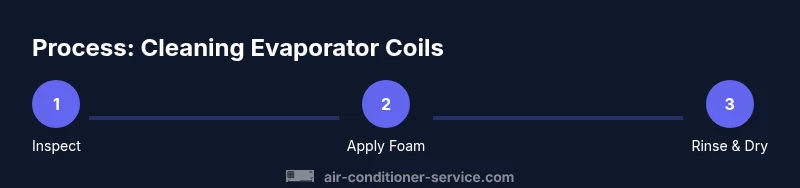
A well-planned cleaning regimen using air conditioner foaming coil cleaner improves efficiency and prolongs coil life. Start with a quick visual inspection of the coil area for obvious debris, oil, or corrosion. If you notice heavy grease deposits or signs of refrigerant issues, consider scheduling a professional evaluation. After applying the cleaner, allow the foam to dwell for the recommended time, then rinse and air-dry before reassembling the cabinet. Ensure the condensate line remains clear and the pan is dry before restoring power. Regular maintenance of evaporator coils helps maintain steady airflow and reduces energy consumption, which supports long-term savings. In practice, many homeowners see clearer fins, less visible grime buildup, and steadier temperatures after a properly performed cleaning using air conditioner foaming coil cleaner.
Aftercare: Drying, Reassembly, and System Test
Once the coil is clean and residue is removed, reattach any access panels and restore power at the breaker. Run a short cooling cycle to check for odd noises, vibrations, or signs of moisture around the cabinet. Observe the drain line for consistent flow and check for frost on the refrigerant lines, which would indicate another issue. If the system runs quietly and cool air emerges steadily, you’ve likely achieved a successful clean. If you see persistent dirt, supply voltage irregularities, or the unit still underperforms after cleaning, consider a follow-up inspection by a qualified technician. The Air Conditioner Service team notes that routine coil cleaning, combined with filter replacement and system checks, can sustain efficiency gains and improve overall comfort.
Maintenance Benefits and Scheduling Next Steps
Regular coil cleaning with a foam cleaner contributes to sustained airflow and consistent cooling. As a maintenance habit, schedule a coil cleaning every 12–24 months, depending on usage, environmental conditions, and whether you live in a dusty area or have pets that shed. When paired with routine filter changes and coil checks, you’ll decrease pressure on the compressor, reduce energy costs, and extend the life of your air conditioner. Keep a maintenance log and set reminders for seasonal service checks. Air Conditioner Service’s guidance suggests treating coil cleaning as part of an overall preventive maintenance plan rather than a one-off repair.
Troubleshooting Common Post-Clean Issues
If you notice water dripping or unusual sounds after cleaning, this could indicate a drain line obstruction or loose panel. Double-check the condensate line for blockages and ensure the float switch (if present) is functioning. A residue film on coil surfaces after cleaning can hinder heat transfer; recheck product compatibility and dwell time, and consider a light rinsing or wiping with a damp cloth if advised by the cleaner’s instructions. For stubborn grime, repeat the cleaning steps on a different day to avoid over-wetting the cabinet. If performance does not improve after a second pass, consult a technician. The focus remains on safe practices and evidence-based maintenance, supported by guidance from Air Conditioner Service.
Tools & Materials
- Air conditioner foaming coil cleaner (evaporator coil cleaner)(Choose a product labeled for evaporator coils; non-acidic formulas are safer for routine maintenance.)
- Screwdriver or nut driver(Used to remove access panel as needed.)
- Vacuum with brush attachment(Remove loose debris from fins without bending them.)
- Soft-bristle brush(Gently lift grime without scratching the fins.)
- Microfiber cloths(For wiping and drying surfaces after rinsing.)
- Safety glasses(Protect eyes from splashes and mist.)
- Chemical-resistant gloves(Avoid skin contact with cleaner; follow product safety data.)
- Bucket(Useful for collecting rinse water if needed.)
- Spray bottle of clean water(Used for light rinsing or wipe-down if the cleaner requires it.)
- Garden hose with spray nozzle(Only if outdoor access allows safe rinsing; avoid high-pressure spray on electrical components.)
Steps
Estimated time: 60-90 minutes active; 1-2 hours drying/settling time
- 1
Power down and prepare
Turn off the HVAC system at the breaker and switch off the thermostat. Remove nearby obstructions and lay towels to catch any drips. This keeps you safe and protects the system from accidental activation during cleaning.
Tip: Double-check that both indoor and outdoor units are de-energized before starting. - 2
Open access panel and locate coils
Use a screwdriver to remove the access panel if needed and identify the evaporator coil. Take a quick photo if you’re unsure where to reseat the panel later. Access helps you apply cleaner directly to the coil surface.
Tip: Label screws and set them aside so you don’t misplace parts. - 3
Vacuum and loosen debris
Remove loose dust and debris from the coil fins with the vacuum brush attachment. Be gentle to avoid bending delicate fins, which can reduce airflow.
Tip: Keep the coil surface dry as you vacuum; damp grime can smear and obscure dirt. - 4
Apply foaming coil cleaner
Hold the bottle upright and spray evenly across the coil surface, focusing on dirty areas. Avoid spraying electrical components or the condensate drain opening.
Tip: Do not oversaturate; use short bursts to build an even foam layer. - 5
Dwell time and optional rinse
Let the foam dwell for the recommended time as per product instructions. If the cleaner requires rinsing, gently rinse with clean water or wipe with a damp cloth.
Tip: Do not let foam dry on the fins; rinse or wipe away residue if the instructions call for it. - 6
Inspect and repeat if needed
Inspect the coils for remaining grime. If stubborn residue remains, reapply a light spray to problem spots and re-check after the prescribed dwell time.
Tip: Avoid a third heavy application in one session to prevent excess moisture inside the cabinet. - 7
Reassemble, power up, and test
Reinstall the access panel, restore power, and run a brief cooling cycle to confirm airflow and temperature. Listen for unusual noises and check the condensate drain for proper flow.
Tip: Keep observation short during the first test run to catch early signs of trouble. - 8
Post-clean checks and maintenance
Confirm that the coil is dry, the cabinet is clean, and the drain line is clear. Log the cleaning date for future maintenance and plan the next coil cleaning according to usage and environment.
Tip: Set a seasonal reminder to maintain coil and filter health for consistent performance.
Common Questions
Is a foaming coil cleaner safe for all evaporator coils?
Most evaporator coils can be cleaned with a foaming coil cleaner labeled for coils. Always check the product instructions and your unit manufacturer’s guidelines. If you see signs of severe corrosion or refrigerant issues, stop and contact a professional.
Most coils can be cleaned with a foam cleaner labeled for coils. Check instructions and manufacturer guidelines, and call a pro if you notice corrosion or refrigerant problems.
Can I clean coils without removing the access panel?
You can often clean through the cabinet opening without full panel removal, but full access typically yields better coverage. Follow your cleaner’s instructions and ensure you can reach all coil areas safely.
Yes, you can often clean through the cabinet, but full access helps more; follow the cleaner’s instructions.
How often should I clean evaporator coils using a foam cleaner?
Frequency varies by environment and use. Many homes benefit from coil cleaning every 12-24 months, or sooner in dusty or pet-heavy households. Pair with regular filter changes for best results.
Clean coils every 12-24 months, more often in dusty homes, along with regular filter changes.
What should I do if I see mold or foul odor after cleaning?
Mold or odors can indicate a moisture problem or mold growth behind the coil. Stop cleaning and consult a pro to assess moisture, drain lines, and possible mold remediation needs.
Stop and call a pro if you see mold or strong odors after cleaning.
Is rinsing required for all foaming coil cleaners?
Some foaming cleaners are rinse-free, while others require a light rinse with clean water. Always follow the product’s directions to avoid residual buildup.
Follow the product directions; some cleaners don’t need rinsing, others do.
What safety precautions matter most during cleaning?
Wear gloves and safety glasses, power off the unit, and avoid contact with electrical connections. Keep liquids away from sensitive components and read all product safety data.
Wear protection, power off, and keep cleaners away from electrical parts.
Watch Video
The Essentials
- Assess safety and power before starting
- Choose evaporator-coil-rated foaming cleaner
- Apply foam evenly and respect dwell times
- Rinse or wipe residues as instructed
- Test system and plan regular maintenance