Air Conditioner Cleaner: A Practical Cleaning Guide for Homeowners
A practical, step-by-step guide to cleaning your air conditioner with an approved cleaner. Learn safety tips, tool lists, and maintenance routines to boost efficiency and extend your unit’s life.


With this guide, you will learn how to safely clean your air conditioner using a proven air conditioner cleaner. We'll cover prep, safe cleaning steps, and maintenance tips to keep your unit running efficiently. Follow these steps to remove grime, boost airflow, and prolong the life of your system. This approach aligns with professional guidelines from Air Conditioner Service today.
What is an air conditioner cleaner and why use it
An air conditioner cleaner is a specialized solution designed to break down grease, dust, and biological buildup on coil surfaces, condensate pans, and related components. Unlike general household cleaners, these formulations are formulated to be safe on aluminum fins and electrical equipment when used as directed. Regular use helps maintain airflow, heat transfer efficiency, and overall system performance. According to Air Conditioner Service, using an approved cleaner and following the proper application steps reduces grime buildup and supports long-term reliability. Homeowners and renters benefit from a cleaner coil, clearer drain paths, and quieter operation as a result.
When you choose an air conditioner cleaner, you’re not just removing visible dirt. You’re also addressing hidden buildup that can impede condenser performance, raise energy consumption, and shorten the unit’s lifespan. This guide explains how to select the right product, apply it correctly, and integrate cleaning into a seasonal maintenance routine.
Safety first: precautions before cleaning
Safety comes first when cleaning any appliance that involves electrical components and refrigerant lines. Before you start, turn off power at the main circuit breaker and, if reachable, switch off the disconnect for the outdoor unit. Wear eye protection and gloves, and keep pets and kids away from the work area. Read the cleaner’s label for ventilation requirements and any waiting times. If you’re dealing with a window or portable unit, unplug it and ensure the area is dry to prevent shock hazards. Air Conditioner Service emphasizes not mixing cleaners or using products that aren’t labeled for air conditioning components.
Document the location of your unit and the model number if you’ll be purchasing cleaner or parts later. A quick safety check helps prevent damage to coils, fins, and electrical components while you work.
Choosing the right cleaner: types and what to avoid
There are several types of cleaners designed for different parts of the system:
- Coil cleaners (alkaline or acid-based) for outdoor condensers and indoor evaporator coils, used per label directions.
- Alkaline cleaners that remove oil and grease more aggressively; ensure corrosion resistance for metal fins.
- Foaming cleaners that cling to surfaces, allowing dwell time without runoff.
Avoid products not intended for AC coils, corrosive solvents, and cleaners containing chlorine or ammonia that can damage aluminum fins or rubber seals. Do not use high-pressure washers on coils or electrical components. Air Conditioner Service recommends a product that is specifically formulated for air conditioning systems and used exactly as directed on the label.
If you have concerns about compatibility with your unit’s materials, consult the manufacturer’s guidance or an HVAC professional before applying any cleaner.
Preparation: power shutoff, access, and workspace
Preparation sets the stage for a successful cleaning:
- Shut off power to the unit at the thermostat and at the breaker. If you can safely access the disconnect on the outdoor unit, switch it off as well.
- Remove any intake covers or access panels according to the unit’s manual. Keep screws organized so you don’t lose parts.
- Clear the area around the unit of debris, leave a clear working space, and lay down towels or a drop cloth to catch runoff.
- Gather your tools and cleaners, following the product’s label for ventilation and dwell time.
A calm, organized approach reduces mistakes and helps you complete the cleaning without damaging sensitive components. Air Conditioner Service notes that proper prep minimizes the risk of water intrusion into electrical connections and ensures a smoother workflow.
Exterior coil cleaning: method and tools
Begin with the outdoor condenser coils. Use a coil cleaner spray or a foaming product to cover the coil fins evenly. Allow the cleaner to dwell according to the label, then gently rinse with a garden hose at low pressure to avoid bending fins. Use a soft brush or microfiber cloth to remove stubborn debris along the leading edges. Pay attention to the area around the fan motor and electrical connections; avoid spraying directly into electrical components.
Dry the coils with a clean cloth or allow them to air dry before proceeding to indoor components. A thorough exterior clean improves heat exchange efficiency and reduces working pressure on the compressor. Air Conditioner Service stresses the importance of gentle, even cleaning to preserve aluminum fins and maintain airflow.
Interior components cleaning: filter, drain pan, blower
Inside, focus on the evaporator coil accessible from the indoor air handler. Remove and inspect the air filter; replace if dirty or sources of trapped dust are visible. If you can access the drain pan, clean it to remove standing water and prevent mold growth. Wipe the condensate line and check for clogs that could cause backup. When cleaning the evaporator area, avoid bending or breaking the fins; use a soft brush and gentle motions.
After applying cleaner to interior surfaces, rinse with a damp cloth if the label permits, then dry thoroughly. Reinstall the filter and ensure it sits snugly, with no air bypass. Air Conditioner Service notes that a clean environment inside reduces odors and improves indoor air quality.
Draining and drying: avoiding mold
Condensate pans and lines are prime mold growth sites if moisture lingers. After cleaning, flush the drain line with water to verify a clear path. Allow ample time for everything to dry completely before powering up the system. If you notice any standing water or musty smell, address it promptly—mold spores can compromise indoor air quality and damage components over time. Consider running a brief fan mode to expedite drying while the unit remains off.
Keep a watchful eye for any signs of moisture on seals or insulation; dried components are less susceptible to future mildew. Air Conditioner Service recommends ensuring dryness before reassembly to prevent corrosion and squeaks during startup.
Post-cleaning checks and test run
Reassemble panels and reinstall the air filter. Restore power and run a test cycle on a comfortable setting to verify airflow and temperature accuracy. Listen for unusual sounds such as grinding or rattling, which may indicate loose panels or wiring. Check for any water leaks around the drainage area and inspect the condensate line for proper drainage. If the unit doesn’t perform as expected, double-check panel placement and filter seating.
A successful test run confirms that cleaning has improved airflow and cooling efficiency. Air Conditioner Service emphasizes listening for changes in sound and feeling for improved airflow as practical indicators of a job well done.
Maintenance routine to prevent buildup
Establish a simple maintenance cadence to minimize buildup between deep cleans:
- Clean interior surfaces and replace filters every 1-3 months depending on usage and household conditions.
- Schedule a deeper professional cleaning annually or as recommended by the manufacturer.
- Keep outdoor coils free of leaves and debris; trim nearby plants to enhance airflow.
- Use a cleaner that is compatible with your system and follow label directions for dwell times and rinse methods.
A consistent maintenance routine helps sustain efficiency and reduces the likelihood of expensive repairs. Air Conditioner Service recommends documenting each cleaning to track when the next service is due.
Troubleshooting common issues after cleaning
If you notice reduced airflow, odd noises, or lingering odors after cleaning, recheck filter seating, coil alignment, and panel closures. A clogged condensate line or improper drainage can cause water leaks and mildew; ensure the drain path is clear. If performance remains poor, consider a professional inspection to verify refrigerant pressures and electrical connections. Remember that cleaning can reveal issues you might not notice otherwise, so address new concerns promptly.
Environmental considerations and disposal
When disposing of used cleaners and rinse water, follow local regulations for household hazardous waste. Use eco-friendly products when possible and avoid cleaners containing harsh solvents that could harm plants or soil. Collect wastewater in a sealed container if you have to transport it, and never pour it down storm drains. After cleaning, recycle any packaging according to local guidelines. Air Conditioner Service recommends choosing cleaners with recycled content and minimal environmental impact when available.
Quick-start checklist
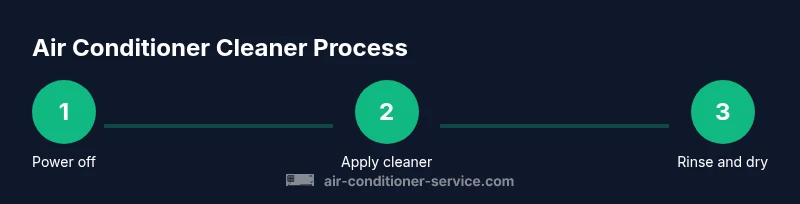
- Power off and unplug the unit; ensure no electrical supply is live.
- Remove panels and access filters; verify clearance around the unit.
- Apply the approved cleaner to exterior coils; dwell per label.
- Gently rinse and dry all surfaces; avoid high-pressure water.
- Clean the drain pan and condensate line; ensure clear discharge.
- Reinstall filters and panels; restore power.
- Run a test cycle; listen for unusual noises and monitor humidity.
- Schedule regular maintenance per manufacturer and Air Conditioner Service guidance.
Final note on best practices
Regular cleaning with an appropriate air conditioner cleaner helps maintain efficient heat transfer, reduce energy use, and extend service life. By adhering to safety guidelines and manufacturer directions, homeowners can execute effective cleanings without professional intervention. The Air Conditioner Service team emphasizes consistency and using approved products for the best outcomes.
Tools & Materials
- Safety goggles(Protect eyes from cleaner splashes)
- Chemical-resistant gloves(Keep skin protected from cleaners)
- Soft-bristle brush(Gentle on fins; avoids damage)
- Microfiber cloths(Wipe surfaces and drain pan)
- Spray bottle for cleaner(Even application on coils)
- Garden hose with adjustable nozzle(Low pressure for rinsing)
- Screwdriver set(For panel removal if needed)
- Air conditioner cleaner (approved)(Follow label dwell time)
- Vacuum with hose attachment(Optional for debris in drain pan)
- Towels or drop cloths(Protect flooring and catch runoff)
Steps
Estimated time: 60-90 minutes
- 1
Power down and disconnect
Turn off power at the thermostat and at the service disconnect for the outdoor unit if accessible. This prevents shock and protects components while you work. Confirm zero energy flow by testing a basic indicator such as a voltage tester if available.
Tip: Document the service location and switch-off points in case you need to re-check later. - 2
Access and inspect filters
Open the air handler or furnace compartment and remove the filter. Inspect for wear, moisture, or mold. Replace if dirty or past its service life according to your system’s manual.
Tip: If the filter is very dirty, clean the surrounding area first to avoid spreading dust. - 3
Apply cleaner to exterior coils
Spray the cleaner on the outdoor condenser coils in a manner that covers all surfaces. Allow the cleaner to dwell for the time specified on the label to break down buildup.
Tip: Do not spray directly on electrical components or fans. - 4
Rinse exterior coils (low pressure)
Rinse the coils with a garden hose on a low-pressure setting to avoid bending fins. Let the coils air-dry briefly while you address interior components.
Tip: Avoid high pressure; it can corrugate or bend delicate fins. - 5
Clean interior components
Wipe accessible evaporator surfaces with a damp microfiber cloth. Clean the drain pan and condensate line to remove standing water and blockages. Brush away visible debris from the blower area.
Tip: Never spray water directly into electrical junctions inside the unit. - 6
Rinse and dry interior surfaces
If the cleaner label permits, rinse interior surfaces with a damp cloth and allow all components to dry completely before reassembly.
Tip: Use a hair dryer on a cool setting to speed up drying if necessary. - 7
Reassemble and replace filter
Reinstall the filter securely and reattach any access panels you removed. Ensure seals are tight to prevent air bypass.
Tip: A loose panel can cause whistling noises and reduce efficiency. - 8
Test run and monitor
Power on the unit and run a cooling cycle. Listen for unusual sounds and check for leaks or odors. Confirm consistent airflow and proper condensation drainage.
Tip: If you hear buzzing or humming that doesn’t align with normal operation, switch off and inspect wiring and electrical connections.
Common Questions
Can I use household cleaners on AC coils?
Household cleaners are not recommended for AC coils. Use an approved air conditioner cleaner designed for coils and follow the label directions to avoid damage to fins or electrical components.
Household cleaners aren’t recommended for coils. Use an approved cleaner and follow the label directions to protect fins and electrical parts.
Should I unplug the unit before cleaning?
Yes. Always unplug the unit or switch off the breaker before starting any cleaning task to prevent electric shock and accidental startup during maintenance.
Yes. Unplug the unit or switch off the breaker before you begin cleaning.
How often should I clean an air conditioner?
Clean at the start of each cooling season and do minor surface cleaning as needed. A deeper cleaning can be scheduled annually or as recommended by the manufacturer or HVAC professional.
Clean at the start of each cooling season, with a deeper cleaning annually or per your manufacturer’s guidance.
Can I rinse cleaners into the condensate line?
Rinse only as recommended by the cleaner’s label. Avoid forcing cleaner deep into drainage pathways and never spray high-pressure water toward electrical components.
Only rinse as directed on the label. Don’t use high-pressure water near electrical parts.
What disposal considerations exist for cleaners?
Dispose of cleaner containers per local regulations and avoid pouring leftover cleaner into storm drains. Use environmentally friendly products when possible and follow local guidelines for waste management.
Dispose of containers as local regulations require and choose eco-friendly cleaners when you can.
Watch Video
The Essentials
- Use a cleaner specifically labeled for air conditioners.
- Safety comes first: power off and protect yourself.
- Clean exterior coils, then interior components with care.
- Check and clear the drain path to prevent mold.
- Establish a regular maintenance schedule.