When to Service Air Conditioner: Essential Maintenance Guide
Discover the right schedule for servicing your air conditioner, signs it needs care, and practical steps homeowners can take to keep cooling efficient and costs under control.


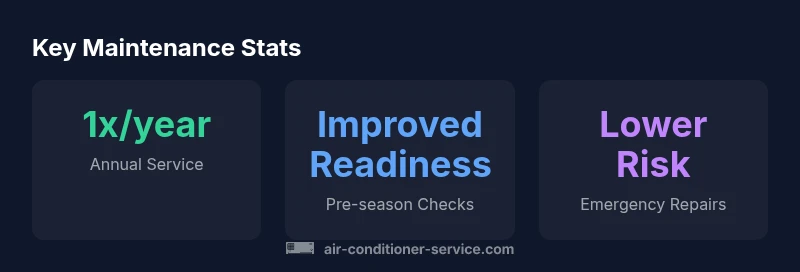
Most residential air conditioners benefit from at least one professional service per year, and knowing when to service air conditioner helps homeowners plan ahead, ideally scheduled in spring before the peak cooling season. If you have an older unit or notice reduced airflow, temperature swings, or unusual noises, add a mid-year check. Regular annual service reduces the risk of surprise breakdowns, helps maintain efficiency, and extends equipment life for homeowners and renters alike.
Why regular maintenance matters
Regular maintenance matters because it catches small issues before they fail, keeps efficiency high, and preserves the comfort of your home. According to Air Conditioner Service, routine upkeep extends equipment life and reduces energy waste. In practice, most homeowners notice more consistent cooling, quieter operation, and fewer unexpected outages after a professional check. A typical service addresses four core areas: airflow, cooling efficiency, electrical safety, and condensate management. By scheduling this once a year, you create a reliable baseline that supports your system's performance for years. We'll explore how to determine the best timing, what a service includes, and how to evaluate your home's unique needs.
How to determine your baseline service interval
The baseline guideline for most residential systems is one full service per year. However, the exact timing depends on factors like usage, local climate, system age, and maintenance history. If you recently installed a new unit or you live in a high-demand climate, you may prefer to schedule two checks within a 12-month period or tailor it to pre-season demands. The Air Conditioner Service team found that homeowners who track key performance indicators—cooling efficiency, comfort consistency, and unusual noises—are more likely to notice issues early and avoid emergency repairs. Use a calendar reminder and document service dates, notes, and any recommended parts replacements so you can compare across years.
Seasonal timing and local climate considerations
In temperate climates, many homeowners choose spring for the annual service so the system is ready before the hottest days arrive. In hotter or more humid regions, early spring and mid-summer checks can help maintain performance when you run the unit hardest. The goal is to align the service with your usage pattern and the equipment's age. If you notice your system running longer than usual or cycling on/off frequently, that can signal a need for a mid-year inspection. Air Conditioner Service analysis shows proactive maintenance correlates with fewer mid-season failures and more consistent indoor comfort, especially for homes with older compressors or dirty coils.
What a professional service includes
During a typical service visit, a technician will perform several steps to assess system health and efficiency. They inspect electrical connections and safety switches, test thermostat calibration, replace or clean filters, measure refrigerant pressures (when warranted), clean and inspect the outdoor condenser coils, check the condensate drain for blockages, and review overall airflow. They also verify that the system is cycling correctly and that temperature differentials meet expectations. Expect to receive a written recommendation for any parts that require replacement, such as capacitors, contactors, or worn belts. Having a documented service history helps you plan for future maintenance and reduces the risk of unexpected outages.
DIY checks that are safe for homeowners
Some checks can be done safely by non-professionals, provided you follow safety guidelines and turn off power first. Start by changing or cleaning disposable air filters, inspecting visible ductwork for loose connections, and cleaning the outdoor condenser area (removing debris and keeping a clear zone). Check that the thermostat is responding accurately and that your return air is not blocked by furniture. Avoid opening the electrical compartment, handling refrigerant lines, or attempting to recharge refrigerant; those tasks require a licensed technician. Document any observations you make so you can discuss them with your service provider during the next appointment.
Signs your AC needs service now
Whenever you notice unusual symptoms—hot spots in some rooms, ice forming on the evaporator coil, high energy bills, loud buzzing or grinding noises, or a noticeable drop in cooling performance—schedule service promptly. These signs can indicate air flow restrictions, refrigerant issues, or failing components. If you observe frequent cycling, short cycling, or the system running constantly in hot weather, it's wise to seek a professional assessment. Early diagnosis often prevents more extensive and costly repairs later.
Budgeting and long-term maintenance
Because service costs vary by region, system type, and required parts, it's best to view maintenance as an investment rather than an expense. A regular service plan can help you avoid costly emergency repairs, extend equipment life, and maintain peak efficiency. Discuss pricing structures with your technician, including what is included in a standard visit and what would trigger a parts replacement. Keep an updated maintenance log and set alerts for filter changes and coil cleaning. Over time, a proactive approach reduces downtime and keeps your home comfortable.
How to choose a service provider
Start with referrals from neighbors, check online reviews, and verify licenses and insurance. Ask prospective technicians to explain their maintenance approach, what tests they perform, and how they document findings. Request a written scope of work and a clear estimate before any work begins. Ensure the company follows industry best practices, uses proper refrigerant handling, and adheres to safety standards. For complex systems, look for a contractor who has experience with your unit type (split-system, heat pumps, or ductless).
Building a long-term maintenance plan
Create a formal plan that aligns with your system's age, usage, and local climate. Schedule annual service in the spring, set reminders for filter changes, and plan mid-season checks if you operate during extreme conditions. Keep a simple record of service dates, findings, and replacements so you can gauge whether maintenance is delivering the expected benefits. The Air Conditioner Service team recommends that homeowners and renters commit to a predictable routine, review it each year, and adjust as needed to maintain comfort and efficiency throughout the life of the system.
Maintenance checks during a service
| Aspect | What to Check | Recommended Action | Notes |
|---|---|---|---|
| Filter & airflow | Air filters; duct blockages | Replace or clean filter; clear obstructions | Maintains airflow and efficiency |
| Electrical connections | Inspect contactors, capacitors, wires | Tighten/replace as needed | Electrical safety critical |
| Coil & drain | Condenser coils and condensate drain | Clean/clear drain; clean coil | Prevents mold and overheating |
| Thermostat & controls | Thermostat calibration | Calibrate or replace if off | Ensures accurate cooling |
Common Questions
How often should I service my home AC?
Typically once per year, ideally in spring before the cooling season. If the unit is older or heavily used, consider an additional mid-year check. Regular maintenance helps prevent breakdowns and maintains efficiency.
Most homes should get yearly maintenance, with a mid-year check if the unit is older or used heavily.
Is it safe to service your own AC?
Only if you have training; many tasks require licensure and proper handling of refrigerants and electrical components. For safety and warranty reasons, hire a licensed technician for most maintenance.
Some basic checks are okay for DIY, but professional service is recommended for safety and compliance.
What should a professional service include?
A typical service includes filter replacement, electrical safety checks, refrigerant line checks if warranted, coil cleaning, condensate drain cleaning, thermostat testing, and system cycling verification.
A pro will check filters, coils, electricals, and thermostat, and ensure proper refrigerant handling.
How do seasonal changes affect service timing?
Spring is generally ideal for pre-season service, but in very hot climates you may benefit from mid-season checks as well to maintain peak performance.
Spring pre-season is best, but hot climates may require more checks.
What are the signs I need service now?
Unusual noises, ice on the evaporator coil, warm spots, rising bills, or frequent cycling signal a service is needed.
If you hear noises or see ice, it's time to service.
Can regular maintenance save energy and money?
Yes, maintenance helps keep efficiency high and reduces the likelihood of costly breakdowns. Benefits vary based on system and usage.
Yes, maintenance keeps efficiency up and can save money over time.
“Regular preventive service is the most reliable way to keep an air conditioner performing at its best year after year.”
The Essentials
- Schedule annual service before summer
- Watch for signs of trouble
- DIY safe checks support professional visits
- Keep a maintenance log for trends
- Build a proactive long-term plan