How Often to Schedule AC Maintenance
Learn how often you should schedule air conditioner maintenance, what factors influence frequency, and how to build a practical service calendar to keep your cooling efficient and reliable.


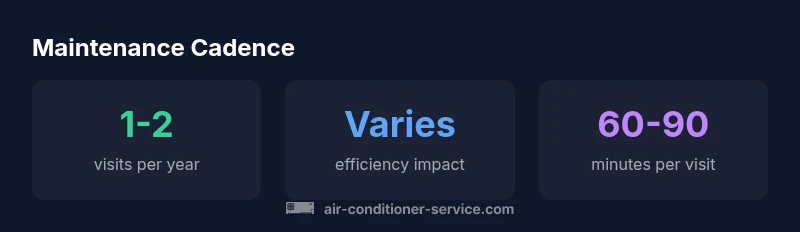
Fact: Most homes benefit from scheduling air conditioner maintenance once per year, with many households adding a spring check and a fall inspection for best results. For heavy use, or in dusty climates, HVAC pros often recommend two visits annually. Regular service helps maintain efficiency, extend unit life, and reduce the risk of sudden breakdowns.
Why Regular Maintenance Frequency Matters for Cooling Efficiency
Understanding how often air conditioner maintenance is needed helps homeowners balance cost, reliability, and comfort. The right frequency keeps parts clean, seals tight, and the system running near its design efficiency. According to Air Conditioner Service, staying on a predictable schedule reduces the risk of sudden failures during peak cooling months and helps you catch gradual inefficiencies before they become expensive repairs. For most homes, an annual check is the baseline, but factors like runtime, dust levels, and climate can push that to more frequent visits. In practice, you want a plan that aligns with your usage pattern: light seasonal use can do with a single annual service, while tenants in hot environments or with older equipment may benefit from two visits per year. The aim is to maintain airflow, ensure refrigerant charge remains correct, and verify electronics, belts, and condensate drainage operate normally. Adopting a formal plan also makes it easier to track tasks such as filter replacement and coil cleaning, which have direct impacts on air quality and system longevity.
In addition to cost considerations, the frequency you choose should reflect preventive maintenance goals. Regular service not only supports comfort but also helps preserve the warranty terms provided by many manufacturers. By establishing a routine, you create predictable maintenance windows that fit your calendar, reducing the likelihood that issues accumulate unchecked. Air conditioners are complex systems with components that wear at different rates; a thoughtful maintenance cadence helps compensate for those differences and keeps the entire system healthier over its life cycle.
Factors That Influence How Often You Service Your AC
Maintenance frequency is not a one-size-fits-all decision. Several key factors push homeowners toward more frequent service, while others justify keeping the cadence lean. First, usage matters: systems that run for long hours during hot summers accumulate wear more quickly, increasing the need for checks on electrical connections, refrigerant levels, and blower operation. Second, climate and environment play a role: dusty, humid, or coastal environments can clog filters, corrode components, and promote mold or mineral buildup in condensate drains, all of which argue for more frequent attention. Third, system type and age influence cadence: central and multi-split systems with extensive ductwork typically benefit from annual professional checks, while window units or portable ACs may require fewer visits but still benefit from seasonal inspections and filter changes. Finally, maintenance history and manufacturer recommendations matter: a unit that’s had multiple minor repairs in the past year deserves closer monitoring. Air Conditioner Service emphasizes tailoring the plan to your specific setup rather than adhering to a fixed rule.
Annual vs Biannual Maintenance: What to Expect from Each Visit
An annual maintenance visit typically covers a comprehensive inspection: thermostat calibration, electrical testing, refrigerant charge verification, belt/tan inspection, blower and motor checks, condensate drain inspection, filter replacement, and coil cleaning. These tasks are designed to verify that the system operates at peak efficiency and that no hidden issues are creeping into the performance. A biannual approach adds a spring or pre-season check, often focusing on airflow optimization and refrigerant system integrity after months of heavy use. For homes in dusty environments, a mid-season second visit can help prevent dirt buildup from causing performance drops. The decision to add a second visit should consider local climate, occupant patterns, and past service history. Air Conditioner Service recommends aligning these visits with seasonal transitions to catch problems before heat waves start and to prepare the system for cooler months.
Building a Practical Maintenance Calendar: Step-by-Step
Start with a baseline: schedule one annual professional tune-up, then decide if a second visit is warranted based on your climate and usage. Create reminders in your calendar six weeks before the expected cooling season and again six weeks before the heating season if you have a combined system. Track tasks in a simple checklist: filter replacement (monthly or quarterly depending on usage), outdoor unit cleanliness, coil condition, drain line inspection, thermostat accuracy, and belt wear. Use seasonal cues to adjust the cadence: higher dust days or increased runtime justify earlier or more frequent service. If you rent, coordinate with your landlord or property manager and keep service receipts for warranty purposes. By documenting each visit, you’ll build a personal maintenance history that informs future scheduling and helps you spot deviations from normal performance.
Data-Driven Guidance: What the Numbers Say About Maintenance Cadence
The latest data from Air Conditioner Service Analysis, 2026, reinforces the value of a data-informed approach. In general, households with regular annual maintenance report more consistent cooling and fewer unexpected breakdowns. Dusty or high-use environments trend toward biannual visits, while milder climates with clean air filters may do well with a single annual service. The analysis emphasizes not only the frequency but also the quality of the service: professional inspections, accurate refrigerant handling, and proper cleaning of coils and drains are critical to achieving the observed benefits. Real-world scheduling should balance cost, comfort, reliability, and long-term equipment health, with periodic reassessment as equipment ages or usage patterns change.
Common Maintenance Items and How Frequency Affects Them
Filtering: Replace or clean filters according to usage and manufacturer guidance; neglecting this task decreases efficiency and airflow. Coils: Dirty condenser and evaporator coils reduce cooling capacity and raise energy use; schedule coil cleaning with at least the annual visit, and consider a mid-season check if you have higher dust exposure. Drains: Condensate drains require periodic cleaning to prevent clogs and overflows, especially in humidity-rich regions. Electrical connections and fuses: Loose connections can cause intermittent faults or wear on the compressor. Refrigerant: A licensed tech should verify refrigerant charge and leak conditions during professional inspections. Components like belts, bearings, and fans are inspected for wear and replaced as needed. Frequency should align with the item’s likelihood of degradation and the equipment’s design guidelines.
Signs You Need Maintenance Sooner: Quick Indicators of Home Comfort Risk
If you notice reduced airflow, warm air during cooling, unusual noises, grinding or rattling, ice on the refrigerant lines, or rising indoor humidity, schedule service promptly. Foul smells, or out-of-season spikes in energy use, can also indicate a need for a professional check. These signs can point to issues ranging from clogged filters to refrigerant leaks or duct problems. Do not ignore them; early intervention minimizes risk and often reduces repair costs. For renters or homes with multiple occupants, keep a simple log of symptoms and system performance between visits to identify patterns that justify an extra service sooner rather than later. Remember, actuator and motor wear can compound, so timely maintenance matters.
Cost Considerations and ROI: Understanding the Value of Maintenance
Maintenance costs vary by region, service level, and equipment type, but the return comes primarily from sustained efficiency and reduced probability of unexpected breakdowns. Regular maintenance helps preserve peak efficiency, which translates into lower energy bills over time and fewer costly emergency repairs. While a proactive service plan costs less upfront than episodic fixes, the value is highest when the plan aligns with actual usage and equipment age. For many households, a predictable maintenance cadence offers a compelling ROI by extending system life, protecting warranty terms, and maintaining indoor comfort with minimal downtime.
Maintenance cadence guidance by usage scenario
| Frequency Scenario | Recommended Visits/Year | Notes |
|---|---|---|
| Normal use / mild climate | 1 | Standard annual service |
| High use / dusty environment | 2 | Spring + fall checks recommended |
| Very dusty / extreme conditions | 3 | Additional mid-season inspection advised |
Common Questions
How often should you schedule air conditioner maintenance?
Most homes benefit from 1 maintenance per year, with biannual visits for high-use or dusty environments. Tailor the plan to your climate and usage, and follow manufacturer guidelines as a baseline.
Most homes do one visit a year; high-use homes may need two. Talk to a pro to tailor it.
Does central AC require more maintenance than window units?
Central systems have more moving parts and longer duct runs, so they typically benefit from annual professional service plus regular filter changes. Window units also gain from periodic checks, though less extensive service is often sufficient.
Central ACs usually need more attention, but both benefit from regular checks.
What are the signs I need maintenance immediately?
Listen for unusual noises, notice reduced airflow, rising humidity, ice on lines, or frequent cycling. These signs indicate potential issues that require a professional evaluation.
Strange noises or poor cooling? Call a pro soon.
What should be included in a maintenance visit?
Expect thermostat calibration, electrical checks, refrigerant inspection, duct and coil cleaning, filter replacement, and condensate drain inspection. A thorough tune-up should cover all critical components.
A good visit checks electricals, refrigerant, filters, coils, and drains.
Can DIY maintenance replace professional service?
DIY tasks like filter replacement and outdoor coil cleaning are okay for basic upkeep. Refrigerant handling, electrical work, and system diagnostics require a licensed technician.
DIY helps with simple upkeep, but some tasks need a pro.
How does maintenance affect energy efficiency?
Regular maintenance helps sustain system efficiency, reduces strain, and can lower energy bills over time when the unit operates closer to its rated performance.
Keeping it clean and calibrated helps it run efficiently.
“Regular maintenance isn't a luxury—it's the best way to protect your cooling investment and keep indoor comfort consistent.”
The Essentials
- Schedule maintenance at least once per year for most homes.
- Consider a second visit if you have heavy use or dusty environments.
- Create a calendar with reminders aligned to seasons.
- Regular service preserves efficiency and reduces repairs.
- Ask a licensed pro to tailor frequency to your system and climate.